






Handwoven Persian Floor Runner
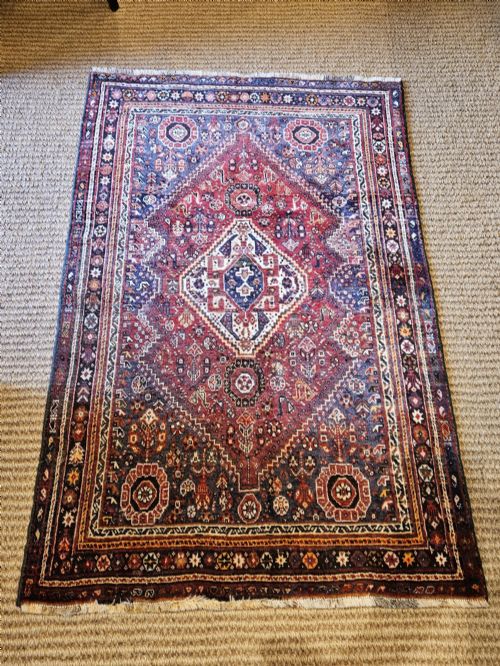
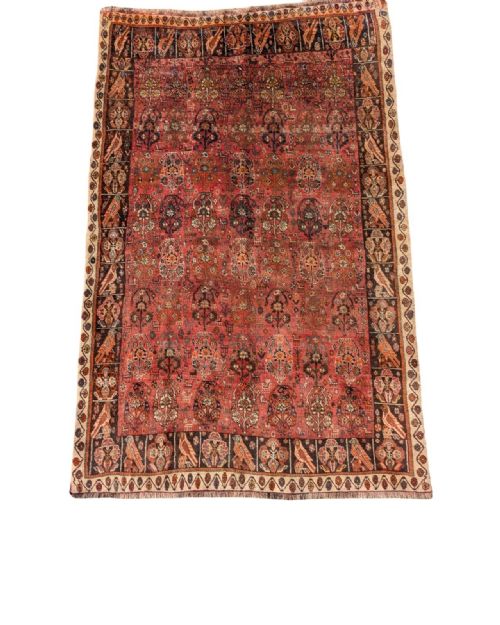
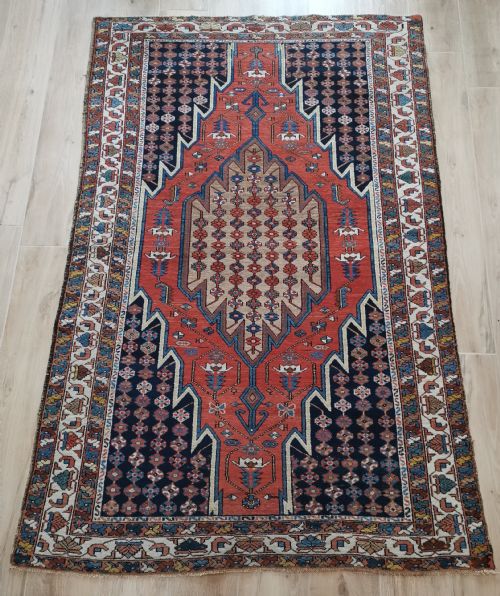
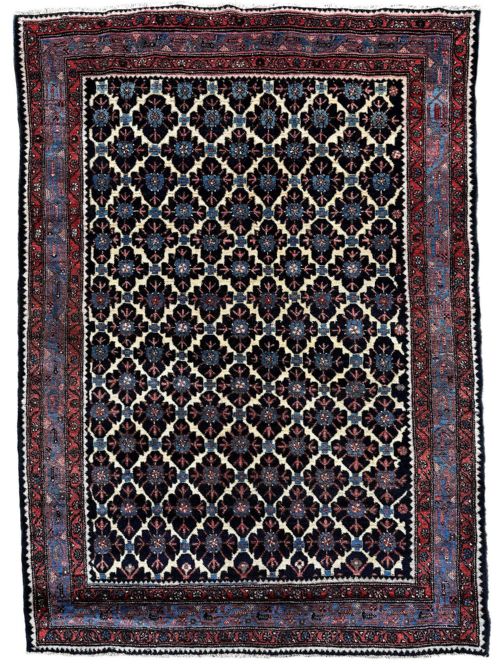
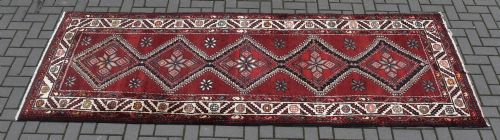
A handwoven persian floor runner brings centuries of nomadic and village weaving traditions directly into hallways and corridors.
Handwoven Persian Floor Runner
How they were made
Weavers constructed these textiles using hand-spun wool for the pile, combined with cotton foundations for structural stability in the warp and weft. Goat hair occasionally appears in the outer bindings or selvedges for added durability along the edges.
The colouring relies upon natural dyes applied to hand-spun wool yarn, creating rich tones that mellow over decades of exposure and use. Artisans knotted the wool by hand onto upright looms, following traditional tribal designs passed down through generations.
Several vintage runners manage to be remarkably long while remaining narrow enough to fit cramped Victorian hallway proportions.
What varies in quality
The finesse of the knotting and the complexity of the design define the distinction between standard village production and finer workshop pieces. Denser knot counts allow for sharper geometric or floral definition within the field and borders.
The depth and brilliance of the natural dyes significantly influence the visual impact of the textile. Subtle variations in wool preparation and spinning create a lively surface texture that distinguishes superior examples.
The Handwoven Persian Floor Runner Glossary
- Warp
- The stationary vertical threads stretched onto the loom that form the foundational skeleton of the rug.
- Weft
- The horizontal threads passed through the warp threads after each row of knots to bind the structure securely.
- Selvedge
- The reinforced side edges of a rug, often wrapped in wool or goat hair to prevent fraying.
- Pile
- The vertical surface of cut wool yarn that forms the soft nap of the finished textile.
- Natural Dyes
- Colorants derived from plants, insects, and minerals used traditionally before synthetic alternatives became widespread.
Handwoven Persian Floor Runner: Frequently Asked Questions
Where should I place a long runner?
These elongated textiles suit narrow architectural spaces such as corridors, hallways, and gallery landings.
Their dimensions protect high-traffic wooden floors while adding pattern and warmth to transitional areas.
How do I identify a tribal design?
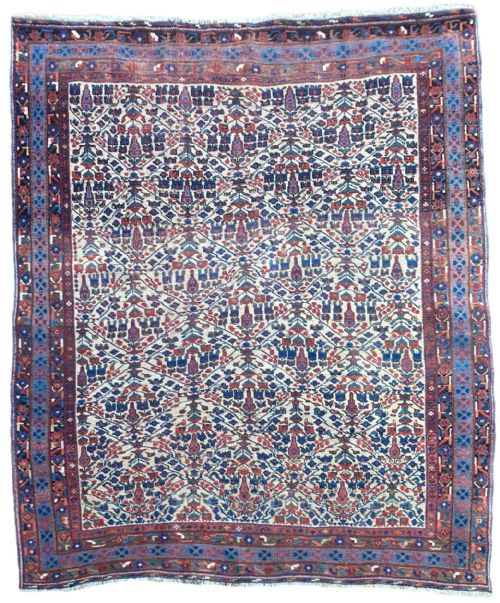
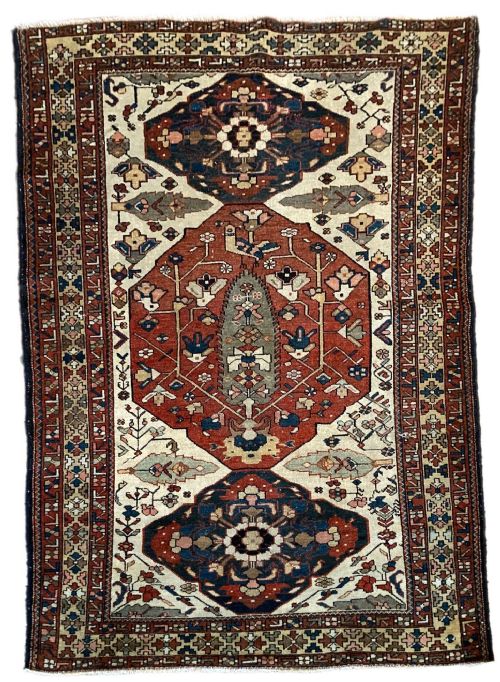
Tribal designs typically feature geometric medallions, stylized animals, and asymmetrical botanical motifs.
Unlike formal city workshop carpets, these patterns reflect the independent creativity of nomadic weavers.
What materials make up these rugs?
Traditional construction utilises hand-spun wool for the soft upper pile combined with cotton foundations.
Goat hair also appears occasionally along the outer edge bindings for increased structural resilience.
How do natural dyes age?
Vegetable and mineral colorants undergo a gradual softening process when exposed to light and daily friction.
This mellowing creates subtle tonal shifts across the surface known as abrash, enhancing visual depth.