


Handwoven Floral Rug
A handwoven floral rug brings warmth and pattern to a floor through traditional knotted or flatwoven textiles.
Handwoven Floral Rug
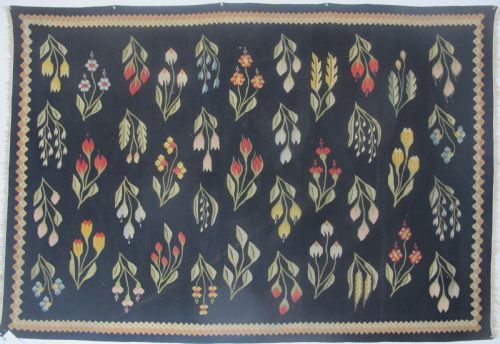
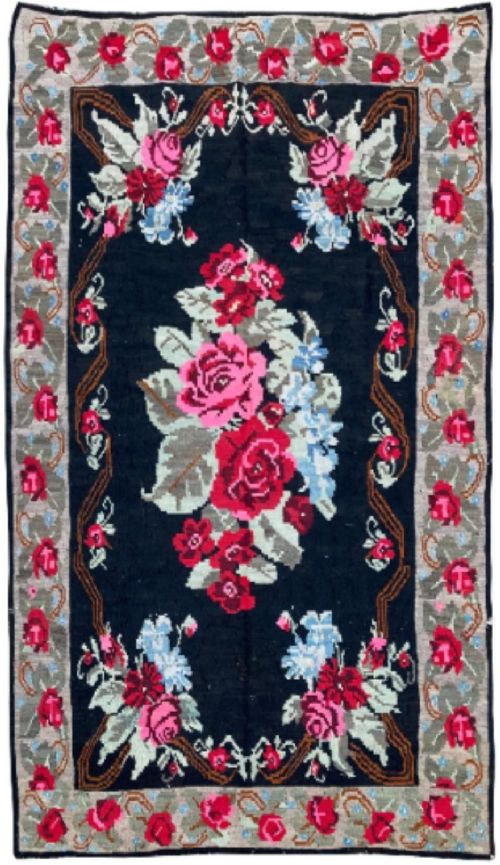
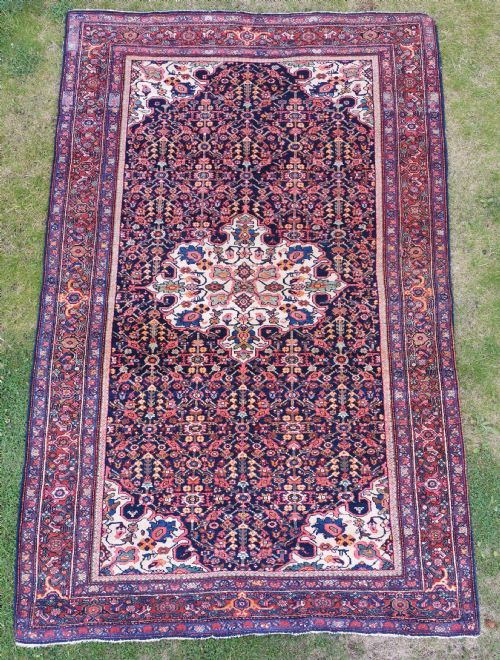
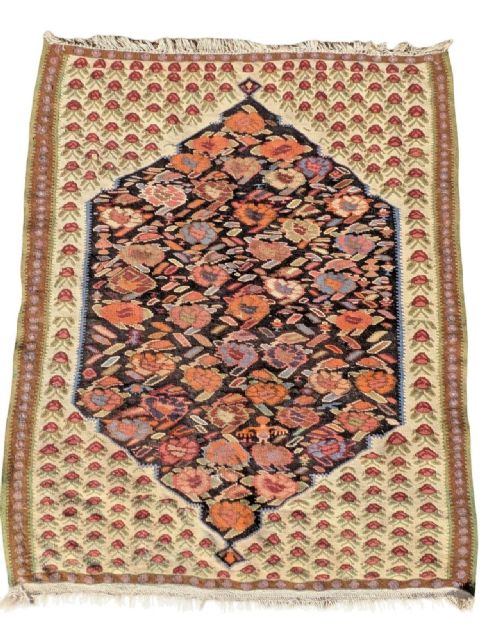
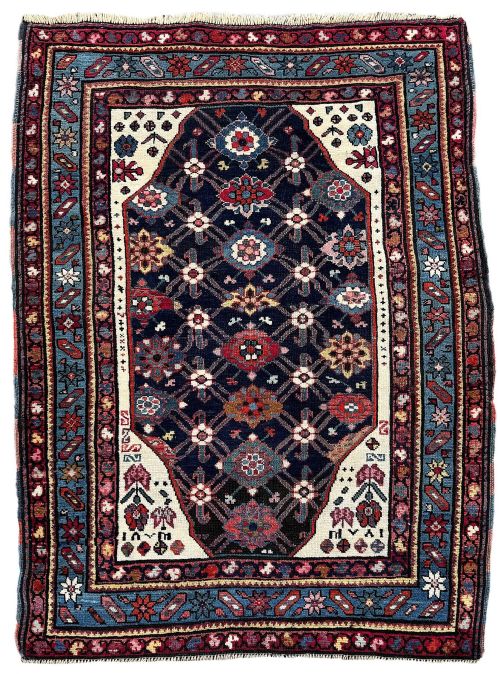
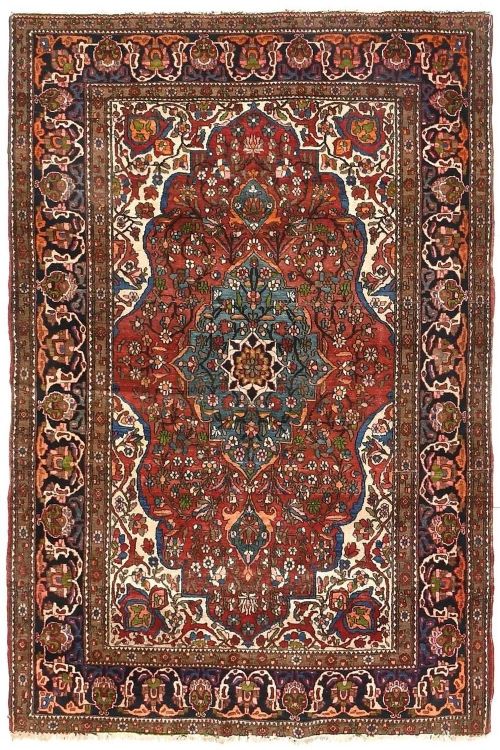
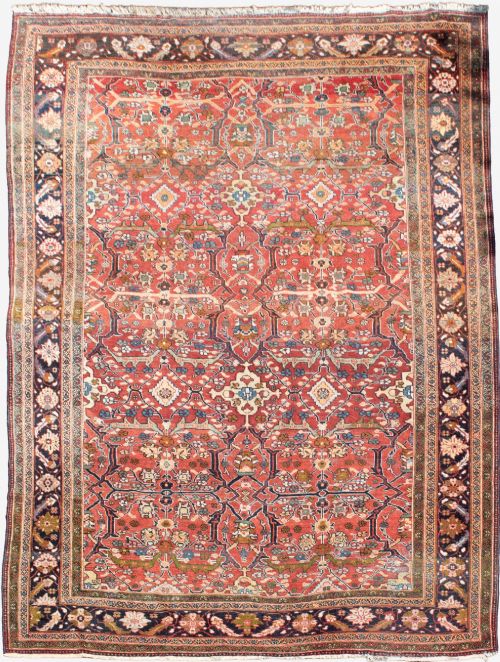
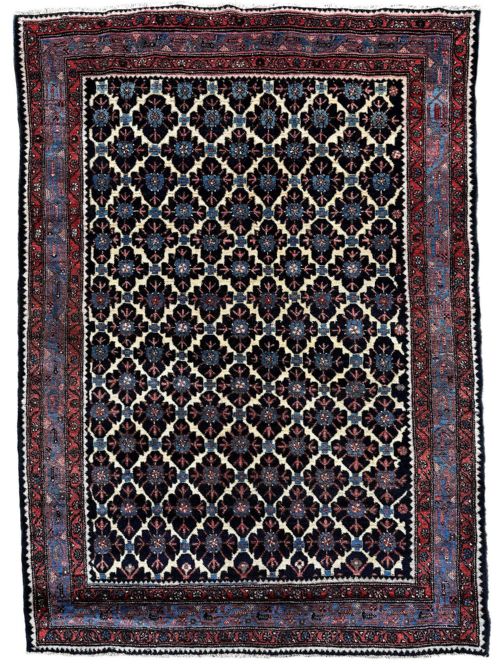
A buyer searching for a handwoven floral rug encounters a wide variety of historical Persian, Caucasian, and Eastern European pieces. These textiles range from room-sized carpets down to smaller area rugs, prayer rugs, kilims, and tapestries produced across the nineteenth and twentieth centuries.
Regional workshops and nomadic groups created distinct aesthetic traditions, visible in pieces originating from locations such as Hamadan, Mahal, Bidjar, and Bessarabia. Buyers frequently meet traditional floral motifs rendered in diverse regional palettes on wool, cotton, and silk foundations.
Materials and construction
Weavers constructed these textiles primarily using wool, cotton, and occasionally silk or linen, working on upright or horizontal looms. Artisans employed hand-knotting and flatweaving techniques to build durable structures capable of handling generations of domestic use.
Natural and early aniline dyes provided the deep reds, blues, and earth tones seen across Persian and European examples. Artisans combined these dyed fibres with canvas and leather reinforcements on specific functional forms like saddle covers.
A solitary Tibetan saddle cover reminds us that even high-altitude equestrians appreciated a comfortable, floral-accented ride.
Assessing quality
Knot density, structural tightness, and the crispness of the floral design separate standard utility carpets from finer workshop productions. Tighter foundations and precise pile control ensure the longevity of intricate medallions and border patterns.
The sophistication of the dye palette and the purity of the wool influence the visual depth of a piece. Well-preserved flatweaves and carpets retain structural integrity and clear chromatic contrast across their fields.
The Handwoven Floral Rug Glossary
- Kilim
- A flatwoven textile produced without a pile, often featuring geometric and floral motifs. These pieces are lightweight and versatile for floor placement.
- Prayer rug
- A small format textile featuring a niche or mihrab design intended for devotional use. Weavers often incorporated central floral vases and symmetrical gardens into these compositions.
- Medallion
- A central ornamental motif placed in the middle of the rug field. This design element organises the surrounding floral sprays and geometric borders.
- Tapisserie
- A woven textile intended for wall hanging or floor placement, utilising supplementary weft techniques to build pictorial scenes. These differ from standard knotted pile carpets in their flat structure.
- Prayer niche
- The arched architectural element depicted on specific rugs, guiding the directional focus of the design. It is frequently filled with floral arrangements or lamps.
Handwoven Floral Rug: Frequently Asked Questions
How do I clean a handwoven rug?
Professional dusting and specialist low-moisture washing preserve the wool fibres and natural dyes of older textiles. Regular gentle vacuuming without a beater bar prevents dust accumulation in the pile.
Avoid harsh chemical treatments or soaking, which can weaken cotton warps and cause dye bleeding. Specialist conservation safeguards the structural integrity of historical weaves.
Can I use these rugs in high traffic areas?
Durable wool pile carpets from centres like Heriz or Mahal handle everyday domestic walking well. Placing a quality underlay beneath the textile prevents slipping and reduces fibre friction.
Fine silk pieces and delicate flatweaves suit low-traffic rooms or wall display rather than busy hallways. Assessing the pile density and foundation strength guides placement decisions.
How do I date an antique rug?
Structural analysis of the knot type, edge finish, and fringe construction provides clues to the origin and age of a textile. Natural dye palettes and regional weaving traits align with specific production decades.
Comparing design motifs with documented examples from nineteenth and early twentieth century workshops helps narrow the timeframe. Subtle irregularities often indicate hand-production before mass-standardisation.
What is the difference between a carpet and a rug?
Carpets generally refer to larger floor coverings designed to anchor an entire room scheme. Rugs encompass smaller formats, including area rugs, runners, and localized prayer pieces.
Both terms describe handwoven textiles sharing similar material foundations and knotting techniques. Scale and intended room placement remain the primary distinctions.