

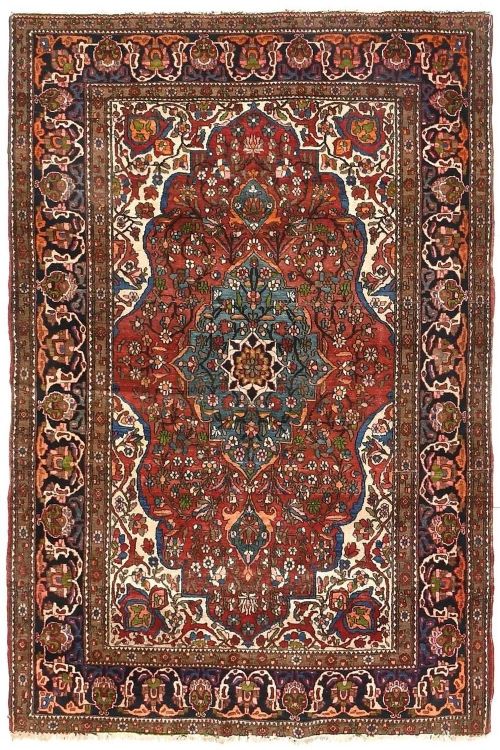
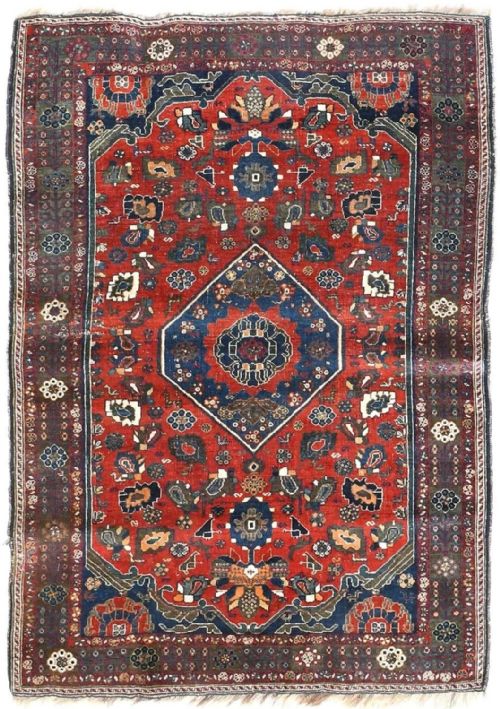
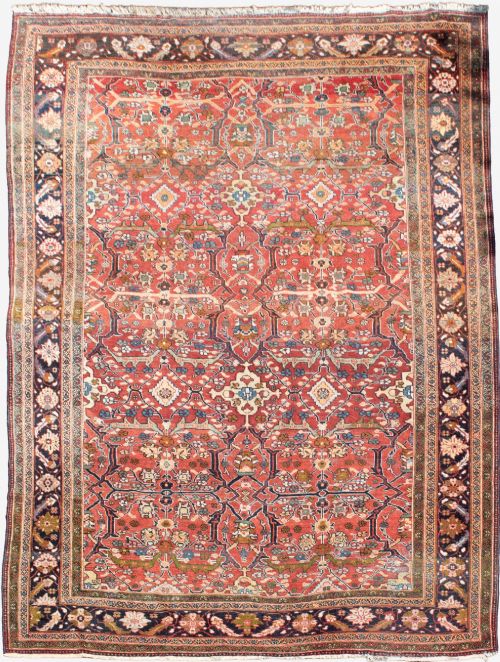
Handwoven Floor Rug
A handwoven floor rug brings tactile warmth and enduring regional pattern to a room through centuries-old textile traditions.
Handwoven Floor Rug
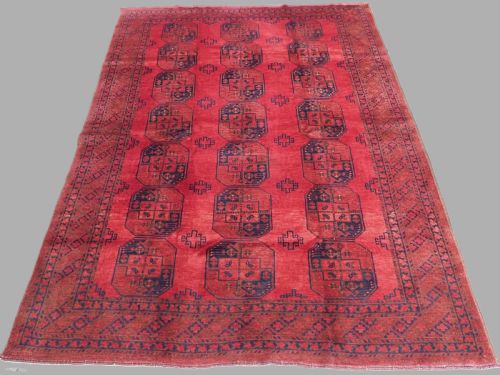
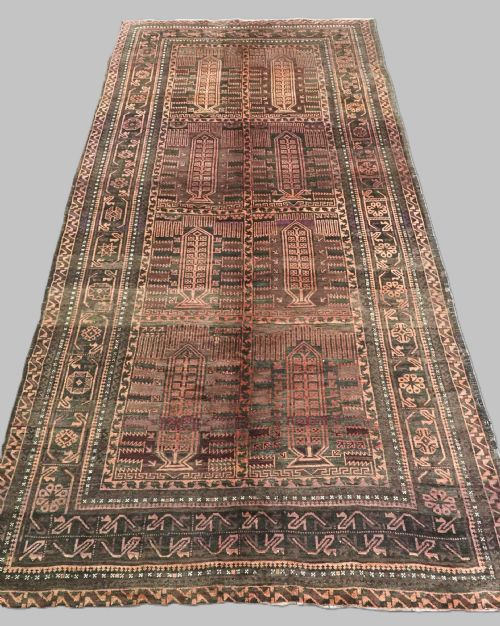
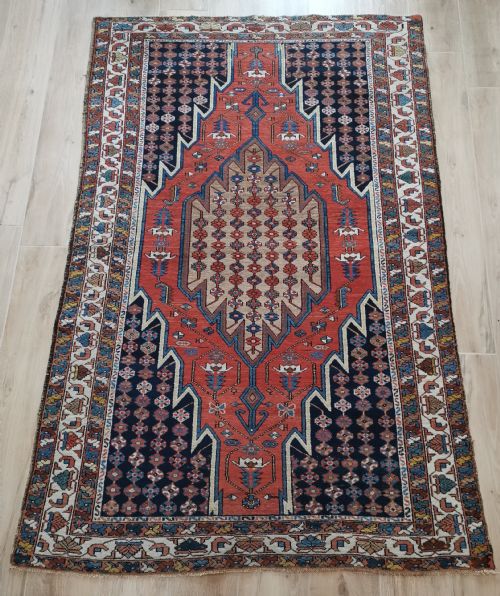
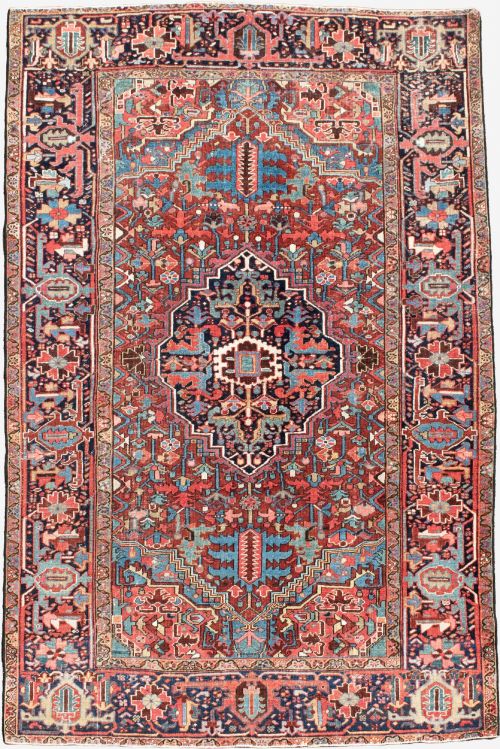
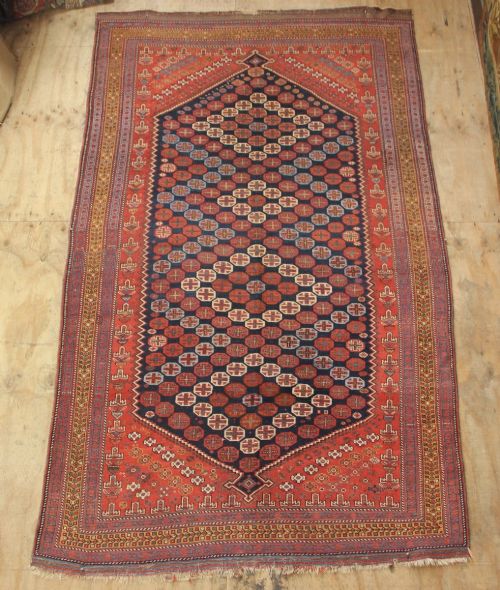
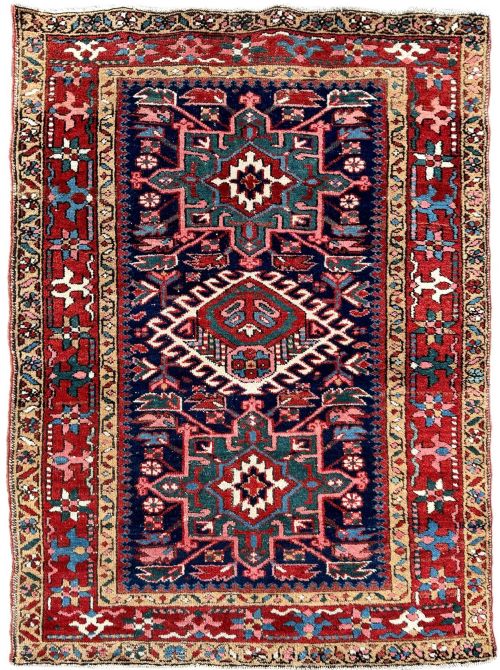
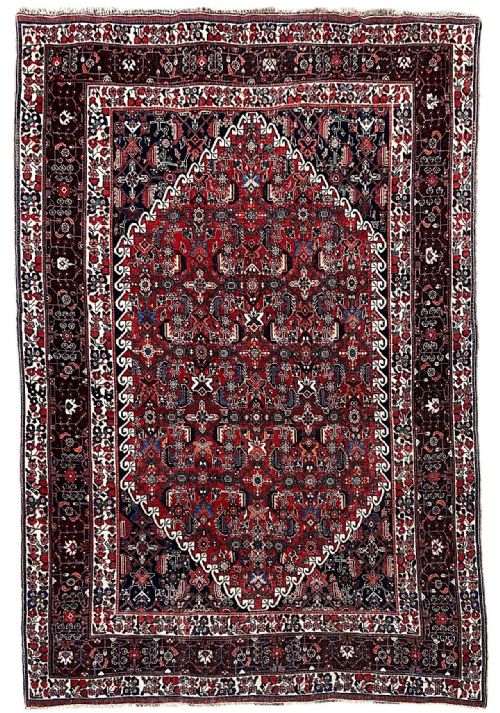
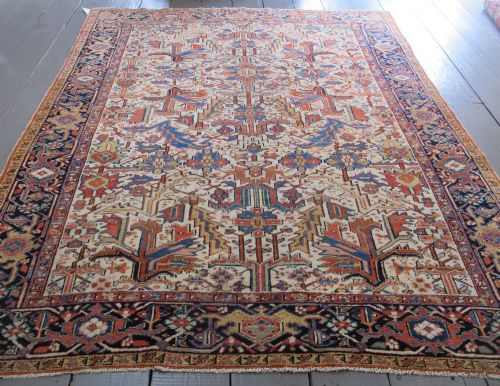
A handwoven floor rug selected from this search brings authentic regional craftsmanship and tangible history into a domestic interior. These textiles originate primarily from Persian and tribal workshops, spanning the late nineteenth century through the mid-twentieth century.
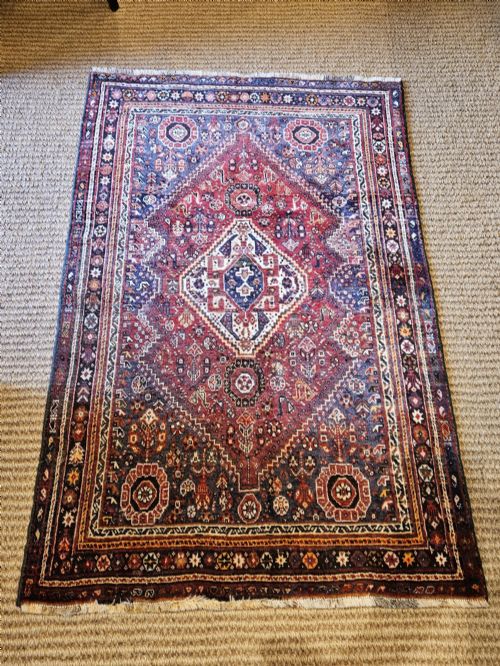
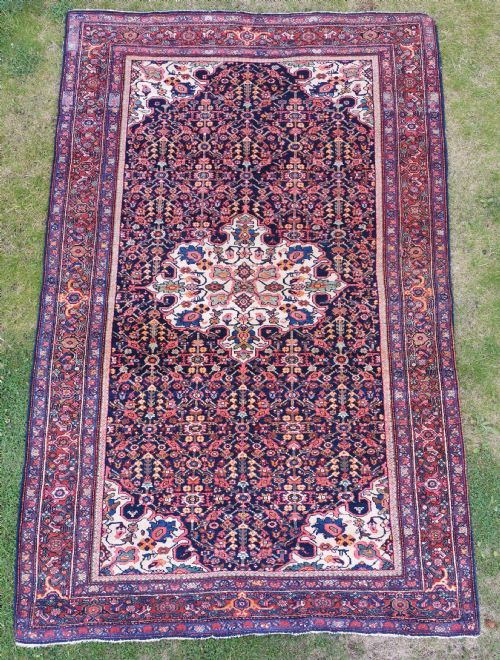
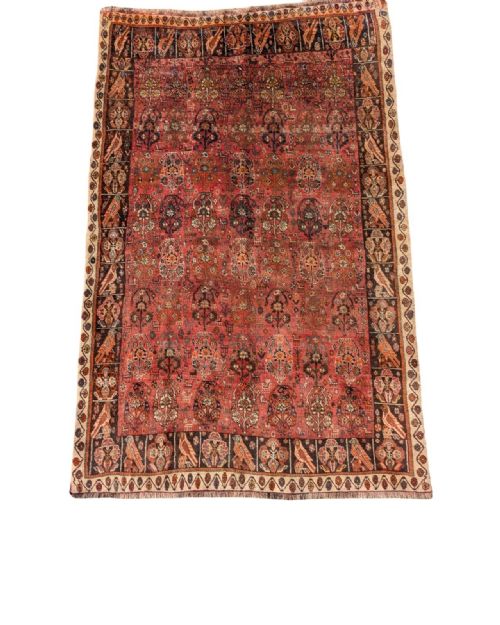
Buyers encounter a diverse range of forms including large room-size carpets, smaller scatter rugs, narrow runners, and specific regional variations like Heriz, Afshar, and Hamadan weaves. Each piece reflects the distinct aesthetic vocabulary of the village or tribal group that produced it.
How They Were Made
The foundation of these textiles relies principally on natural materials such as wool, hand-spun wool, cotton, and occasionally silk. Artisans knotted or wove these fibres entirely by hand, building dense and resilient structures designed to withstand decades of daily use.
Dyes derived from natural sources provide the characteristic rich palettes seen across the pieces, ranging from warm reds and rusts to deep indigos and ivory grounds. The resulting surfaces display subtle tonal variations inherent to traditional hand-dyeing methods.
Listings span multiple decades from the late nineteenth century through to the 1940s, predominantly featuring wool and hand-spun wool.
What Varies in Quality
Knot density and structural integrity distinguish individual examples, determining how crisply the geometric or floral motifs resolve across the surface. Finer wool preparation and tighter knotting yield a heavier, more resilient handle that responds well to foot traffic.
The artistic cohesion of the design and the depth of the colour palette also separate standard village weaving from exceptional masterworks. Well-balanced proportions and harmonious secondary tones elevate a piece beyond a simple utility floor covering.
Saroq workshop·Kashan manufactory·Ishfahan weavers
The Handwoven Floor Rug Glossary
- Knot
- The individual loops of wool or silk tied around the warp threads that form the pile of a carpet. Higher knot counts often allow for more intricate pictorial and geometric detail.
- Warp
- The vertical threads stretched lengthwise on the loom that form the structural skeleton of the rug. The exposed fringe at either end of a finished piece typically consists of these tension threads.
- Weft
- The horizontal threads passed alternately over and under the warp threads to bind the knots in place. Together with the warp, they create the firm grid of the foundation.
- Pile
- The upright cut or loop fibres that form the soft upper surface of the carpet. Its height and density dictate the tactile feel underfoot.
- Prayer rug
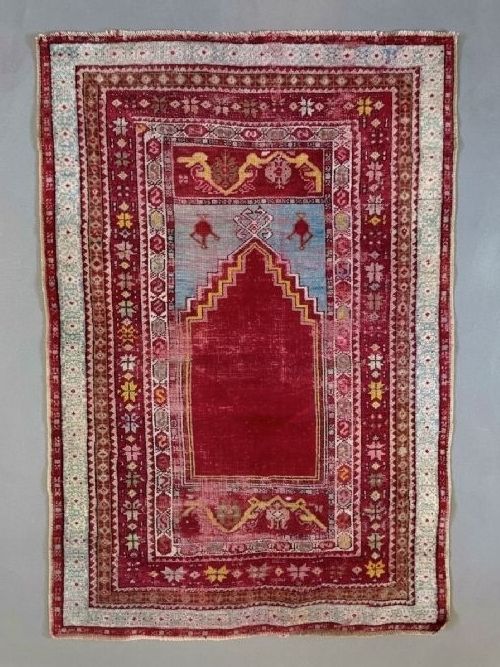
- A specialised format featuring a distinct niche or mihrab design at one end, traditionally used to indicate the direction of prayer.
Handwoven Floor Rug: Frequently Asked Questions
How do I clean an antique rug?
Gentle vacuuming without a rotating brush attachment removes loose surface grit without straining the delicate wool pile.
Professional specialist washing remains essential for deep cleaning to protect natural dyes and fragile historical foundations.
Can these rugs handle heavy foot traffic?
Densely knotted wool construction provides remarkable durability, allowing many traditional village carpets to withstand everyday hallway and living room use.
Utilising a quality underlay prevents unnecessary slipping and cushions the fibres against premature friction wear.
How do I identify a tribal design?
Tribal designs typically exhibit geometric motifs, stylised animals, and memory-driven patterns rather than strict cartographic symmetry.
These patterns reflect the nomadic heritage and regional storytelling traditions of weavers working outside formal city workshops.
Why do colours vary across the surface?
Hand-spun wool absorbs natural dyestuffs unevenly, creating subtle tonal shifts known as abrash across the field of the rug.
This natural variance demonstrates the traditional dyeing process and adds visual depth to the finished textile.