



Decorative Area Carpet
A decorative area carpet anchors a room with traditional Persian, Ottoman, or tribal patterns woven from wool and cotton.
Decorative Area Carpet
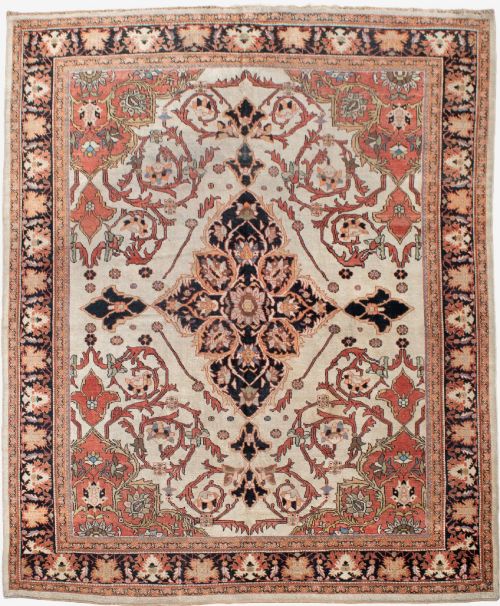
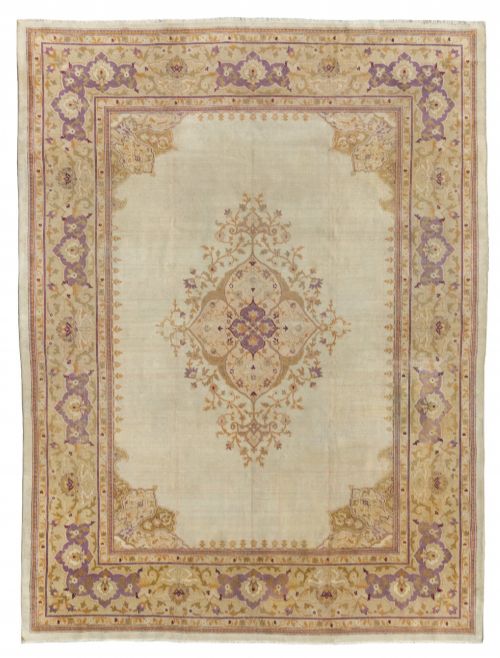
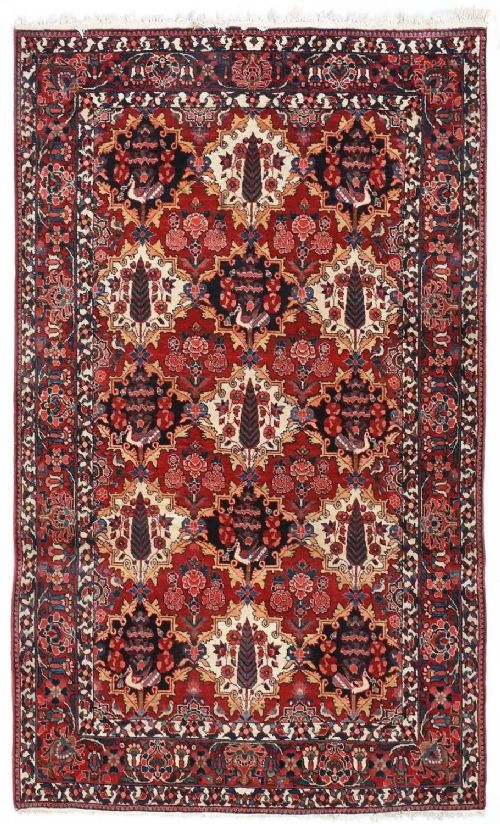
A decorative area carpet brings significant scale and historical design to a floor, spanning large room sizes down to smaller formats. When searching for a decorative area carpet, buyers most frequently encounter pieces originating from the nineteenth and early twentieth centuries.
The selection includes specific regional styles such as Heriz, Mahal, Ushak, and Bakhtiari. These floor coverings range from expansive chamber carpets to smaller prayer rugs and kilims.
Origins extend across Persia, Turkey, India, and Eastern Europe. Buyers will find variations from grand room-size carpets down to tribal fragments and kelim rugs.
How they were made
Makers utilised wool, hand-spun wool, and cotton foundations to construct these floor coverings. The choice of material dictates the weight and handle of each individual piece.
Weavers employed traditional knotting and flat-weave techniques to build durable surfaces. These methods allowed for intricate floral designs, medallion layouts, and geometric banded patterns.
Tree of life designs on these carpets let you walk through an entire forest without ever leaving the drawing room.
What varies in quality
The density and fineness of the weave separate standard room pieces from exceptionally detailed examples. Tighter knot counts allow for sharper delineation of intricate floral and geometric motifs.
The handling of natural dyes and wool quality dictates the depth of colour across the surface. Superior examples retain rich, harmonious tones that respond well to age and wear.
The Decorative Area Carpet Glossary
- Kilim
- A flat-woven rug or carpet produced without a pile. These pieces rely on interlocking weft threads to create sharp geometric patterns.
- Prayer rug
- A smaller format carpet featuring a mihrab design, traditionally used for individual devotion. These rugs often display central arches or niche motifs.
- Kelleh
- A long, rectangular format carpet traditionally used in Persian domestic interiors. This shape sits between a standard runner and a full room-size carpet.
- Fragment
- A surviving portion of a larger historical carpet. These pieces preserve historical weaving techniques and design elements from damaged or broken textiles.
- Foundation
- The underlying structure of warp and weft threads that supports the pile. Cotton and wool are typical materials used for this internal grid.
Decorative Area Carpet: Frequently Asked Questions
Where should I place a decorative area carpet?
These floor coverings suit principal reception rooms, studies, and bedrooms where traditional scale matters. Large formats ground seating arrangements effectively.
Smaller formats such as prayer rugs or kilims work well in hallways or as accent pieces beneath occasional furniture.
How do I care for an antique wool carpet?
Regular gentle vacuuming without a beater bar removes surface grit from the wool pile. Professional cleaning is advisable for periodic maintenance.
Keep these textiles away from direct sunlight to protect the natural dyes from fading over time.
How do I distinguish between Heriz and Mahal carpets?
Heriz carpets typically present bolder, more geometric medallion designs with crisp structural lines. The wool is often robust and hard-wearing.
Mahal carpets generally lean towards softer, more curvilinear floral motifs with open fields and muted, blended palettes.
What is the difference between a rug and a carpet?
Carpets generally refer to larger floor coverings designed to occupy a significant portion of a room. They provide extensive room-size coverage.
Rugs cover smaller areas of floor space or specific zones within a larger interior scheme.