



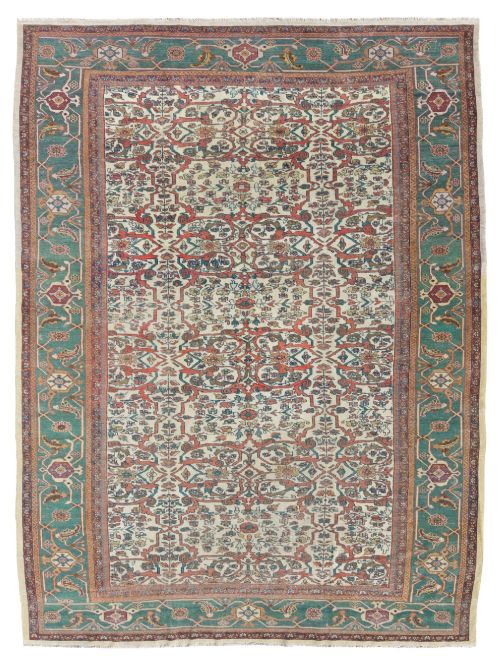
Hand Woven Floor Rug
A hand woven floor rug brings texture and history to a room, offering durability and artistry through traditional techniques.
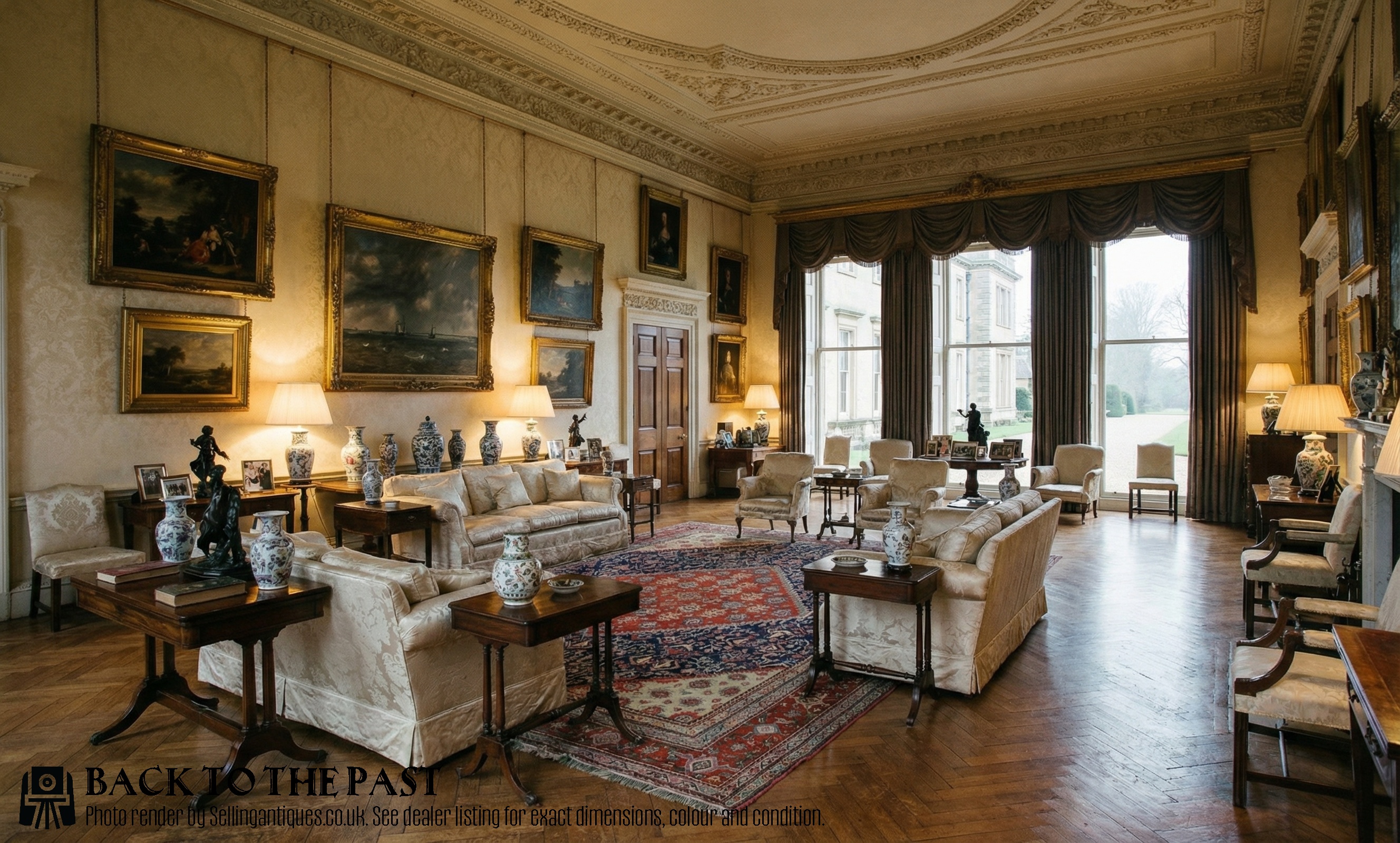
Hand Woven Floor Rug
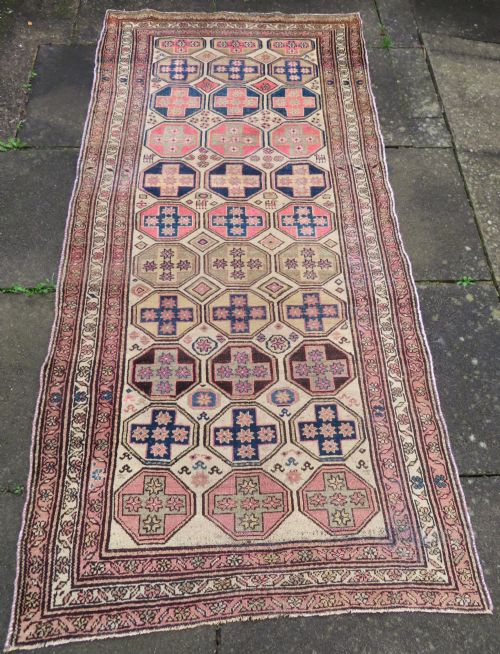
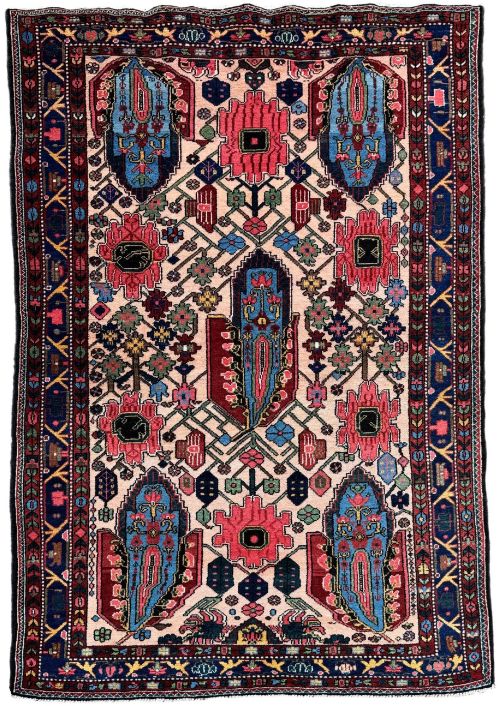
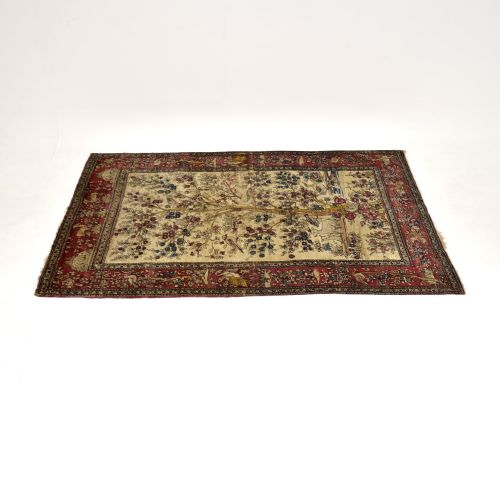
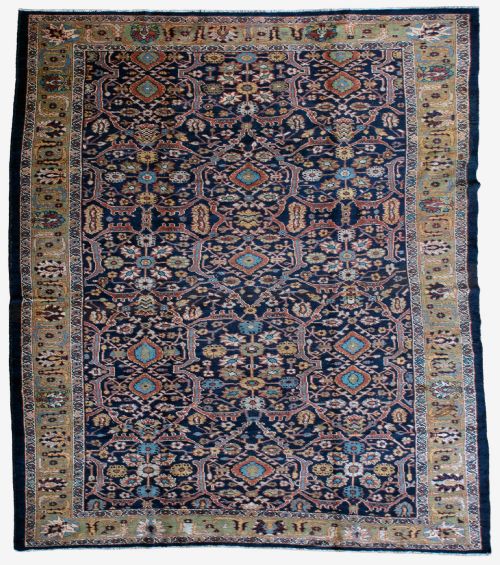
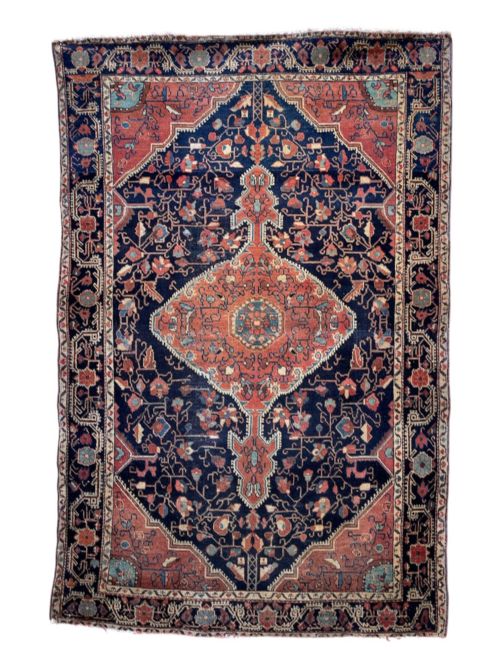
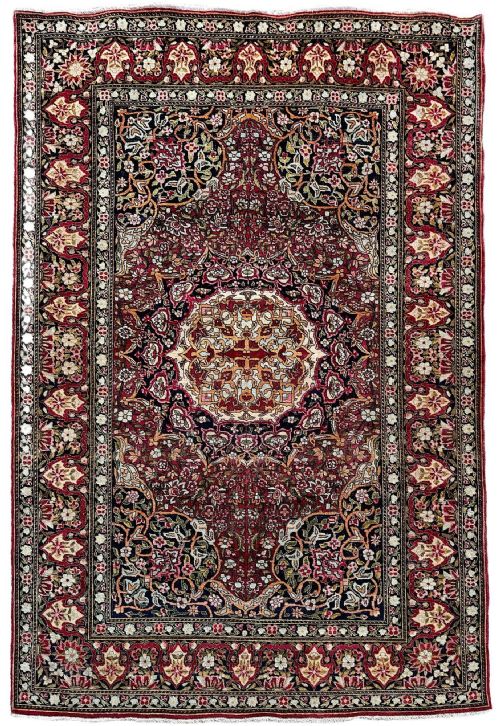
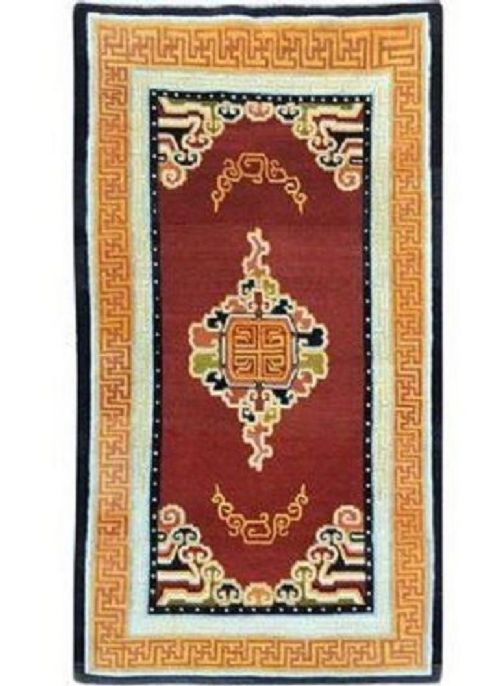
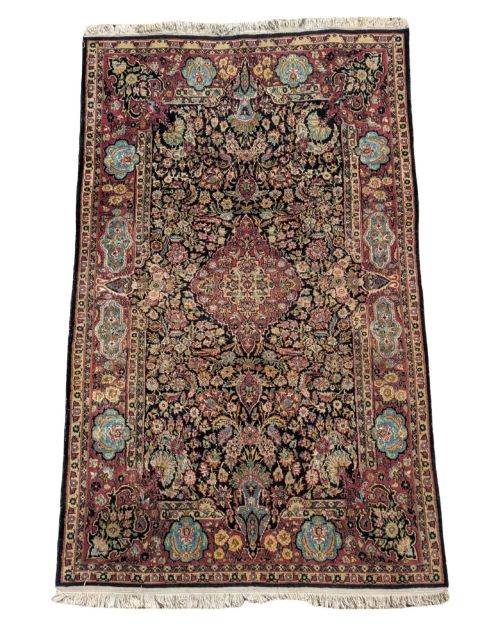
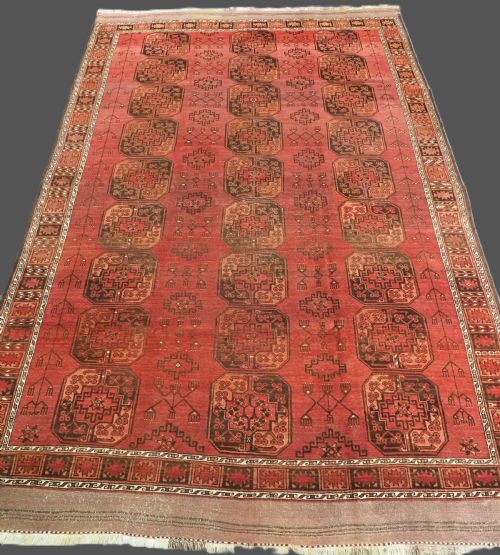
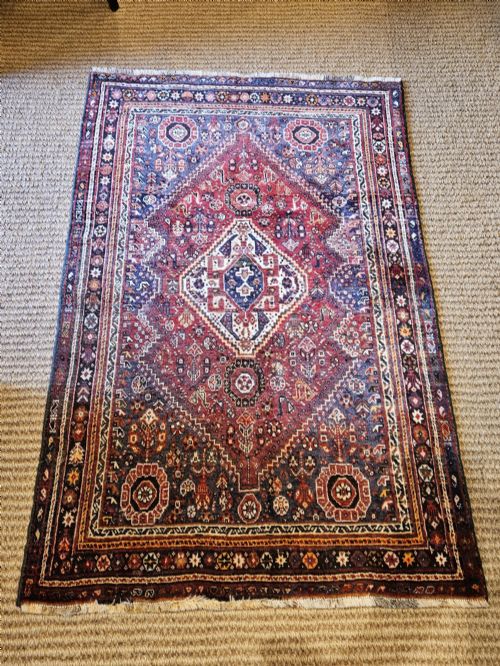
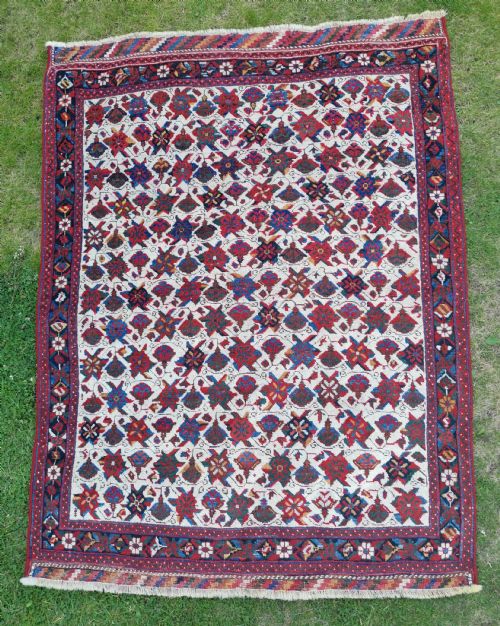
When you search for a hand woven floor rug, you encounter floor coverings originating from Persia, the Caucasus, and Tibet, dating from the nineteenth century into the 1930s. These pieces include smaller area rugs, hallway runners, and large carpets designed for domestic settings.
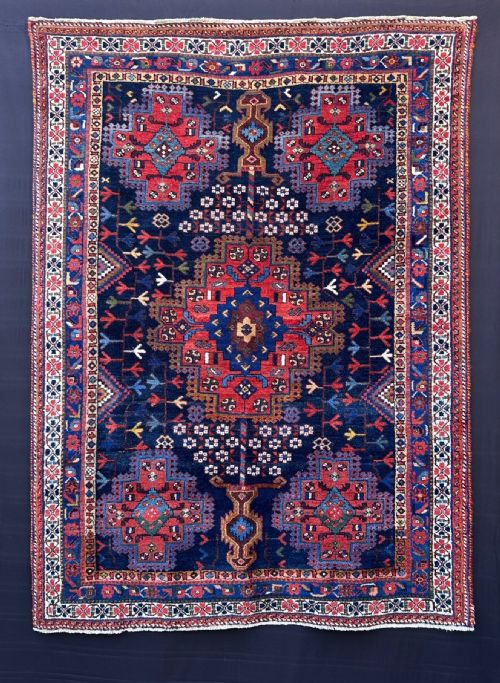
The most common examples on this page are Persian tribal and village rugs, alongside Caucasian and Turkmen pieces. They reflect regional weaving traditions passed down through generations.
Makers utilised traditional formats, ranging from compact mats to oversized carpets suitable for country houses and reception rooms.
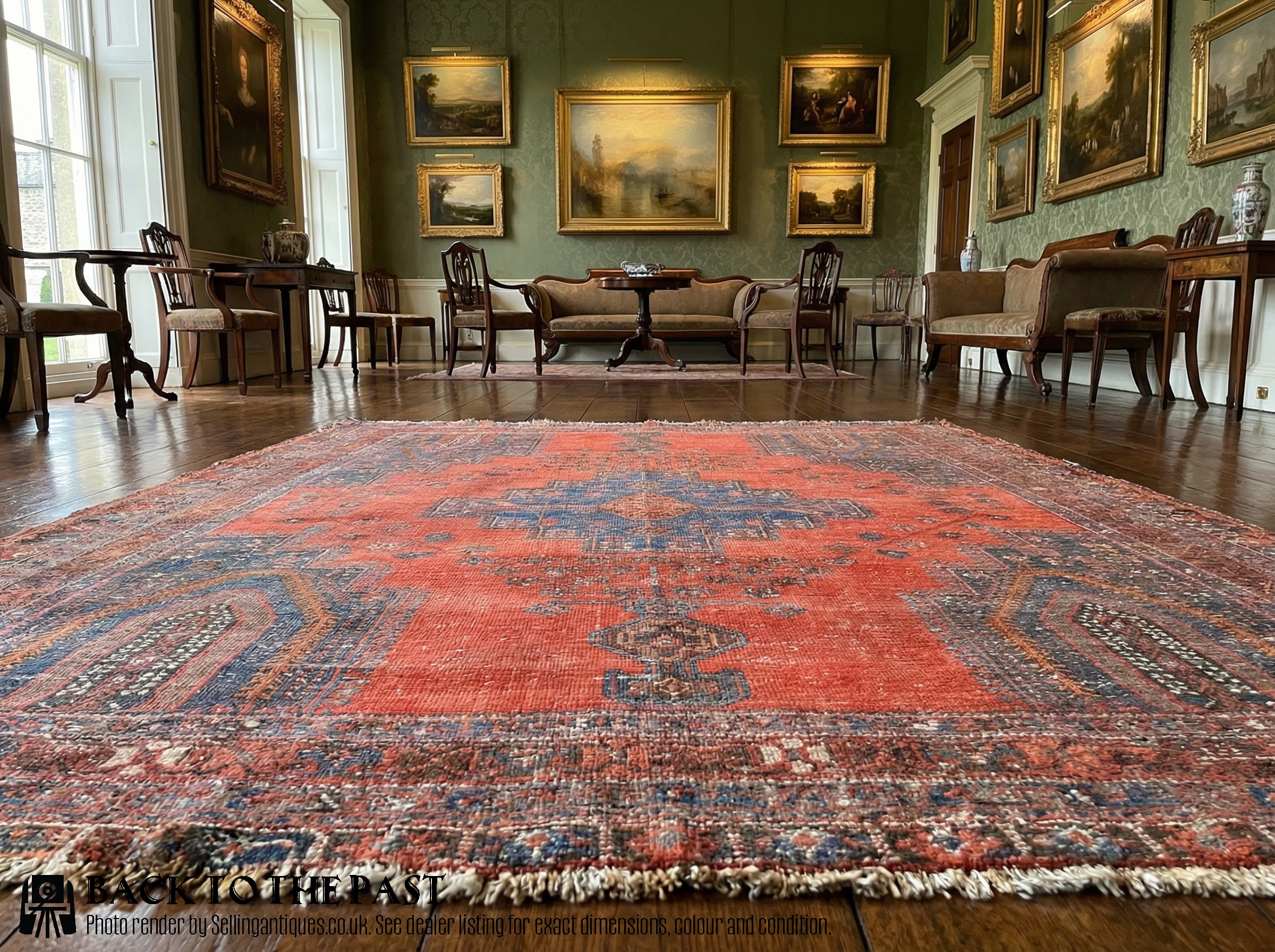
How they were made
Weavers constructed these textiles predominantly using wool, cotton, and occasionally silk, building pile or flat-woven surfaces on upright looms. Natural yarns were spun by hand before dyeing, yielding rich tones derived from local plants and minerals.
Foundation warps and wefts of cotton or wool support the dense pile, secured with hand-knotted techniques that determine the resilience and flexibility of each rug. Certain pieces incorporate silk highlights to accentuate specific motifs within the design.
Hand Woven Floor Rug Retail Price Guide 2026
Typical asking prices for hand woven floor rug among the pieces listed under this phrase on Sellingantiques today, from the lower quarter to the upper quarter. They describe what is for sale here now, not the wider market.
The listings span from the mid-nineteenth century through the 1930s, featuring wool, cotton, and silk textiles.
What varies in quality
Knot density and the precision of the geometric or floral design differentiate examples across the range. Finer weaving allows for intricate drawing in medallions and borders, while coarser village rugs display bolder, more simplified patterns.
The integrity of the foundation materials and the evenly retained pile dictate the longevity of the textile. Uniformity in dye saturation and the complexity of the regional palette mark out superior workshop and tribal productions.
The Hand Woven Floor Rug Glossary
- Pile
- The cut or uncut loops of yarn that form the upper surface of a rug. This layer provides cushioning and absorbs wear.
- Warp
- The vertical foundation threads stretched lengthwise on the loom. Weft threads are interlaced across them to stabilise the structure.
- Medallion
- A central ornamental motif dominating the field of the rug. It often reflects classical Persian design geometry.
- Runner
- A long, narrow carpet format designed for hallways or staircases. These pieces accommodate linear spaces.
- Knot
- The individual loops of yarn tied around warp threads to create the pile. Higher counts generally indicate greater labour investment.
Hand Woven Floor Rug: Frequently Asked Questions
How do I identify a tribal rug?
Tribal rugs display geometric motifs, memory-based designs, and less rigid symmetry than city workshop carpets. They often use bold colour combinations typical of nomadic weavers.
Look for expressive irregularities in the borders and fields, which indicate hand production without formal cartoon guides.
Where were these rugs made?
These textiles originate primarily from regions across Persia, the Caucasus, Turkmenistan, and Tibet. Each area developed distinct colour palettes and symbolic motifs.
Village workshops and nomadic confederacies produced most of the surviving examples found in nineteenth and early twentieth-century homes.
What materials did weavers use?
Traditional floor coverings rely on sheep's wool for the durable pile, supported by cotton or wool foundations. Silk appears less frequently, usually reserved for highlights or specific regional centrepieces.
Natural dyes provided the deep reds, blues, and earth tones seen across the surviving inventory.
How should I care for an old rug?
Protect the textile by placing a breathable underlay beneath it to prevent slipping and reduce friction on the floor. Vacuum gently with the brush attachment lifted off the pile.
Rotate the piece periodically to ensure even exposure to foot traffic and sunlight over the years.