


Hand Painted Wooden Figure
A hand painted wooden figure brings tactile warmth to a room, carrying the distinct hand of a carver from centuries past.
Hand Painted Wooden Figure
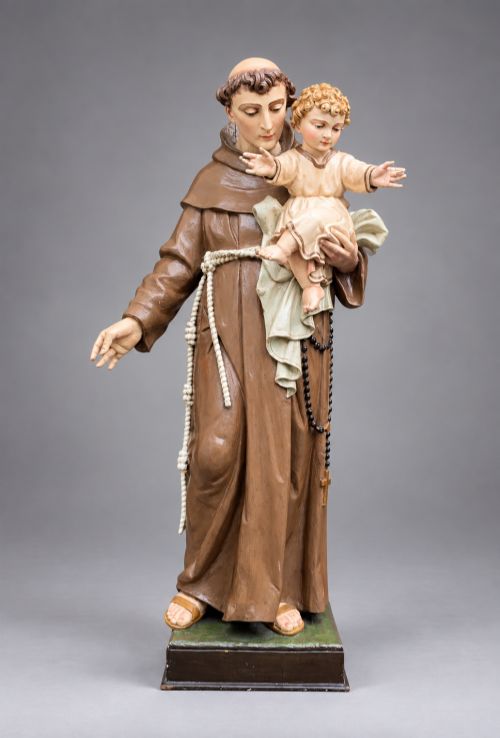
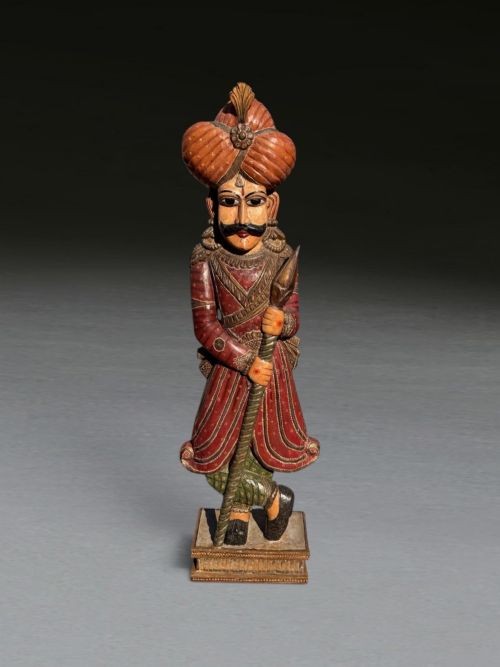
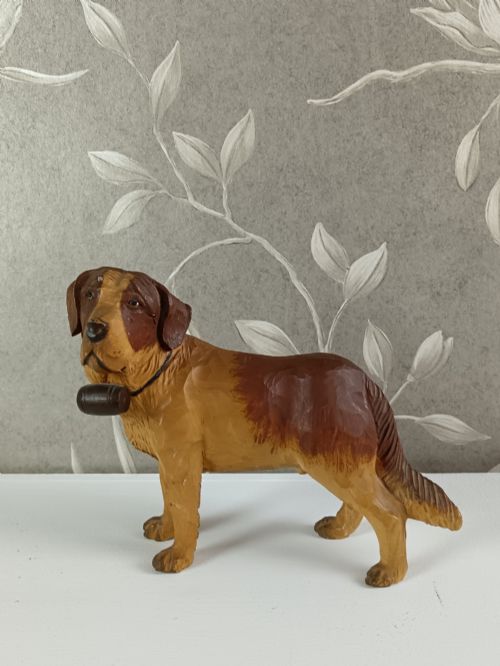
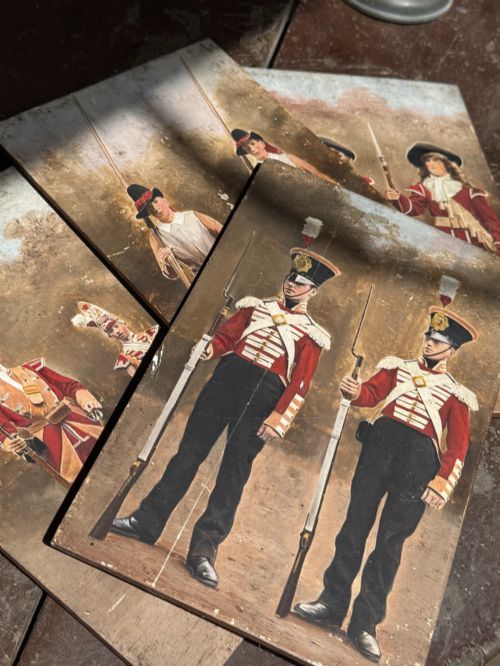
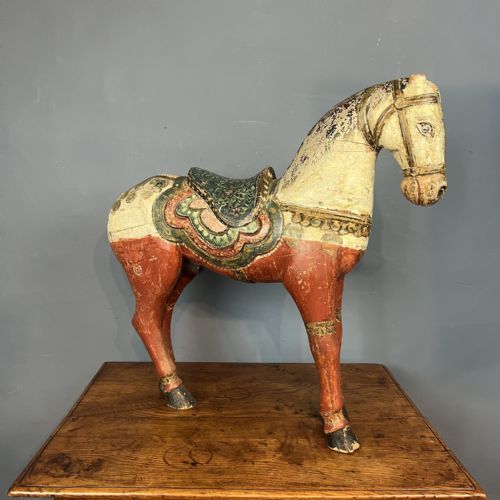
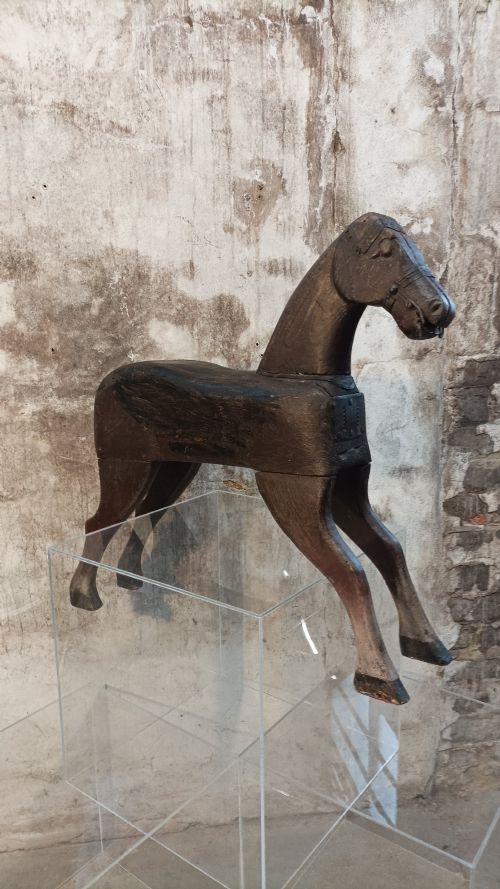
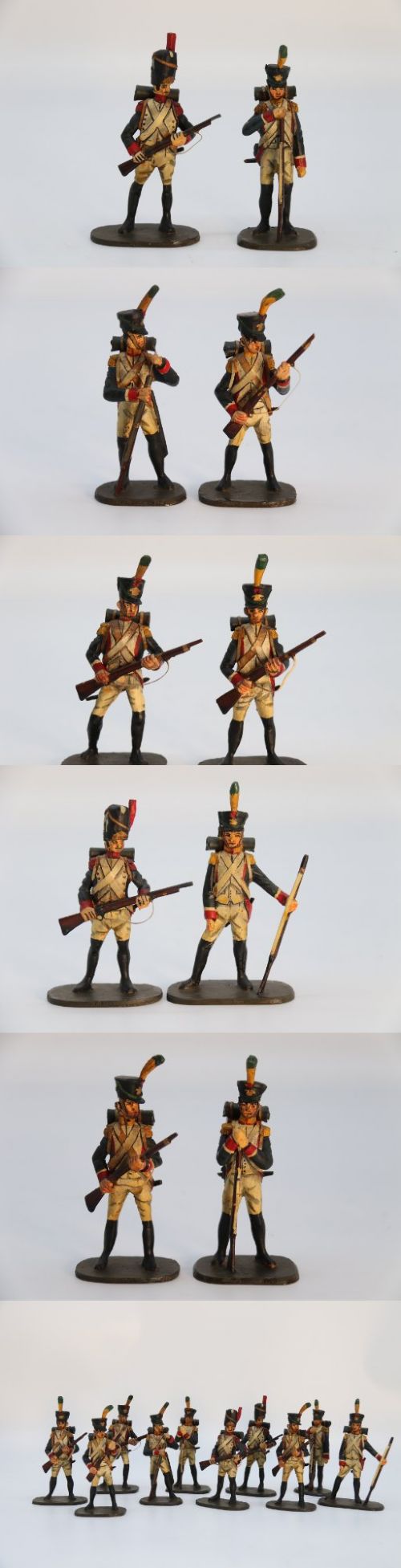
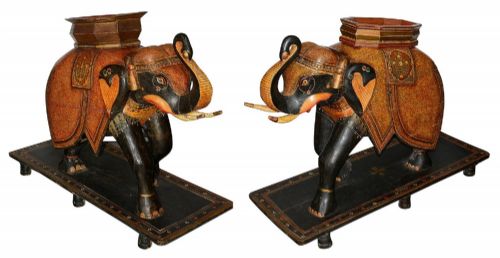
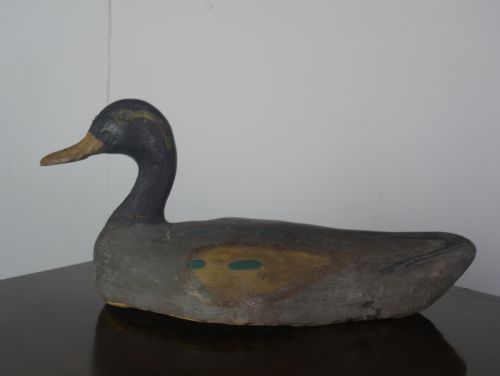
When you search for a hand painted wooden figure, you encounter carved representations spanning folk art traditions, religious subjects, and utilitarian objects from the eighteenth century to the mid-twentieth century. The selection includes animals such as horses, dogs, ducks, and lions, alongside human subjects like soldiers, saints, scholars, and trade figures.
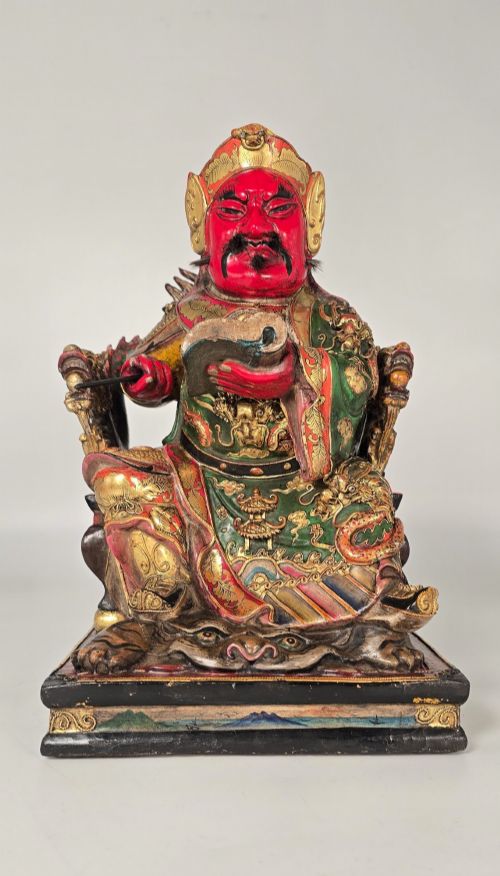
European and American folk traditions dominate the selection, sitting alongside pieces originating from India, China, Burma, and the Middle East. Objects range from architectural fragments and fairground carousel pieces to standalone decorative sculptures and mechanical toys.
You meet simple naive carvings alongside ornate, polychromed figures embellished with gesso and lacquer. Many items served functional roles originally, functioning as shop trade signs, decoys, whirligigs, or marionettes before entering the sphere of decorative objects.
What varies in quality
Quality rests in the sculptural confidence of the carving and the preservation of the original surface pigment. A strong piece displays expressive form and proportion, whether rendered by a trained hand or through bold primitive folk art execution.
The integrity of the original paint surface dictates the standing of a piece. Retained surface crust, genuine patination, and minimal overpainting elevate an example above one with scrubbed or heavily restored decoration.
Saint Bernard rescue dogs, flying dragons, and mechanical jigger dolls share shelf space with polite scholars and soldiers.
H.S Andy Anderson
The Hand Painted Wooden Figure Glossary
- Polychrome
- Decorated in multiple colours. This term describes carved wooden surfaces finished with various pigments, paints, or gilding.
- Gesso
- A plaster mixture used as a base for painting. Artisans applied this substance to wood to create a smooth surface for detailed pigment work.
- Decoy
- A carved bird or animal used in hunting. These working objects often acquire heavy layers of folk paint through field use.
- Whirligig
- A wind-driven mechanical toy with moving parts. These kinetic folk art pieces animate figures through the force of the breeze.
- Folk art
- Art produced from an indigenous culture or peasant tradition. The style prioritises direct expression over academic convention.
Hand Painted Wooden Figure: Frequently Asked Questions
How do I date a painted wooden figure?
Dating relies on examining the timber species, tool marks left by the carver, and the chemical composition of the paints used. Historic wear patterns and structural construction methods also help establish the period of origin.
Comparing the stylistic conventions of the carving with documented regional folk art traditions provides further chronological context for uncertain pieces.
Are these figures meant to be displayed outdoors?
Most antique wooden figures suit indoor display environments exclusively. Exposure to fluctuating humidity, direct sunlight, and moisture damages historic wood and destabilises fragile paint layers.
Keeping items in stable atmospheric conditions protects the original gesso, lacquer, and pigment from flaking or fading over time.
How should I clean a painted wooden surface?
Dusting requires only a soft, dry brush or a clean microfiber cloth. Introducing water, modern cleaning solutions, or oils can dissolve historic pigments and ruin fragile patination.
Professional conservators should handle any necessary consolidation if paint begins lifting from the wooden substrate.
What is the difference between folk art and trade figures?
Folk art figures usually emerge from domestic or community traditions made by self-taught makers for local use or personal expression. Trade figures served commercial functions, such as advertising shop contents to the public.
Both categories share hand-carved wooden construction and applied paint, but trade pieces carry specific functional roots in retail history.