



Hand Painted Silk
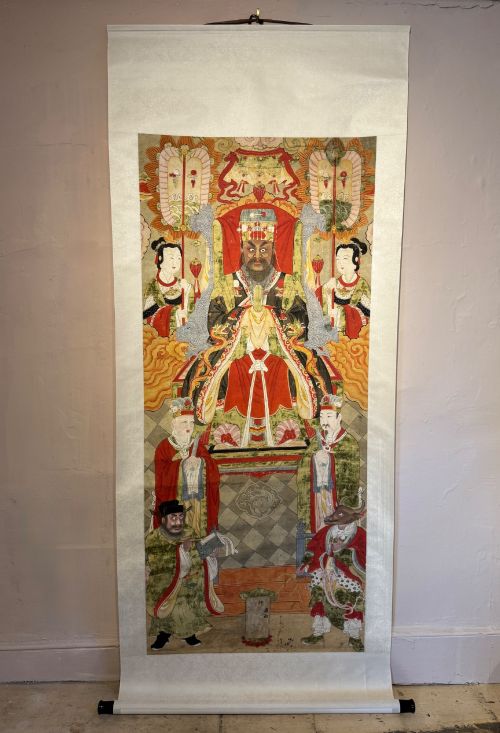
These hand painted silk pieces bring tactile delicacy to a room, ranging from folding fans to wall art.
Hand Painted Silk
When you search for hand painted silk, you encounter a diverse gathering of textiles, decorative objects, and furnishings spanning multiple centuries. The selection on this page runs from the seventeenth century through to the early twentieth century, taking in both European and Asian origins.
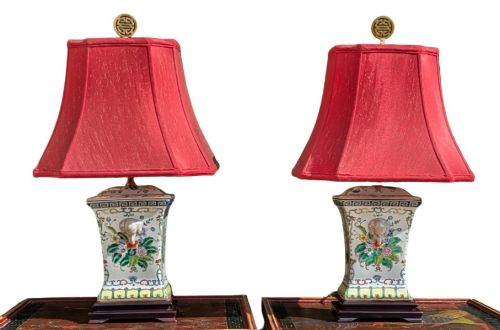
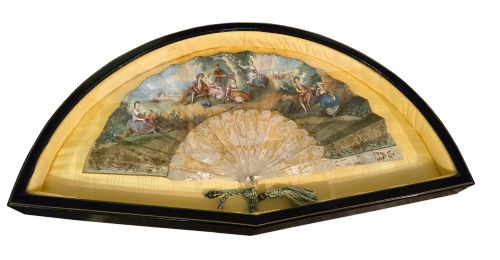
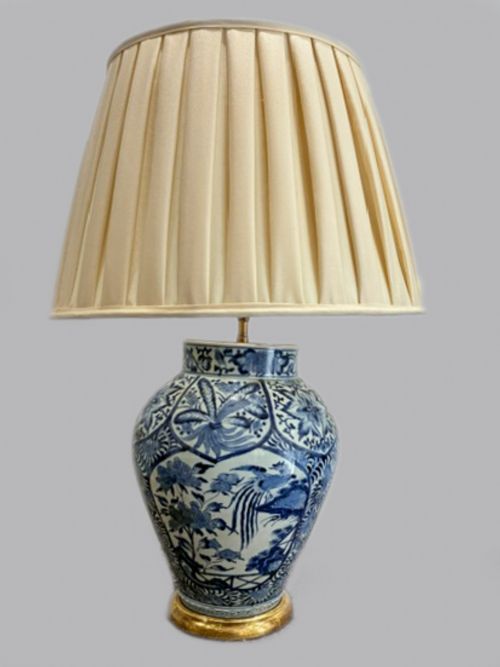
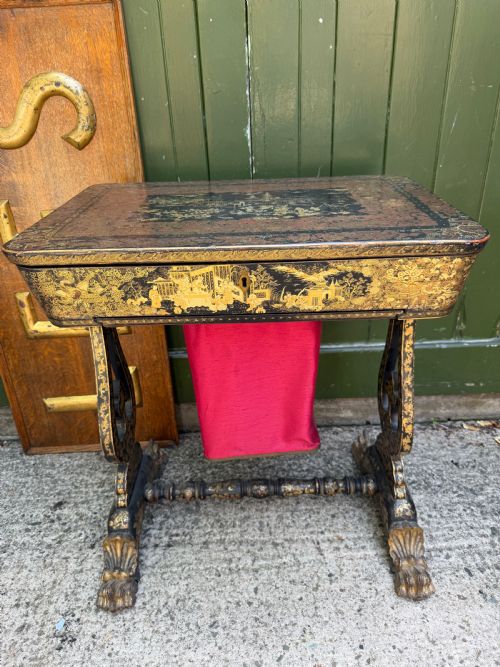
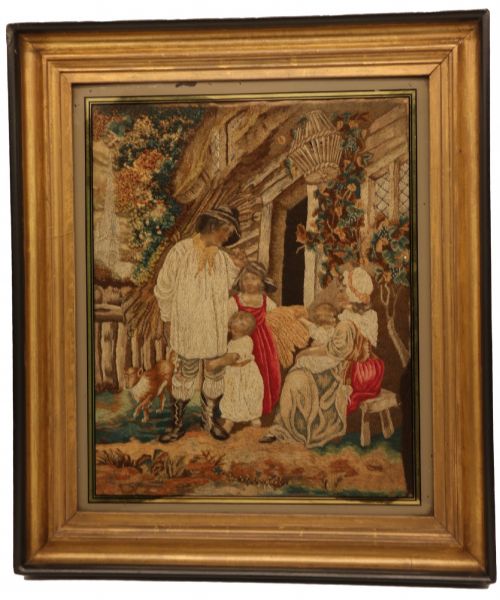
The objects themselves vary widely in form, appearing as framed wall art, folding fans in display cases, table lamps, sewing tables, and kimonos. You are most likely to meet nineteenth-century examples, alongside Georgian workboxes and Japanese decorative items.
The styles shift between Chinoiserie, Neoclassical, Edo Period, French Rococo, and Chinese Export. Each piece demonstrates how textile painting was applied to functional and decorative household items across different eras.
How they were made
Makers applied pigments directly onto woven silk surfaces, frequently combining the textile with supportive structures of wood, brass, glass, porcelain, paper, giltwood, or mother-of-pearl. Sewing tables and workboxes utilise satinwood and lacquered timber frames to house the delicate painted panels.
Fans incorporate carved mother-of-pearl and gilt wood mountings to secure the painted material, while wall mirrors and picture frames employ gilded timber mouldings. The physical construction relies on traditional cabinet-making and mounting techniques suited to fragile fabrics.
Hand Painted Silk Retail Price Guide 2026
Typical asking prices for hand painted silk among the pieces listed under this phrase on Sellingantiques today, from the lower quarter to the upper quarter. They describe what is for sale here now, not the wider market.
Periods represented span from the seventeenth century through to nineteen thirty, encompassing Georgian and Edo eras.
What varies in quality
The standard of the painting on the silk determines much of the visual merit, distinguishing precise brushwork and balanced composition from simpler decorative application. Finer works display crisp detail in figurative and pastoral scenes.
The condition of the textile and its supporting frame dictates overall integrity. Pieces preserved within original display cases or retaining their structural mountings display higher levels of original craftsmanship.
The Hand Painted Silk Glossary
- Chinoiserie
- European artistic style reflecting Chinese motifs. It gained popularity during the Georgian period and heavily influenced decorative screens and painted textiles.
- Giltwood
- Timber treated with gold leaf or gesso preparation. It provides a reflective border for mirrors and decorative fans.
- Edo Period
- Japanese historical era spanning from sixteen hundred to eighteen sixty-eight. Works from this time often feature traditional scroll paintings and textiles.
- Satinwood
- Hardwood with a natural golden sheen. Cabinet-makers used it extensively for late eighteenth and early twentieth-century workboxes and small tables.
Hand Painted Silk: Frequently Asked Questions
Are these items purely decorative?
Many pieces served practical functions in period interiors, such as sewing tables for needlework or jewellery boxes for storage. Folding fans and wall art were primarily aesthetic accessories.
Today, items like workboxes and decorative objects continue to function as useful storage while displaying traditional craftsmanship.
How do I identify the period?
Dating relies on examining the framing materials, cabinet-making techniques, and stylistic markers such as Neoclassical or Rococo motifs. Seventeenth and eighteenth-century items often show distinct joinery and ageing on the wooden supports.
Comparing the painting style and subject matter to known decorative arts of the era helps narrow down the decade of production.
Where were these pieces made?
The inventory includes items originating from British, European, and Asian workshops. Chinese Export pieces were specifically produced for Western markets during the eighteenth and nineteenth centuries.
Japanese scrolls and kimonos reflect traditional domestic craftsmanship, while English and Italian pieces demonstrate European interpretations of painted textiles.