

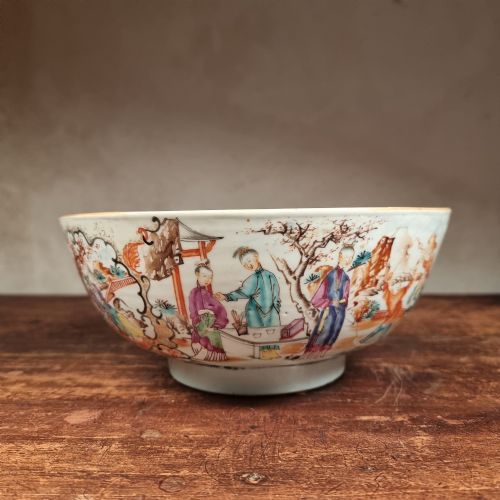


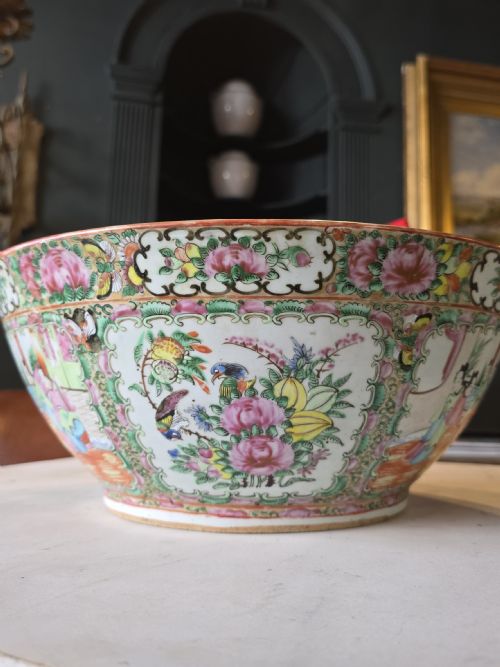


Hand Painted Rose Bowl
A hand painted rose bowl brings floral artistry and historic porcelain into a room, offering a centrepiece that bridges decorative tradition and timeless craftsmanship.
Hand Painted Rose Bowl
A hand painted rose bowl is a decorative vessel designed to hold floral arrangements or display intricate hand-applied motifs. When searching for this phrase, buyers encounter a rich variety of porcelain pieces created across multiple centuries and distinct cultural traditions.
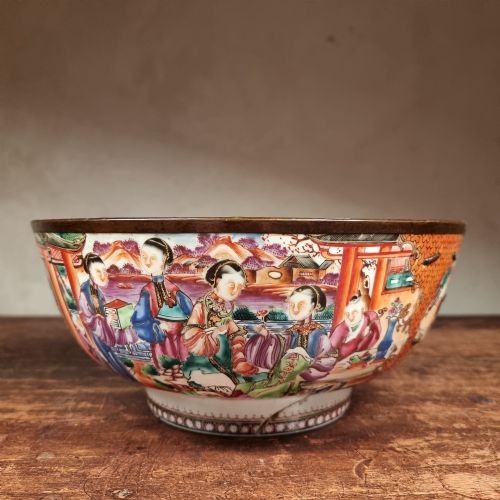
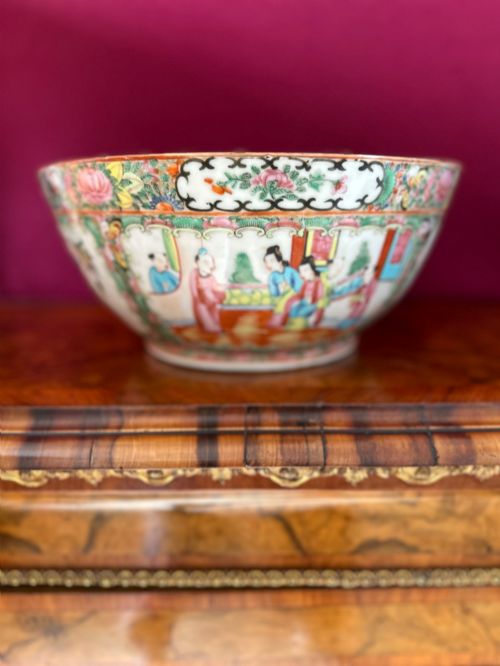
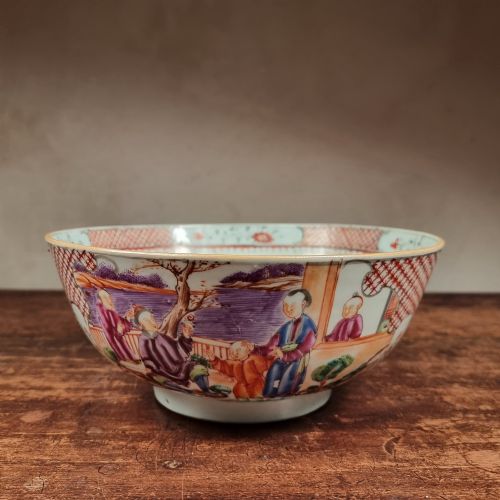
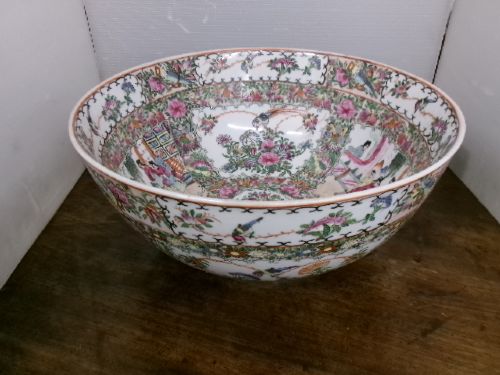
The majority of pieces met on this page originate from Chinese export workshops and the Qing Dynasty, particularly featuring Cantonese Famille Rose and Rose Medallion patterns. Alongside these oriental works, English factories such as Royal Worcester also contribute painted ceramic and porcelain vessels to the selection.
Forms range from large punch bowls and jardinières to smaller tea bowls and pedestal dishes. Each vessel demonstrates the specific decorative vocabulary of its period, whether depicting court scenes, auspicious symbols, or botanical studies.
Materials and methods of manufacture
These pieces are constructed from ceramic, creamware, and fine porcelain, forming a robust white body that accepts detailed overglaze enamels. Artisans apply pigments by hand, building up complex palettes of pinks, greens, and blues across the surface of the clay.
Gilding and gold leaf frequently accent the rims, panels, and borders of the vessels, catching the light and framing the central painted narratives. This metallic embellishment is fused to the glaze during secondary firing processes in kiln environments.
Porcelain bodies vary from heavy punch bowls designed for communal dining to delicate eggshell porcelain cups that require immense skill to throw and fire. Every technique serves to marry structural stability with refined surface decoration.
Hand Painted Rose Bowl Retail Price Guide 2026
Typical asking prices for hand painted rose bowl among the pieces listed under this phrase on Sellingantiques today, from the lower quarter to the upper quarter. They describe what is for sale here now, not the wider market.
Melons and butterflies painted across nineteenth-century porcelain whisper wishes for eternal fertility and joyful summers straight from the artisan's brush.
Distinctions in quality and execution
Quality rests principally on the precision and fluency of the brushwork applied across the porcelain surface. Superior examples exhibit tightly controlled linework, harmonious pigment blending, and carefully balanced compositions that respect the natural contours of the bowl.
The sophistication of the palette and the depth of the overglaze enamels separate standard production pieces from masterworks. Marks denoting specific imperial periods or renowned makers often accompany finer executions, indicating a higher tier of workshop output.
The Hand Painted Rose Bowl Glossary
- Famille Rose
- A major palette of Chinese ceramic glazes introduced during the Qing dynasty, distinguished by its predominant opaque pink or rose enamel colour. This palette allowed artists to render delicate floral and figural scenes with subtle tonal gradations.
- Rose Medallion
- A distinct style of Chinese export porcelain featuring segmented panels filled with birds, butterflies, and court figures arranged around a central medallion. The remaining surface is typically dense with green foliage and gold accents.
- Overglaze Enamel
- A decorative technique where coloured pigments are applied on top of a previously fired and glazed ceramic body before undergoing a lower-temperature fixative firing. This method preserves vibrant hues that might otherwise burn away at high kiln temperatures.
- Creamware
- A refined earthenware developed in England during the eighteenth century, known for its warm, pale yellow or cream-coloured lead glaze. It provided a smooth, neutral ground well-suited for delicate hand-painted botanical motifs.
- Eggshell Porcelain
- An extremely thin, lightweight Chinese porcelain body developed to showcase translucent qualities and exceptional throwing skill. Despite its delicate appearance, the material possesses remarkable structural integrity.
Hand Painted Rose Bowl: Frequently Asked Questions
How were these bowls originally used?
Many of these vessels served functional roles at dining tables, functioning as punch bowls for communal gatherings or holding water for floral displays. Others were created purely for ornamental display in reception rooms and parlours.
Over time, their roles shifted from utilitarian dining items to cherished collector objects prized for their decorative painting and historic significance.
How do I care for an antique bowl?
Antique porcelain and ceramics require gentle handling and should be cleaned using only a soft, dry cloth or lukewarm water without harsh detergents. Avoid immersing pieces with delicate overglaze enamels or gold leaf in water for extended periods.
Display the bowls away from direct sunlight and sudden temperature changes to protect the historic glazes and prevent stress to the ceramic body.
What is the difference between Canton and Rose Medallion?
Canton porcelain encompasses a broad category of nineteenth-century export wares featuring hand-painted scenes, often alternating between figural panels and natural motifs. The style reflects the bustling trade output of the southern Chinese port.
Rose Medallion is a specific subset of this Canton tradition, instantly recognisable by its distinctive geometric panel layout centred around a repeating floral or bird medallion.
How do I identify eighteenth-century pieces?
Eighteenth-century pieces typically exhibit the lighter, more fluid brushwork characteristic of the Qianlong period, along with thinner potting and subtle glaze variations. The palette often utilises softer tones and meticulous attention to detail within the borders.
Examining the foot ring, base unglazed areas, and the specific composition of the motifs helps place a piece within this earlier era of production.