
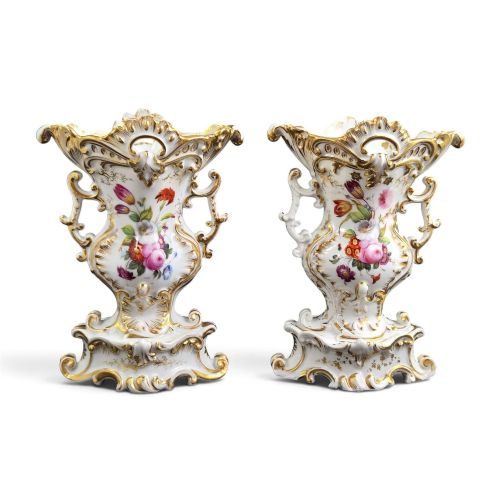
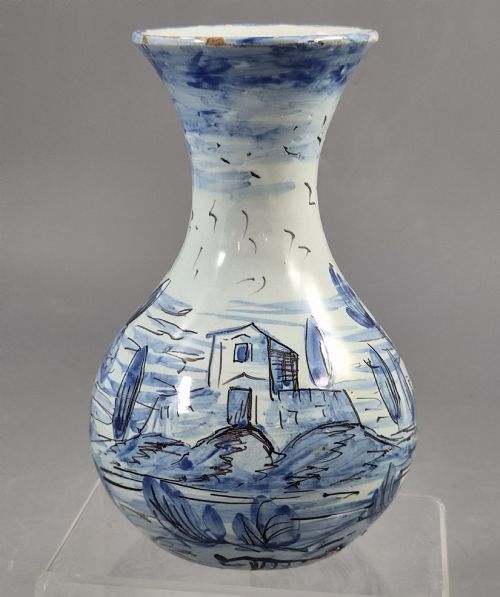
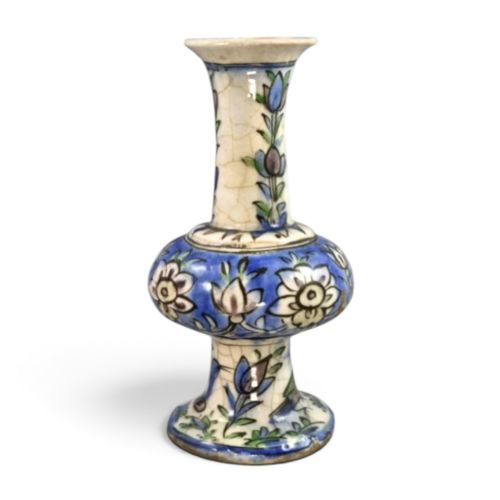
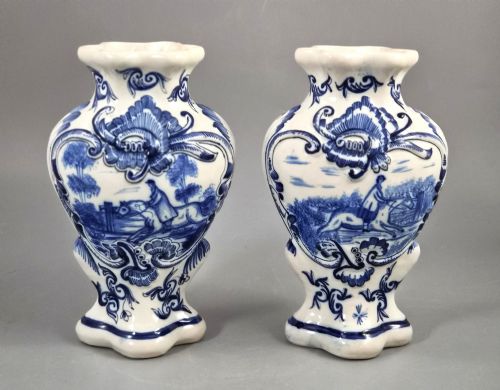
Hand Painted Pottery Urn
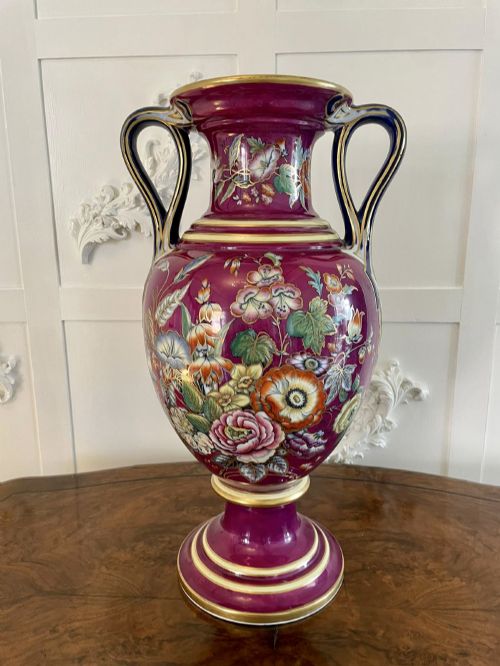
These hand painted pottery urn pieces bring centuries of ceramic artistry and vibrant global design straight into the home.
Hand Painted Pottery Urn
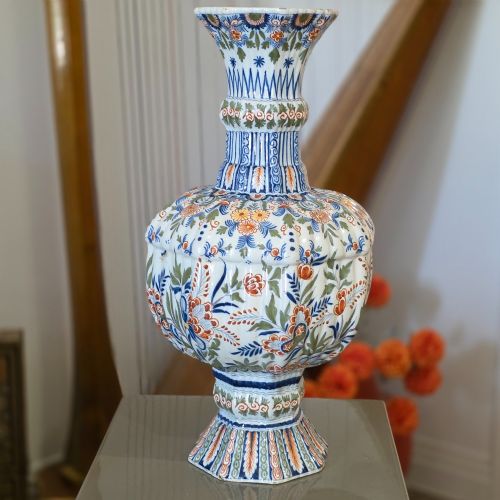
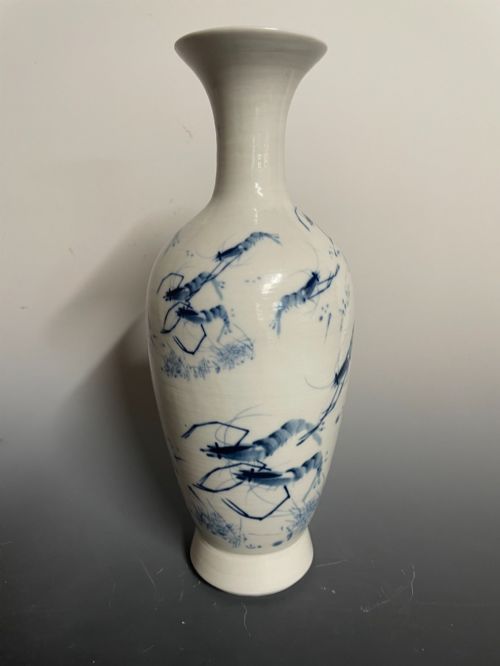
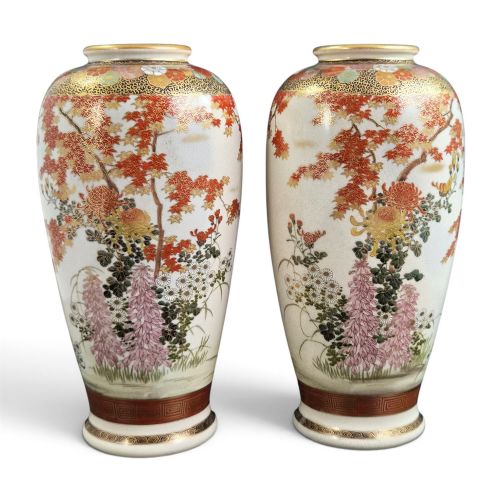
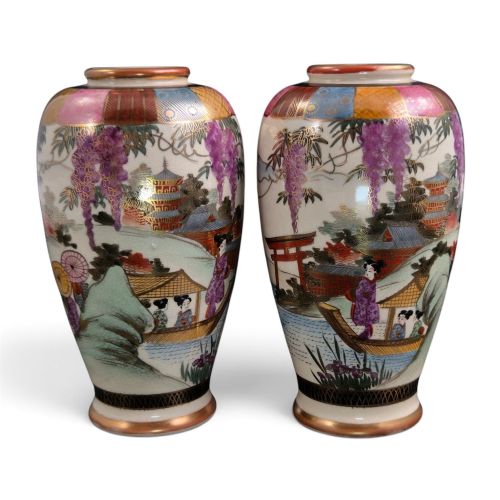
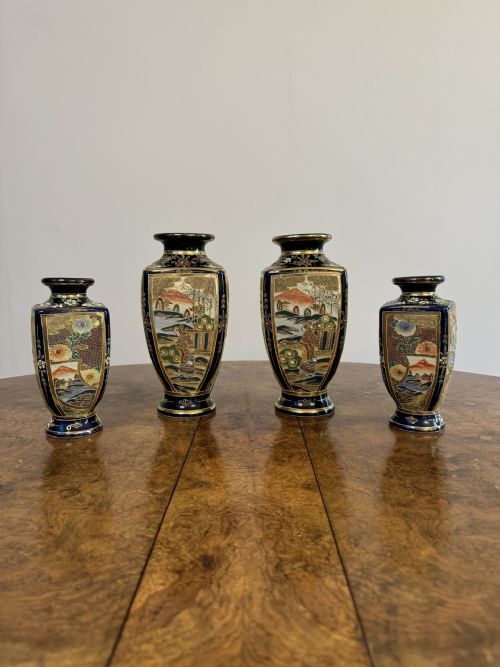
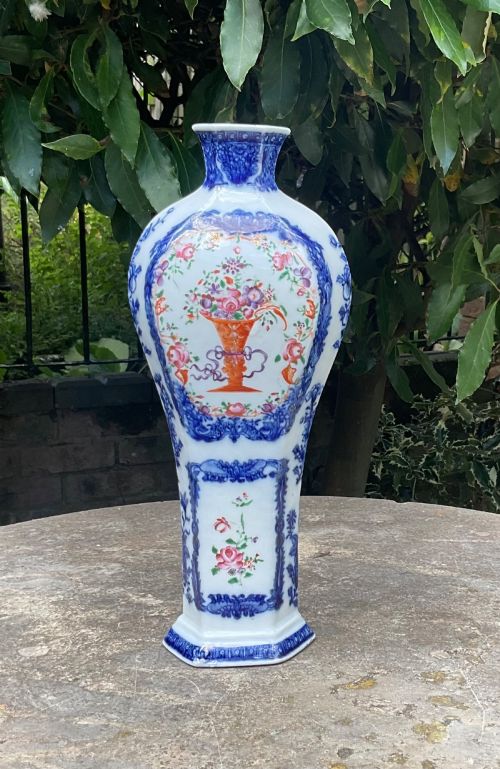
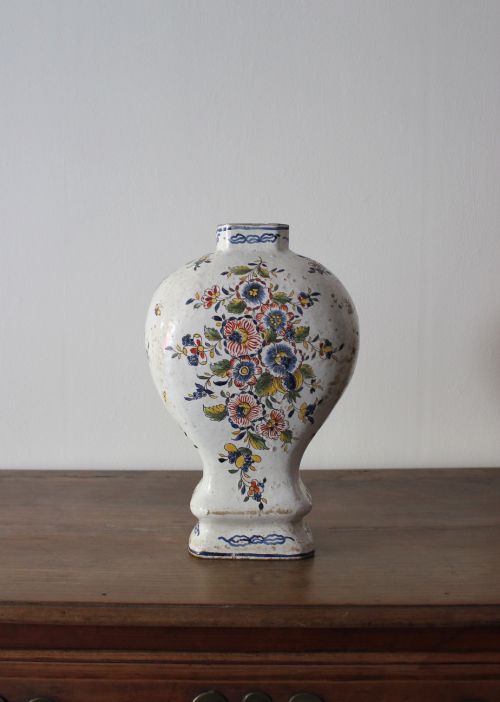
A search for hand painted pottery urn yields a diverse array of decorative vases, ginger jars, and lidded vessels spanning the eighteenth to the early twentieth century. Buyers encounter everything from blue and white Dutch Delftware and English creamware to intricate Japanese Satsuma and Chinese polychrome ceramics.
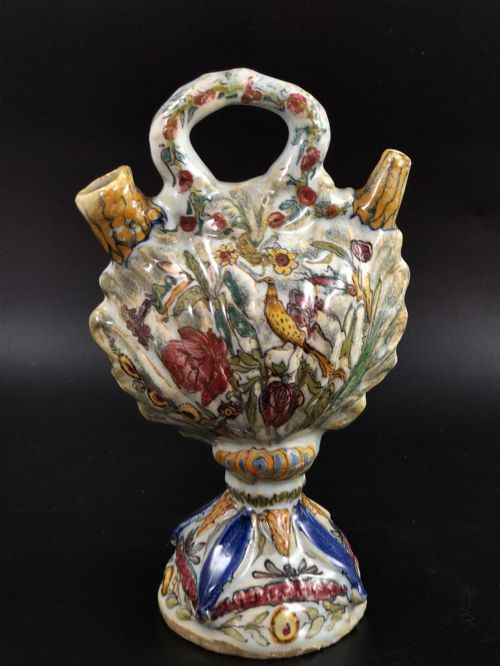
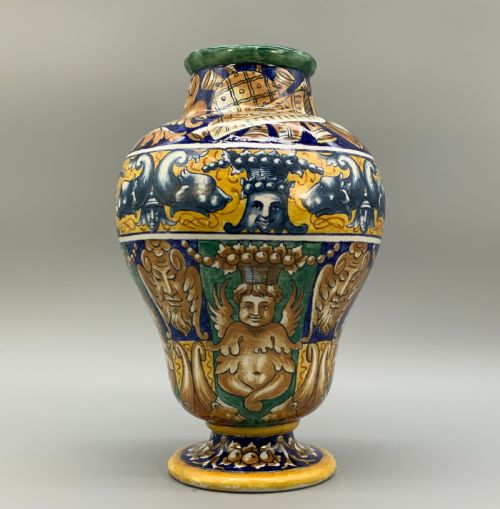
The nineteenth century provides a strong showing of these forms, particularly through English earthenware, Italian maiolica, and Japanese imari wares. Makers utilise traditional shapes such as pilgrim flasks, garnitures, and handled display vases to showcase detailed painted scenes.
Domestic and continental factories alike embraced this decorative vessel format, producing both large-scale floor pieces and smaller cabinet specimens. These objects reflect the shifting tastes of the Georgian, Victorian, and Edwardian eras, incorporating styles from Dutch Baroque to Art Nouveau.
Materials and production methods
Potters shape these vessels using earthenware, porcelain, and tin-glazed bodies, applying wet glazes before firing the ceramic to fix the base colours. Cobalt blue, polychrome enamel pigments, and gold leaf are brushed directly onto the surface by hand.
Techniques range from the tin-glazed earthenware traditions of Delft and Italy to the intricate underglaze and overglaze painting found in Japanese Satsuma and Chinese famille rose pieces. Lustre finishes and specialised faience glazes add distinctive metallic or opaque surface qualities.
Listings feature 18th-century Delftware, 19th-century Japanese Satsuma, and early 20th-century English art pottery using earthenware and porcelain.
Assessing the craftsmanship
The refinement of the hand-painted detail separates standard production wares from exceptional examples, with finer pieces displaying precise brushwork and delicate facial expressions on figures. The depth of the glaze and the crispness of the underlying ceramic form also indicate the maker's skill level.
Complete sets, matched pairs, and original covers elevate the standing of a vessel, alongside documented attributions to notable factories or named artists. Pieces that retain their rich gilding and vibrant enamel colours without excessive wear demonstrate superior preservation.
Doulton Lambeth·Royal Worcester·Cantagalli·Jacob Petit·Wileman Intarsio
The Hand Painted Pottery Urn Glossary
- Majolica
- Opaque tin-glazed earthenware originating in Italy and later revived during the nineteenth century. This technique allows for rich polychrome painting directly onto the absorbent white glaze layer.
- Satsuma
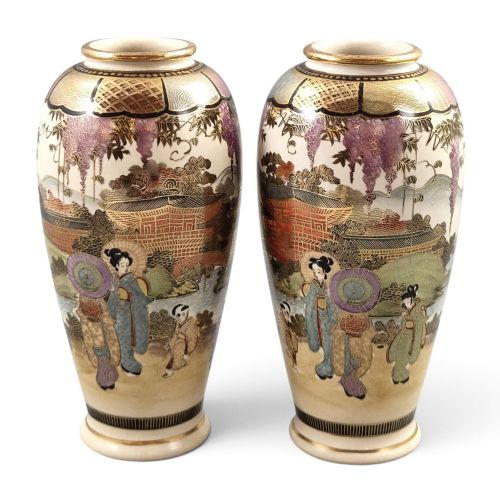
- Japanese earthenware pottery featuring a crackle-glaze finish decorated with elaborate polychrome enamels and gilding. These pieces frequently depict figures, landscapes, and floral motifs.
- Imari
- Japanese porcelain decorated in underglaze blue, iron red, and gold, named after the port of export. The style became widely emulated by European potteries.
- Creamware
- A refined light-coloured earthenware developed in England during the eighteenth century. It is known for its warm buttery tone and smooth transparent lead glaze.
- Faience
- European tin-glazed earthenware akin to Delftware. The method produces a bright opaque white surface suitable for detailed painted narratives.
Hand Painted Pottery Urn: Frequently Asked Questions
How do I distinguish Delftware from Italian maiolica?
Dutch Delftware relies primarily on blue and white tin-glazed earthenware inspired by Chinese porcelain imports. Italian maiolica embraces broader polychrome palettes often tied to Renaissance revival aesthetics.
Examining the foot ring and body fabric reveals further clues. Delft typically uses a lighter earthenware body, while Italian pieces from various revivals display heavier, denser construction.
Were these vessels used for display or function?
Most of these painted pottery pieces served decorative display roles rather than daily utility. Large lidded jars, garniture sets, and cabinet vases enhanced drawing rooms and mantelpieces during the eighteenth and nineteenth centuries.
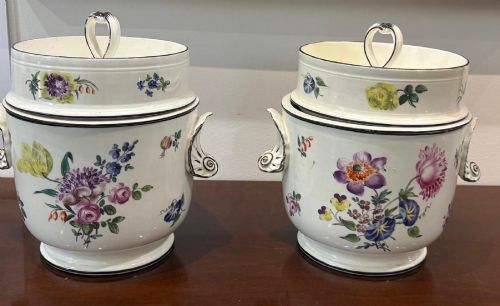
Some specialised forms, such as ice pails and umbrella stands, held practical purposes alongside their decorative painted surfaces. Lidded urns also functioned as potpourri containers to scent period interiors.
How do I date a piece of Japanese Satsuma?
Earlier Satsuma pieces from the nineteenth century often feature finer crackle glazes and restrained gilding. Later Meiji period and Edwardian examples tend toward denser, heavily gilded decorative schemes packed with figures and landscapes.
Studio signatures and workshop marks painted on the base help narrow the production window. Comparing the complexity of the hand-painted motifs against known factory timelines confirms the era.
What is the difference between porcelain and earthenware?
Porcelain is fired at high temperatures using kaolin clay, resulting in a vitrified, non-porous white body that often rings when struck. Earthenware uses common clay fired at lower temperatures, producing a softer, opaque, and porous material.
Tin-glazed earthenware requires a secondary opaque glaze layer to hide the darker clay body beneath the painted decoration. Porcelain accepts underglaze cobalt painting directly on the white body before clear glazing.