
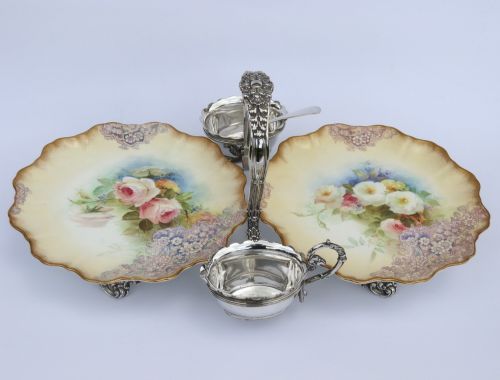
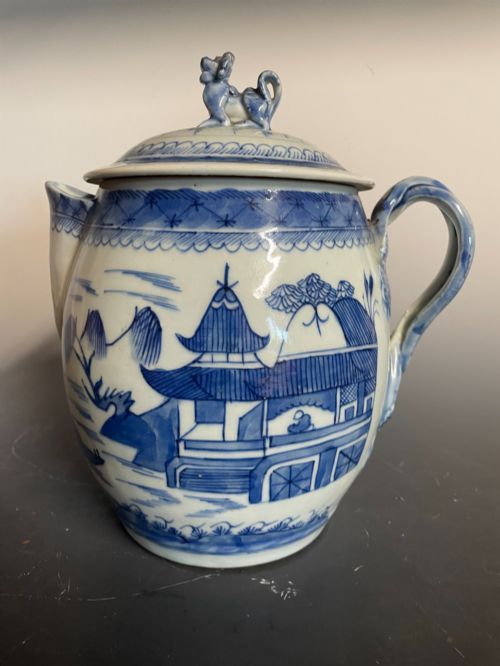


Hand Painted Porcelain Jug
When you search for a hand painted porcelain jug, you look at centuries of ceramic artistry intended for cream, milk, and water on the table.
Hand Painted Porcelain Jug
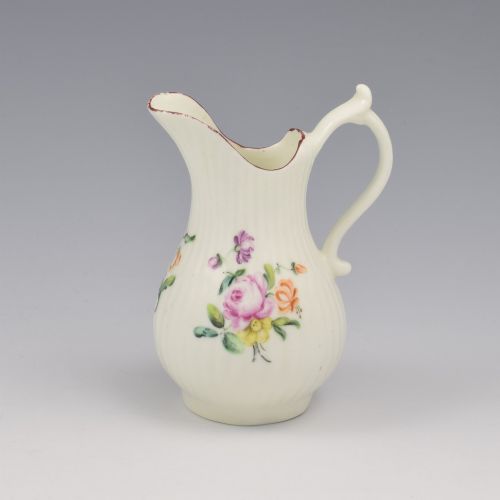
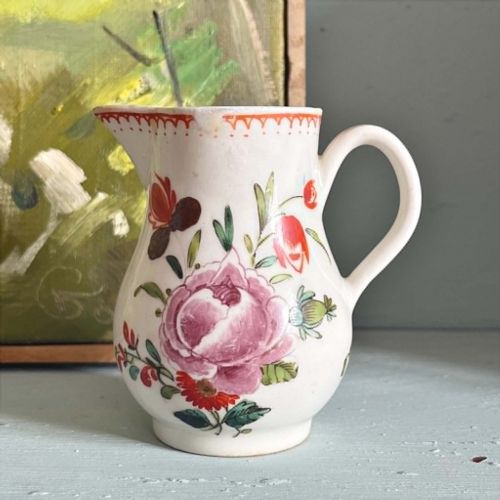
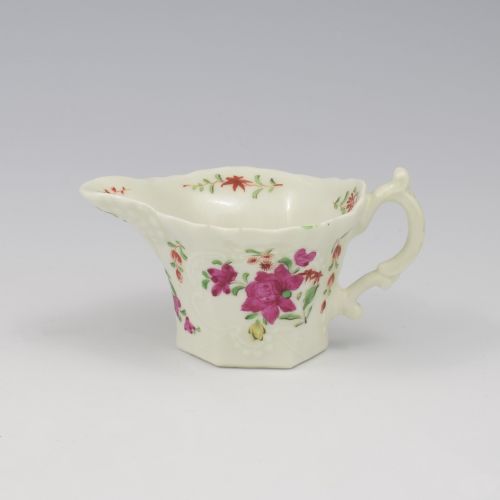
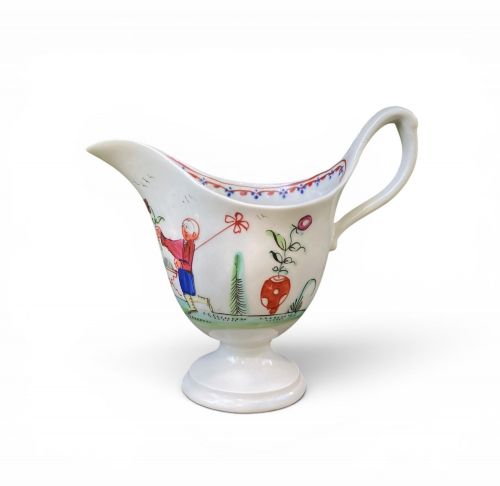
A hand painted porcelain jug spans domestic cream jugs and large decorative ewers from the eighteenth century through the Victorian era. You find domestic vessels produced by factories such as Royal Worcester, Derby, and New Hall, alongside continental and Chinese export works.
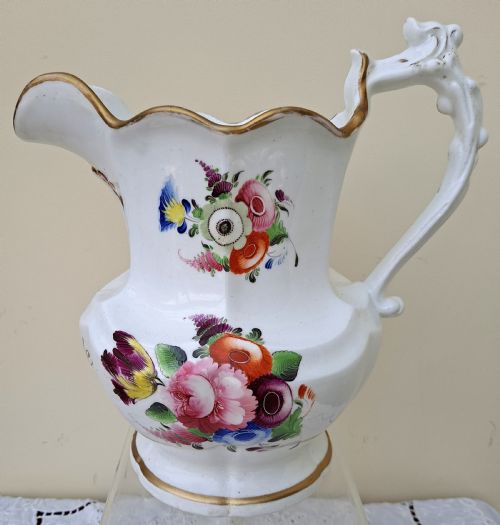
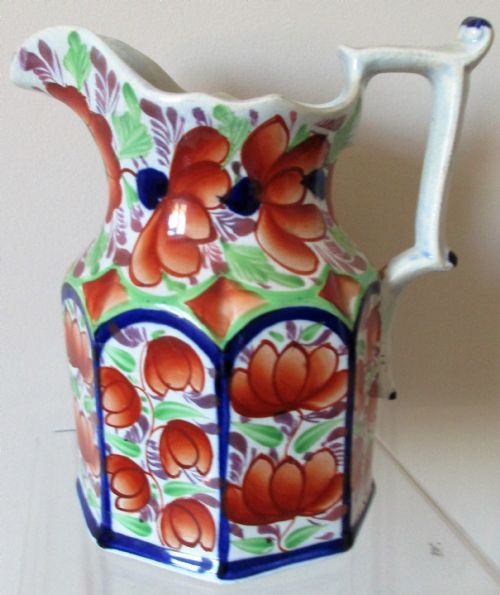
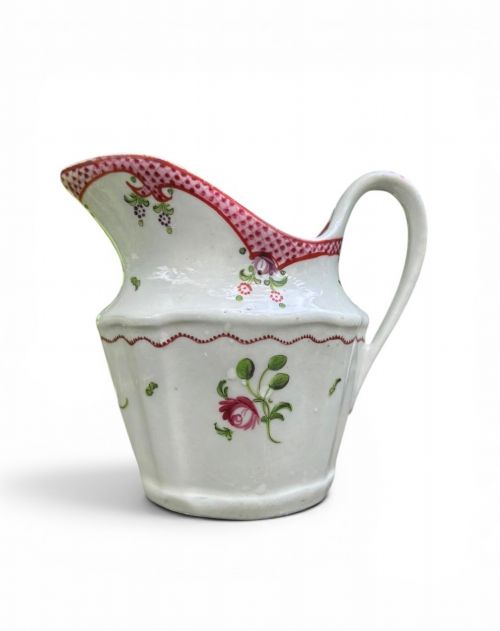
The domestic milk and cream jugs dominate the selection, shaped with sparrowbeaks, fluted balusters, and clip handles. Larger water jugs and wine ewers also appear, often decorated with botanical scenes, birds, insects, and armorial crests.
How they were made
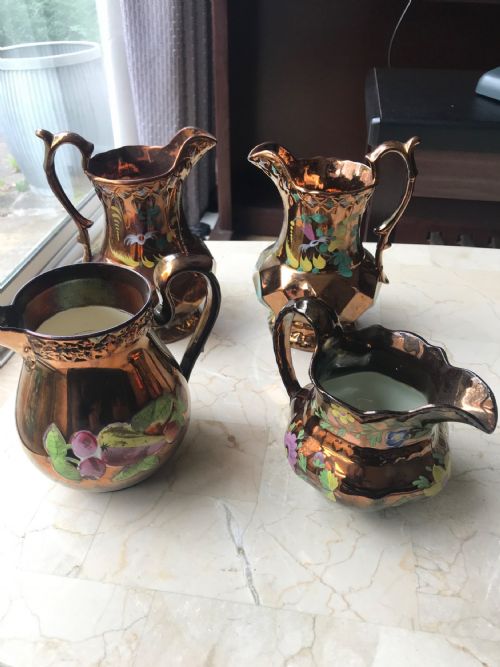
Potters shaped these pieces using soft-paste porcelain, hard-paste porcelain, and earthenware bodies, often throwing or casting forms before applying glazes. Artisans then hand painted polychrome enamels, cobalt underglazes, and copper lustre directly onto the ceramic surface.
Gilding, gold leaf, and gold gilt accents were brushed onto handles, rims, and panels before a final kiln firing fixed the metallic and enamel colours.
Hand Painted Porcelain Jug Retail Price Guide 2026
Typical asking prices for hand painted porcelain jug among the pieces listed under this phrase on Sellingantiques today, from the lower quarter to the upper quarter. They describe what is for sale here now, not the wider market.
Listings feature periods from the 17th century through the 19th century, utilising porcelain, earthenware, and gold leaf.
What varies in quality
The refinement of the ceramic body and the skill of the brushwork dictate the standing of a piece. Delicate potting and sophisticated armorial or floral painting separate standard tablewares from ambitious cabinet pieces.
The crispness of moulded elements, such as dolphin handles or gadroons, and the preservation of original gilding indicate the care taken during manufacture and subsequent handling.
Royal Worcester·Derby Porcelain·New Hall·Meissen·Chamberlain Worcester·Doulton Burslem
The Hand Painted Porcelain Jug Glossary
- Sparrowbeak
- A small eighteenth-century cream jug form featuring a distinctive pinched spout resembling a bird's beak. This profile appears frequently on early English porcelain wares.
- Ewer
- A large jug with a wide spout and elaborate handle, historically used for water or wine rather than dairy. These forms often display sculptural handles like lampreys or dolphins.
- Armorial
- A ceramic design painted with a family coat of arms or crest. Commissioned armorial jugs were popular for elite dining tables.
- Gilding
- The application of gold leaf or powdered gold to ceramic surfaces for decorative emphasis. It appears on rims, handles, and framing panels.
- Soft-paste porcelain
- An artificial ceramic paste fired at lower temperatures than hard-paste porcelain, common in early English factories. It yields a warm, translucent body with a characteristic glaze texture.
Hand Painted Porcelain Jug: Frequently Asked Questions
What were hand painted porcelain jugs used for?
These vessels served practical functions on the dining table, holding cream, milk, water, or wine during tea and meal services. Smaller sparrowbeak and cream jugs poured dairy, while larger ewers handled water and wine.
Many examples also functioned as decorative display items in drawing rooms, particularly the more elaborate painted ewers and armorial jugs.
How do I care for an antique jug?
Wash antique porcelain by hand in warm water using a mild, non-abrasive detergent. Avoid dishwashers, harsh scrubbing pads, and soaking, which can damage old enamels and nineteenth-century gilding.
Display the piece away from direct sunlight and sudden temperature shifts to protect the glaze and painted surface.
How do I tell an 18th-century jug from a Victorian one?
Eighteenth-century pieces often use soft-paste porcelain bodies with hand-painted underglaze blue or delicate polychrome enamel flowers, showing simpler domestic forms like sparrowbeaks. Victorian examples frequently employ bolder decorative styles, copper lustre, blush ivory grounds, or complex moulded shapes.
Factory marks, when present, help confirm the period, ranging from early painted crescents to nineteenth-century puce and printed stamps.
Are all these pieces English?
While the selection contains many domestic English factories like Worcester, Derby, and Coalport, continental makers are also represented. You find German porcelain from Meissen and KPM alongside French pieces and Chinese export wares.
Styles range from traditional English floral patterns to Chinese Export designs and Persian-influenced pottery forms.