



Hand Painted Pine Cupboard
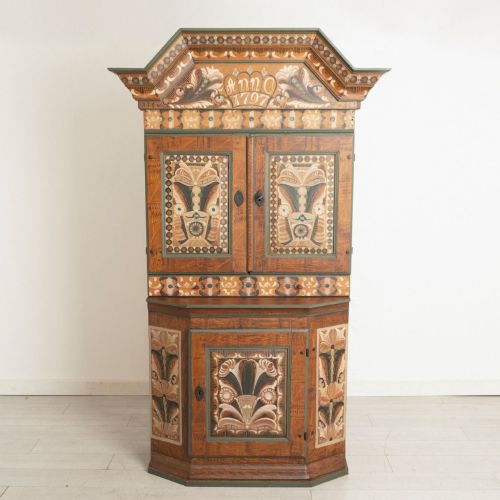
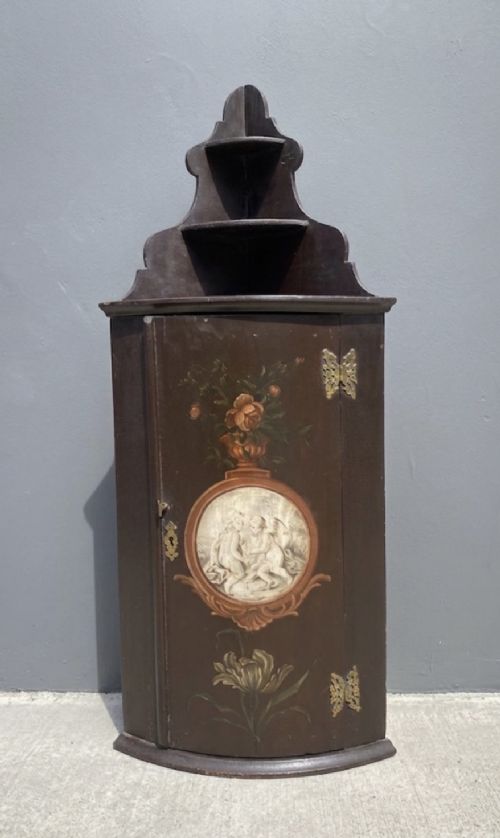
A hand painted pine cupboard brings functional timber storage alive with regional colour and decorative folk artistry.
Hand Painted Pine Cupboard
A hand painted pine cupboard serves as a versatile storage vessel shaped by rural craftsmanship and domestic utility across Europe. These pieces combine utilitarian pine construction with decorative surfaces ranging from Scandinavian folk art to British institutional styles.
The most common examples on this page date from the eighteenth and nineteenth centuries, spanning regional variations like Gustavian kitchen cabinets, Dutch armoires, and Victorian country dresser bases. Buyers encounter everything from corner cupboards with upper shelving to full-height bedroom wardrobes.
Regional diversity dictates the character of each piece, drawing on Scandinavian country traditions, Austro-Hungarian marriage armoires, and Italian polychrome finishes. Each cupboard reflects the aesthetic preferences and storage needs of its original domestic or institutional setting.
How they were made
Makers built these pieces primarily using solid pine, fastening joints with iron and brass hardware such as hinges and locks. Timber selection prioritised accessibility and workability for regional joiners and rural cabinet makers.
Surfaces received layers of paint, including mineral paint and traditional polychrome decoration, applied by hand to create folk motifs and regional finishes. This decorative layer protected the soft pine underneath while transforming utilitarian furniture into folk art.
Hand Painted Pine Cupboard Retail Price Guide 2026
Typical asking prices for hand painted pine cupboard among the pieces listed under this phrase on Sellingantiques today, from the lower quarter to the upper quarter. They describe what is for sale here now, not the wider market.
Listings feature pine cupboards spanning the eighteenth and nineteenth centuries, incorporating iron, brass, and ceramic hardware.
What varies in quality
The artistic merit of the hand-painted decoration separates standard utilitarian storage from exceptional folk art. Superior pieces display confident brushwork, intact original polychrome schemes, and sophisticated regional motifs rather than crude or later repainting.
Structural integrity and the survival of original iron or brass fittings distinguish better examples. Pieces that retain their original timber backboards, functional shelving, and period hardware hold greater authenticity.
Melissa White
The Hand Painted Pine Cupboard Glossary
- Pine
- A softwood timber widely utilised in regional furniture making for its accessibility and suitability for painted finishes. It forms the primary structural body of these cupboards.
- Polychrome
- Decoration executed in multiple colours upon a surface. This technique defines the visual character of Italian and Austro-Hungarian painted storage pieces.
- Gustavian
- A Swedish neoclassical style originating in the late eighteenth century characterised by light painted finishes and restrained classical detailing. These cabinets often feature pale, luminous paint schemes.
- Folk Art
- Artistic work created within a traditional culture by self-taught or regional makers. Painted pine cupboards frequently showcase these vernacular motifs and patterns.
Hand Painted Pine Cupboard: Frequently Asked Questions
How do I date a painted pine cupboard?
Dating relies on examining construction methods, timber characteristics, and the style of the painted surface.
Early pieces often display hand-forged iron hardware and vernacular joinery techniques that reveal their period of origin.
Where were these cupboards originally used?
These pieces served practical storage functions in kitchens, bedrooms, and dining spaces across European homes and institutions.
Larger armoires functioned as marriage or wardrobe storage, while corner cabinets utilised neglected room angles.
Are the painted finishes original?
Surfaces vary between entirely original folk art schemes and pieces that have undergone later decoration or maintenance.
Evaluating the wear patterns in the paint layers helps determine the age and authenticity of the exterior finish.
How do I care for antique pine furniture?
Protect the painted pine surfaces by keeping pieces away from direct sunlight and maintaining stable room humidity.
Gentle dusting with a dry cloth preserves the fragile mineral or traditional paint layers without damaging the timber.