

Dark Green Cabinet
A dark green antique cabinet brings deep, moody colour and rich timber grain into a room, serving as a striking storage piece with genuine period presence.
Dark Green Cabinet
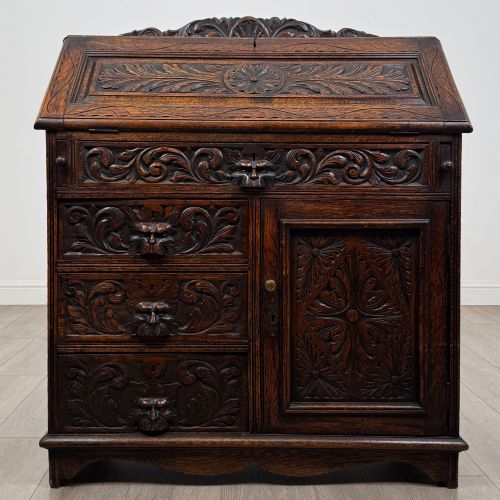
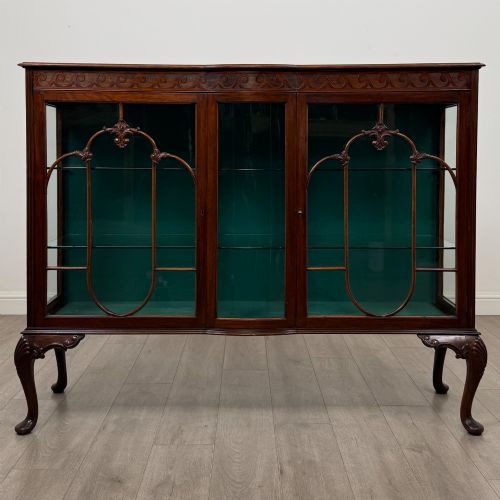
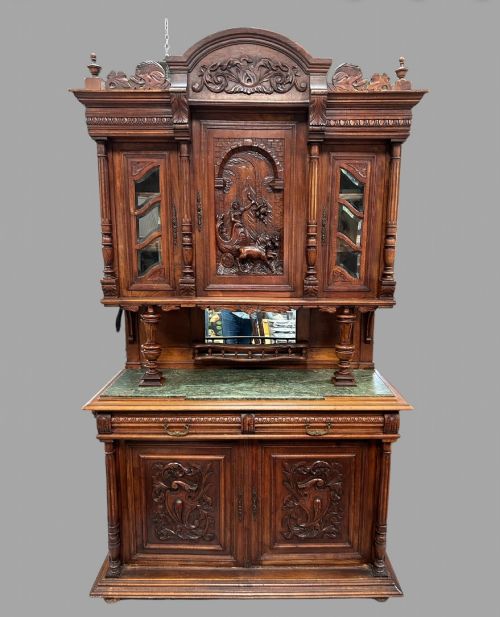
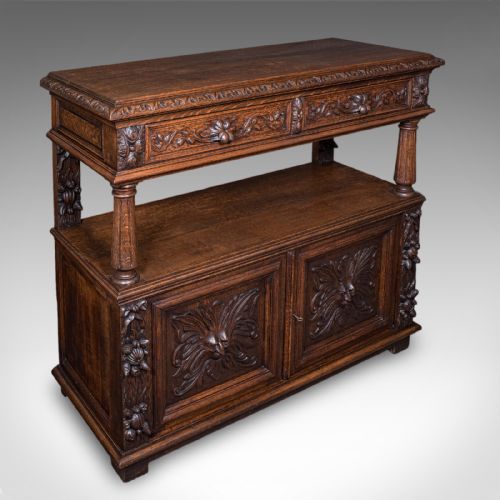
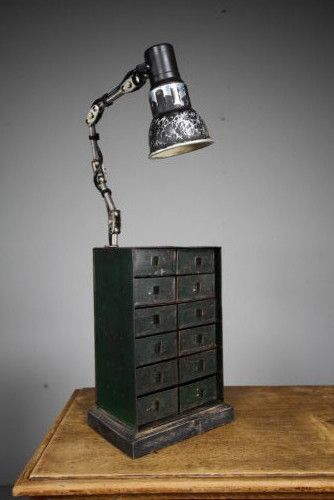
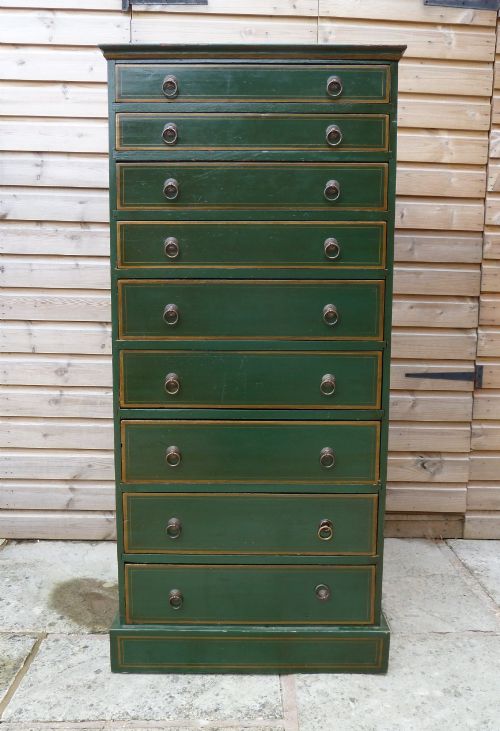
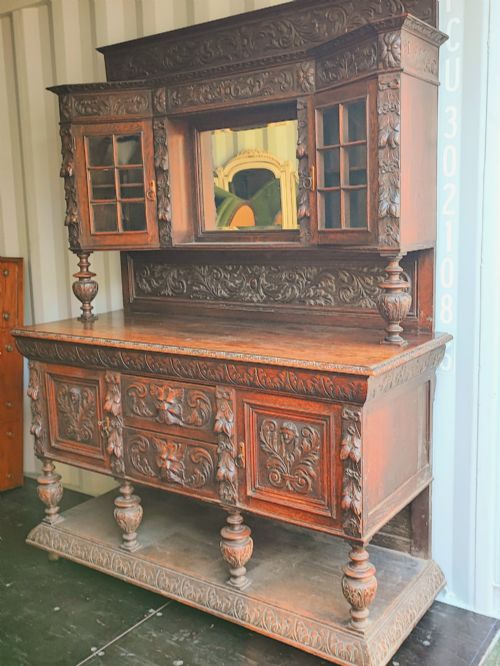
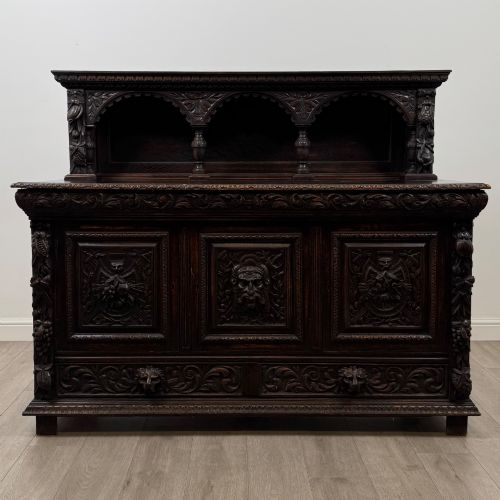
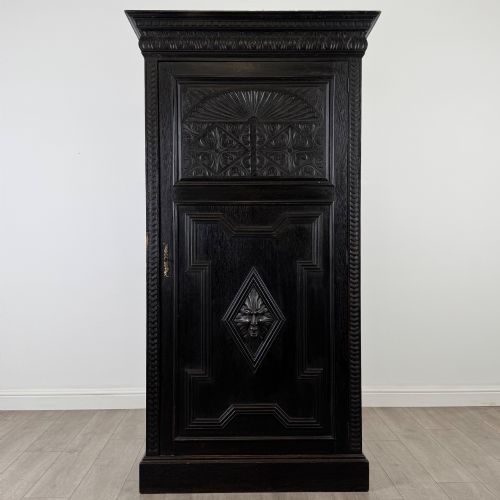
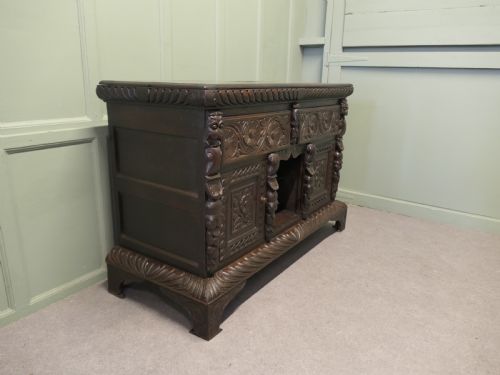
A dark green antique cabinet encompasses a varied group of storage forms including sideboards, bookcases, dressers, and specialised chests originating from periods like the Victorian era, the 18th century, and the early 20th century. Buyers searching this phrase most frequently encounter substantial Victorian carved oak furniture featuring distinctive green man motifs alongside painted pine or simulated paint finishes from the 19th and early 20th centuries.
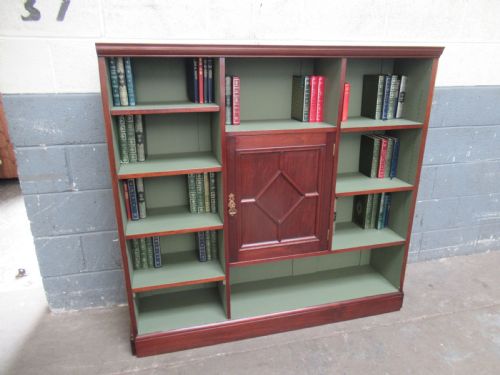
The selection ranges from large library bookcases and monumental sideboards to small bedside cabinets, miniature dressers, and collectors cabinets. Materials span traditional hardwoods like oak and mahogany alongside painted surfaces, glass, and brass fittings, reflecting diverse stylistic influences from French Provincial to Gothic Revival and Arts and Crafts.
How they were made
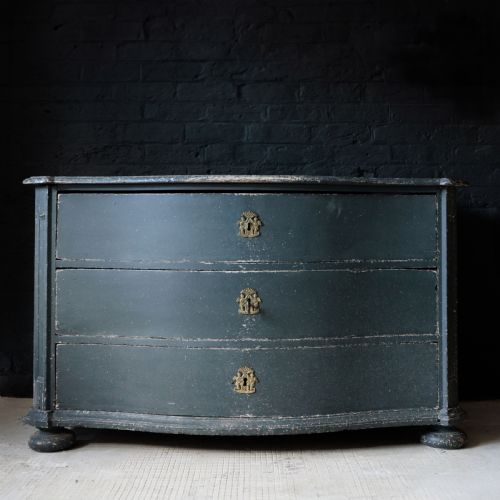
Construction relies heavily on solid hardwoods such as oak, walnut, and mahogany, shaped through traditional joinery and often enhanced with deep relief carving. Pieces utilising painted finishes display applied pigments on pine or simulated grains over timber bases, sometimes retaining original surface remnants from the 19th and 20th centuries.
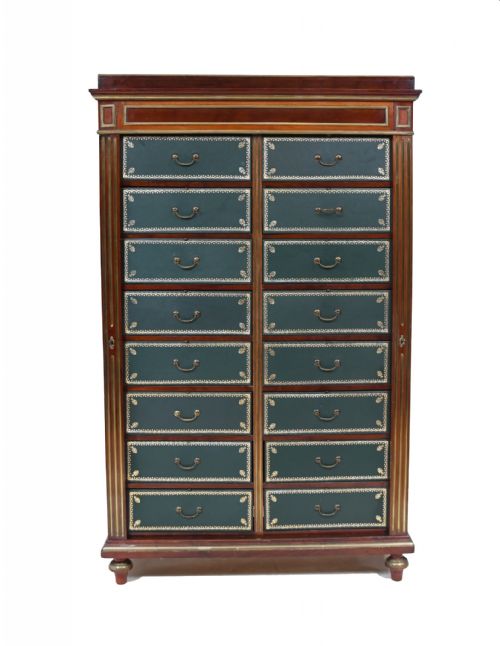
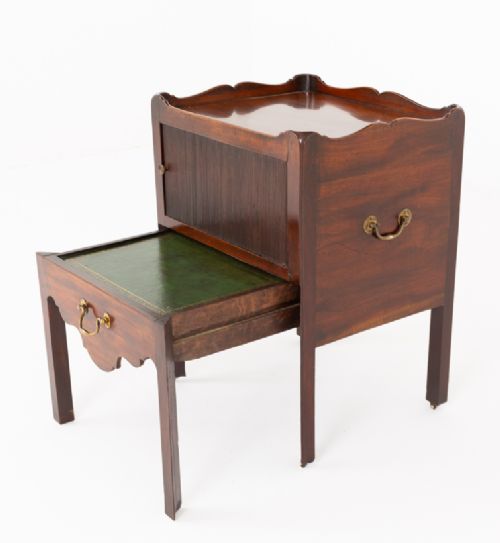
Hardware and functional elements incorporate brass handles, glass doors for display units, and fitted leather writing surfaces for desks and secretaires. Structural integrity is achieved through heavy framing, cabriole legs, or floor-standing plinths designed to support substantial timber bodies.
Listings feature oak, mahogany, walnut, and pine, alongside decorative elements of glass, brass, marble, and leather across multiple centuries.
What varies in quality
Quality separates through the depth and crispness of hand-carved details, particularly on figurative elements like green man masks, scrollwork, and panel mouldings. Superior examples maintain original painted surfaces, patinated hardware, and tight, stable joinery across heavy structural doors and drawers.
The choice of primary timber and secondary framing woods dictates the overall solidity and weight of the piece, with dense mature oak and figured mahogany commanding greater presence. Refined proportions, balanced hardware placement, and intact interior fittings such as original shelving or light fixtures further distinguish finer specimens.
The Dark Green Cabinet Glossary
- Green man
- A sculptural architectural ornament depicting a human face disgorged from foliage or surrounded by vines. It appears frequently on carved Victorian oak furniture.
- Secretaire
- A cabinet or desk featuring a pull-down writing flap that conceals small drawers and pigeonholes. This form combines the utility of a desk with the storage of a chest or bookcase.
- Breakfront
- A large cabinet design where the central section projects forward from the flanking wings. This configuration adds architectural depth to sideboards and bookcases.
- Davenport
- A small compact writing desk with a sloped writing surface above a pedestal of drawers. It typically incorporates side compartments and stationary storage.
- Chiffonier
- A low sideboard or cabinet developed in the Regency period, often fitted with enclosed shelving or glass doors below. It functions as a serving surface and general storage unit.
Dark Green Cabinet: Frequently Asked Questions
What periods do these cabinets come from?
These pieces date from the 18th century through to the early 20th century, covering Georgian, Regency, Victorian, and Edwardian eras. Victorian examples with heavy oak carving form a prominent portion of the available range.
Earlier pieces from the 18th century utilise walnut or painted pine, while later 1920s examples introduce industrial painted metal and simulated paint finishes.
How do I care for antique painted wood?
Maintain painted pine and simulated paint finishes by keeping the furniture away from direct sunlight and fluctuating humidity. Dust gently with a dry, soft cloth and avoid chemical cleaning agents.
Preserving the original surface layer protects the underlying timber and maintains the historical character of the painted finish.
Where were green man carvings used?
Green man carvings appear primarily on heavy Victorian oak furniture, including sideboards, buffets, bookcases, wardrobes, and davenport desks. These intricate foliate masks provide a distinct decorative focal point.
Cabinet makers utilised these motifs during the Gothic Revival and Arts and Crafts movements to impart a rustic, vernacular aesthetic.
What is a secretaire bookcase?
A secretaire bookcase combines a tall shelving unit with a built-in pull-down writing desk compartment. The middle section drops open to reveal small drawers and pigeonholes for correspondence.
This dual-purpose form allows for the display of books above while providing concealed workspace and lower storage.