

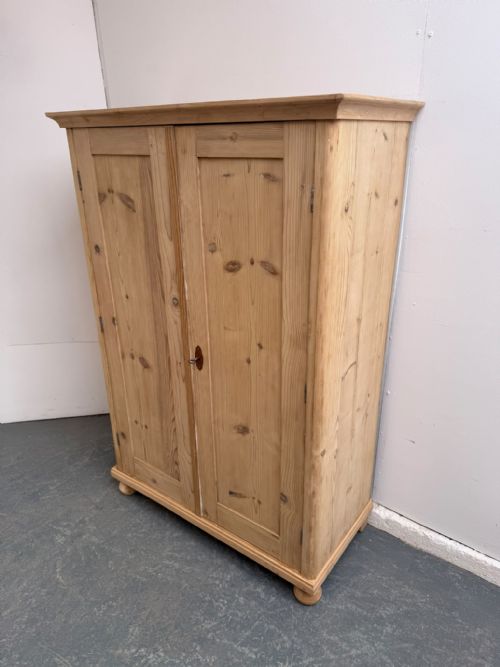


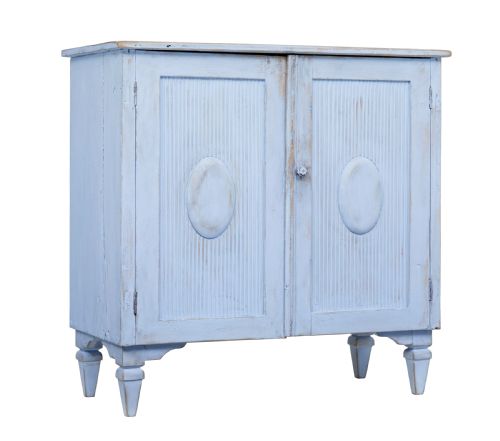


Painted Pine Side Cabinet
A painted pine side cabinet brings rustic charm and practical storage to a room through centuries-old craftsmanship and surface finishes.
Painted Pine Side Cabinet
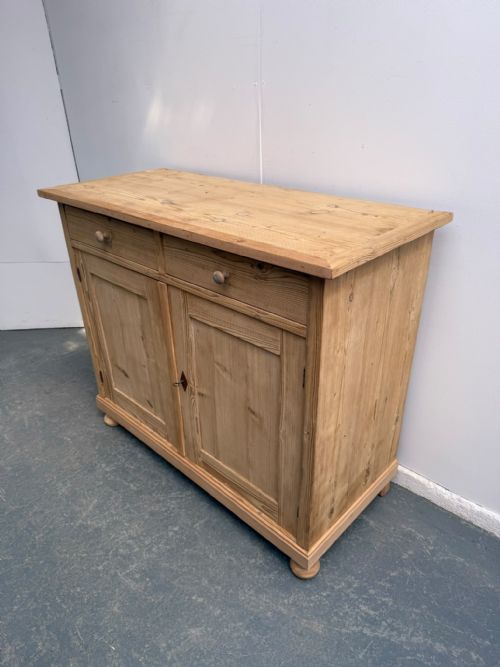
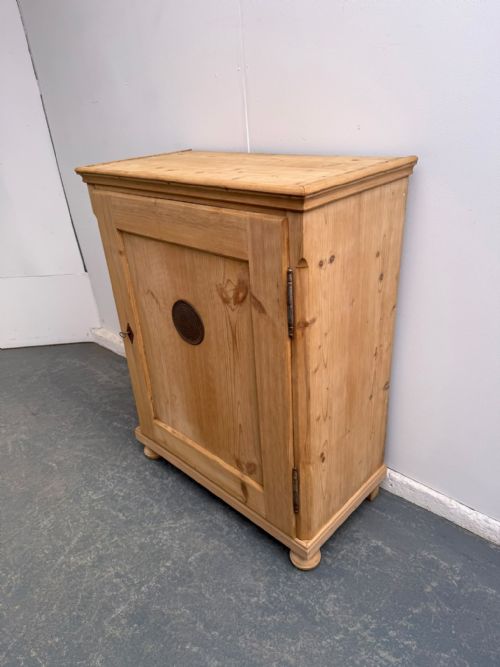
A painted pine side cabinet encompasses a variety of utilitarian and decorative storage pieces designed for domestic use. When searching for a painted pine side cabinet, buyers encounter diverse forms ranging from compact bedside cupboards and pot cupboards to larger chiffoniers, dresser bases, and multi-drawer shop fittings.
The pieces originating on this page span several distinct eras, stretching from the eighteenth century through the Victorian period and into the early twentieth century. Continental European examples sit alongside English pieces, featuring regional characteristics such as Scandinavian country designs and Hungarian shop fittings.
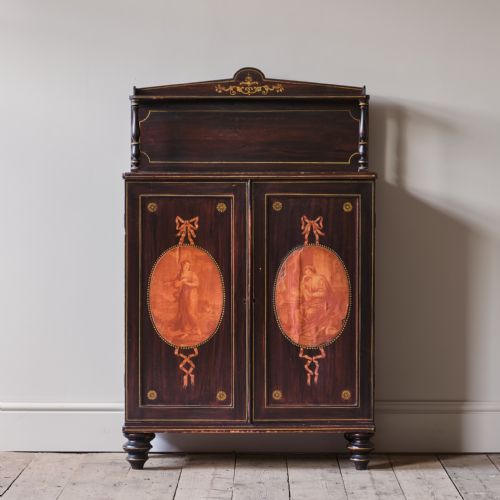
Bedside cabinets and two-door cupboards represent the most frequent formats encountered within this selection. These items often showcase historical surface treatments, including simulated rosewood finishes, original black paint, blue, grey, cream, and white schemes.
Materials and construction methods
Makers constructed these cabinets primarily using solid pine, occasionally incorporating secondary timbers such as oak for internal elements or structural support. Metal hardware like brass, iron, and occasional ceramic components appear on handles, hinges, and vents, while select French examples integrate marble tops.
Joinery techniques relied on traditional hand-cut joints suited to functional furniture production. Surfaces received various coatings over time, ranging from original historical paint schemes and decorative colour washes to later layers applied by subsequent owners or prepared for stripping and waxing.
Painted Pine Side Cabinet Retail Price Guide 2026
Typical asking prices for painted pine side cabinet among the pieces listed under this phrase on Sellingantiques today, from the lower quarter to the upper quarter. They describe what is for sale here now, not the wider market.
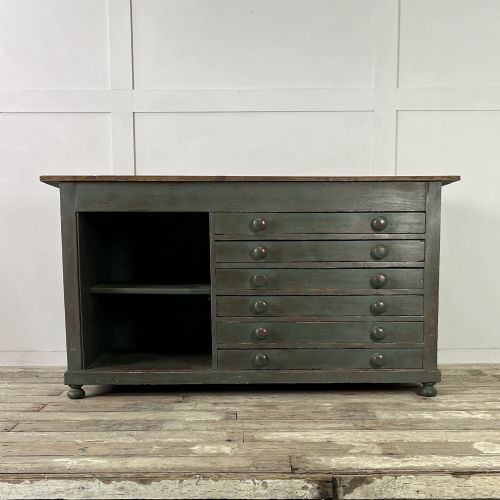
One twenty-five drawer shop fitting from Hungary proves that sorting tiny objects was once an extreme sport.
Distinguishing quality in painted pine
The integrity of the original timber construction and the survival of early surface finishes dictate the standing of an individual piece. Cabinets retaining their earliest painted schemes demonstrate greater historical authenticity than those stripped or repeatedly repainted in later decades.
Proportion, decorative carving, and specialised regional details such as columnar supports or tiled elements elevate certain items above standard utility furniture. The balance between utilitarian strength and refined cabinet-making shapes the overall character of each cabinet.
The Painted Pine Side Cabinet Glossary
- Chiffonier
- A low sideboard or cabinet with drawers and doors, popular during the nineteenth century. It typically provides enclosed storage beneath a flat top surface.
- Dresser base
- The lower section of a traditional kitchen dresser, featuring a combination of drawers and cupboards beneath a work surface. These sturdy pieces served as primary workspace and storage in historic kitchens.
- Pot cupboard
- A small bedside cabinet designed originally to house a chamber pot. They frequently feature a single door enclosing a shelf and occasionally incorporate marble tops.
- Shop fitting
- Fixtures and furniture built specifically for commercial retail spaces, such as multi-drawer banks or display counters. These pieces are built for heavy daily use and practical organisation.
- Simulated paint
- A decorative surface finish applied to mimic expensive hardwoods like rosewood or mahogany. Craftsmen used graining tools and layered glazes to transform plain pine into a grander material.
Painted Pine Side Cabinet: Frequently Asked Questions
What is a painted pine side cabinet used for?
These cabinets serve as versatile storage units throughout the home, functioning effectively as bedside tables, hallway storage, or small sideboards in living spaces. Their internal shelving and drawer configurations accommodate household items while adding decorative character.
Historically, many of these formats originated as specialised furniture such as pot cupboards or shop fittings before transitioning into general domestic use. Today, they fit easily into contemporary interiors requiring functional surface space and enclosed storage.
How do I date an antique pine cabinet?
Dating relies on observing construction methods, hardware types, and stylistic indicators present in the piece. Hand-cut joinery, wrought iron or brass fittings, and overall proportions provide primary clues to the period of manufacture.
Examining the paint layers also helps determine age, as original historical pigments and crackle patterns differ significantly from modern synthetic applications. Comparing the form to documented regional styles narrows down the decade or century of origin.
Are painted finishes original?
Some cabinets retain their first painted surface applied during manufacture, while others received subsequent coats over the decades. Descriptors in listings often clarify whether paint is original or if the piece is suited for waxing or repainting.
Original decorative schemes on continental pieces often display authentic wear and regional colour choices like grey, blue, or cream. Later overpainting or stripped surfaces reflect the changing domestic tastes of past owners.
Where did these cabinets originate?
The pieces originate from workshops across Britain and continental Europe, including England, France, Sweden, the Netherlands, and Hungary. Each region developed distinct proportions and decorative vocabulary suited to local materials and interior traditions.
Scandinavian and Dutch examples frequently exhibit characteristic linen cupboards and double-door formats, whereas English pieces often include bedside cupboards and chiffoniers. Hungarian workshops contributed specialised shop fittings and columnar bedside units.