



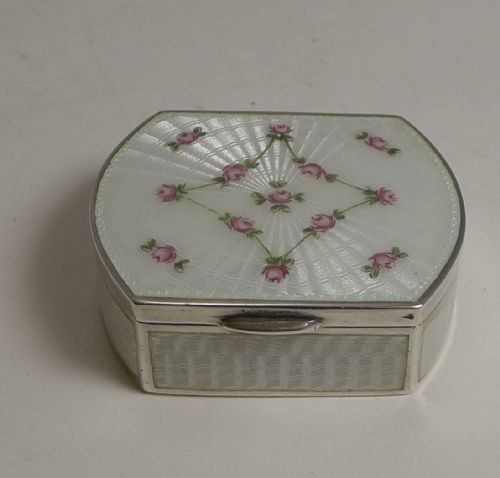


Hand Painted Pill Box
A hand painted pill box offers a small, portable canvas of intricate miniature work designed for the pocket or dressing table.
Hand Painted Pill Box
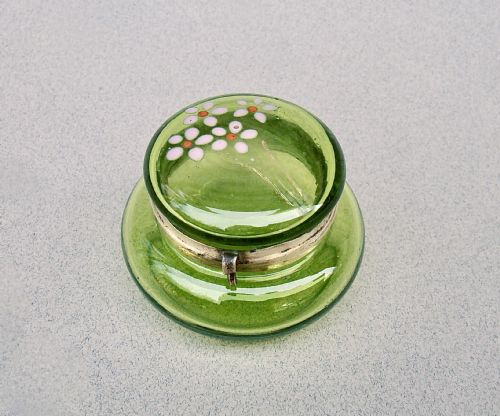
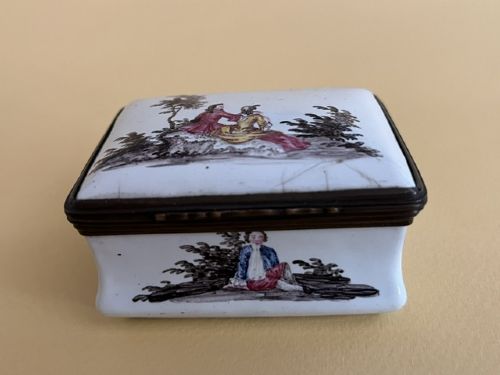
When you search for a hand painted pill box, you encounter small decorative containers intended for medicines, cosmetics, or personal tokens. The pieces gathered here span the eighteenth and nineteenth centuries, taking the form of patch boxes, snuff boxes, and trinket boxes alongside pill boxes proper.
The material origins of these items vary widely, stretching from English copper and enamel workshops to continental papier-mâché, porcelain, and glass. Georgian and Victorian examples dominate, often showing fine hand painting executed directly onto enamel surfaces or moulded into lacquer.
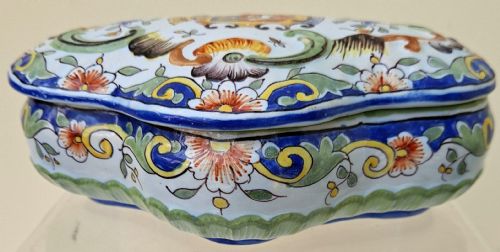
Forms range from simple rectangular receptacles to dome-shaped covers and shaped bonbonniere designs. Many reflect historical revivals, including Rococo and French Empire styles, while others originate from Qing Dynasty production or European ceramic centres.
How They Were Made
Enamel boxes rely on fusing powdered glass onto copper or metal bases through kiln firing, creating a smooth, durable ground for detailed brushwork. Artisans applied miniature painted scenes and portraits by hand using specialised ceramic colours before a final firing fixed the pigments.
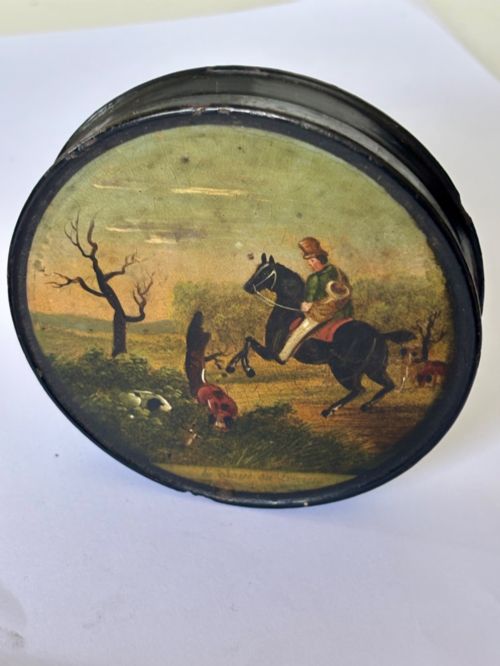
Papier-mâché and lacquer pieces utilised layers of paper pulp or paste combined with binding agents, pressed into moulds, and dried to form rigid structures. These surfaces received multiple coats of lacquer and hand-applied hunting scenes or decorative motifs.
Silver and gilt metal mounts frequently framed enamel plaques and glass vessels, providing structural hinges and clasps. Sterling silver components were often shaped or cast, whilst guilloche enamel work involved engine-turning metal beneath translucent coloured enamels.
Hand Painted Pill Box Retail Price Guide 2026
Typical asking prices for hand painted pill box among the pieces listed under this phrase on Sellingantiques today, from the lower quarter to the upper quarter. They describe what is for sale here now, not the wider market.
Some eighteenth-century patch boxes included hidden interior mirrors specifically designed for checking facial blemishes on the go.
What Varies in Quality
The fineness of the miniature brushwork dictates much of the distinction between ordinary and exceptional pieces. Controlled line work, depth of shading, and the complexity of painted subjects demonstrate the hand of a skilled artisan rather than routine production.
The integrity of the enamel surface and the precision of the metal mounts determine the overall durability and finish. Smooth glaze surfaces free from heavy cracking or extensive firing flaws sit alongside well-aligned hinges and closures that maintain their function over centuries.
The Hand Painted Pill Box Glossary
- Bilston Enamel
- An eighteenth-century English enamel production originating from Staffordshire workshops. These pieces typically feature copper bases coated in white enamel with hand-painted polychrome decoration.
- Guilloche
- A decorative engraving technique in which a precise, intricate pattern is mechanically etched into metal. Translucent enamel is often layered over the top to allow the pattern to show through.
- Bonbonniere
- A small ornamental box intended for holding sweets or sugarplums. They were popular luxury items among the European aristocracy.
- Papier-mâché
- A composite material consisting of paper pieces or pulp reinforced with adhesives. It was moulded and dried to create lightweight snuff boxes and trinket cases before being lacquered and painted.
Hand Painted Pill Box: Frequently Asked Questions
What were hand painted pill boxes used for?
These small containers were carried in pockets or reticules to hold medicinal pills, lozenges, or breath fresheners. Wealthy owners used them to store personal items safely while travelling or attending social gatherings.
Over time, many of these vessels evolved from purely functional items into decorative display pieces for dressing tables and cabinet collections. Their intricate painted lids made them popular gifts and tokens of affection.
How do I clean an antique enamel box?
Enamel surfaces require gentle care to avoid scratching the glass glaze or damaging aged metal mounts. A soft, dry cloth is usually sufficient to remove dust and surface oils from the painted exterior.
Avoid immersing antique metal and enamel pieces in water or using harsh chemical cleaners. Moisture can seep beneath poorly sealed mounts and cause corrosion on the underlying copper or iron bases.
How can I tell an eighteenth century box from a later copy?
Eighteenth-century enamel boxes typically feature hand-beaten copper bases with thick, uneven enamel layers that display natural firing specks and crazing under magnification. The copper hinges and mounts are hand-fitted rather than machine-stamped.
Later reproductions often use heavier machine-made brass or modern alloys with uniform finishes and transfer-printed decoration instead of genuine miniature brushwork. Examining the construction of the hinge and the weight of the metal helps clarify the age.
Are papier mâché boxes fragile?
Papier-mâché is surprisingly resilient when kept dry, but prolonged exposure to moisture can cause the compressed paper layers to swell and warp. The lacquer finish protects the material from light handling but remains vulnerable to deep scratching.
Storing these pieces away from direct sunlight and damp environments preserves both the structural integrity and the hand-painted scenes on the lid. Gentle dusting maintains the surface without wearing down the lacquer.