



Hand Painted Goblets
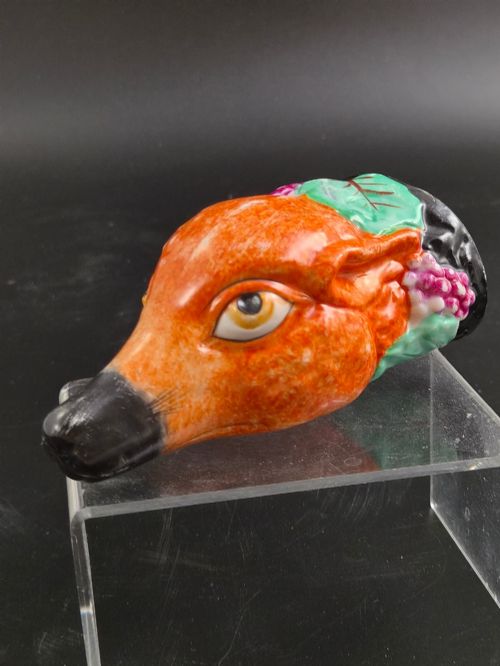
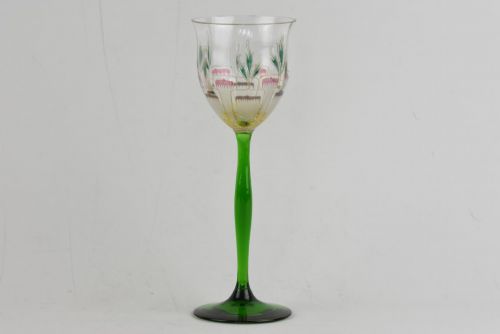
These hand painted goblets bring rich enamel work and painted scenes to the table, offering a vibrant display of historical glass and ceramic craftsmanship.
Hand Painted Goblets
Hand painted goblets encompass decorative glass and ceramic vessels produced across the nineteenth and early twentieth centuries, spanning periods from the Victorian era through Edwardian times and the turn of the twentieth century. These pieces include wine glasses, roemers, hock glasses, and commemorative cups that display detailed enamel and painted decoration.
Collectors encounter various regional styles, including Victorian Bohemian, Art Nouveau, Jugendstil, and German Historicism. Forms vary from functional wine glassware to large decorative vases and presentation cups.
How they were made
Makers utilised blown glass, crystal, and porcelain as the primary base materials for these vessels. Artisans shaped the molten metal by hand before applying surface treatments.
Decoration relied on polychrome enamel, vitreous enamel, and gold leaf or gilding. Painters applied intricate floral, heraldic, and figurative motifs directly onto the glass or ceramic body, often firing the pieces multiple times to set the colours.
Hand Painted Goblets Retail Price Guide 2026
Typical asking prices for hand painted goblets among the pieces listed under this phrase on Sellingantiques today, from the lower quarter to the upper quarter. They describe what is for sale here now, not the wider market.
Listings feature periods from the nineteenth century up to nineteen-ten, utilising materials such as blown glass, porcelain, and vitreous enamel.
What varies in quality
The refinement of the enamel work and the precision of the hand-painted details determine the standing of an individual goblet. Superior examples exhibit crisp linework, deep saturation in the polychrome enamels, and carefully applied gilding that enhances the underlying glass or porcelain.
The complexity of the form and the pedigree of the producing workshop also influence distinction. Triple-cased glass and documented designs from notable makers carry greater artistic ambition than standard production pieces.
Thereisenthal·Lobmeyer·Fritz Heckert·Wemyss·Royal Worcester
The Hand Painted Goblets Glossary
- Roemer
- A traditional Germanic large-bowled drinking vessel, usually made of green forest glass with a prunt-adorned stem. These glasses often feature enamelled heraldic or floral motifs.
- Enamel
- A vitreous composition applied to glass or ceramic surfaces as a form of decoration. Artisans fuse the material to the base through firing.
- Hock glass
- A tall-stemmed wine glass traditionally used for white wine. They frequently showcase coloured bowls and elaborate painted or enamelled ornamentation.
- Cased glass
- Glass formed of two or more distinct layers of different colours. Craftsmen cut through the outer layers to reveal the contrasting colour beneath.
- Armorial
- A decoration featuring coats of arms or family crests. These motifs appear painted or enamelled on commemorative and presentation glassware.
Hand Painted Goblets: Frequently Asked Questions
How do I clean antique enameled glass?
Clean these pieces gently by hand using lukewarm water and a mild detergent. Avoid soaking the glass or using abrasive sponges that might damage the enamel.
Dry the vessel immediately with a soft cloth to protect any gilding and delicate painted surfaces from water spots.
Are these goblets safe for drinking wine?
While many of these vessels were originally made for dining and toast-drinking, antique enamel and old glass require careful handling today. Modern dishwashers and harsh chemicals will ruin the historic painted surfaces.
Consider using them for special occasions or display rather than daily dining to preserve the fragile decoration.
How can I tell Bohemian glass from other types?
Bohemian pieces often feature heavy cased glass, rich green or blue hues, and dense polychrome enamel work. Look for traditional regional shapes like large roemers and deep armorial goblets.
Stylistic influences from German Historicism and Jugendstil frequently appear in this regional production.
What is the difference between enamel and paint?
True enamel consists of powdered glass fused to the surface through heat firing, creating a permanent, glossy bond. Hand painting sometimes involved cold-painted pigments that sit directly on the exterior.
Enamelled decoration typically shows a slight raised texture and superior durability compared to simple surface paint.