




Hand Painted Ginger Jar
A hand painted ginger jar brings centuries of ceramic artistry into a room, offering both sculptural presence and intricate painted detail.
Hand Painted Ginger Jar
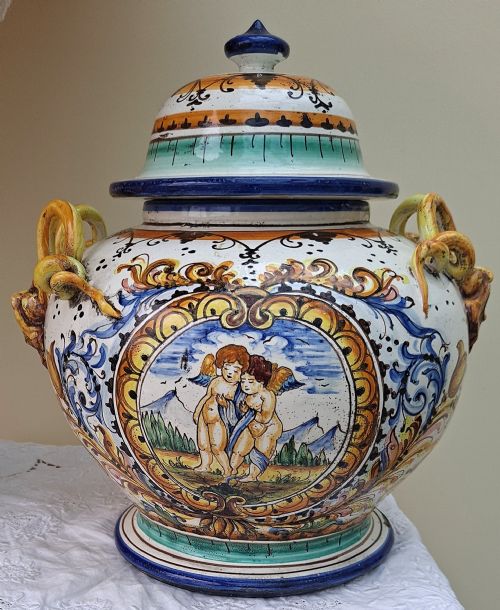
A hand painted ginger jar typically presents a rounded or ovoid body with a matching lid, originally designed for storing spices or herbs before evolving into purely decorative vessels. When searching this phrase, you will most frequently encounter Chinese porcelain and Japanese Imari examples dating from the nineteenth century, alongside European interpretations in delftware and porcelain.
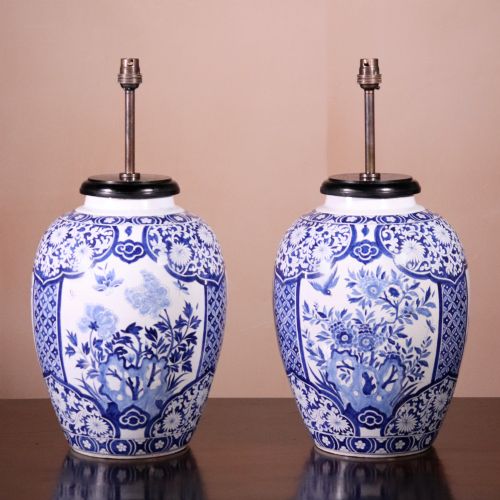
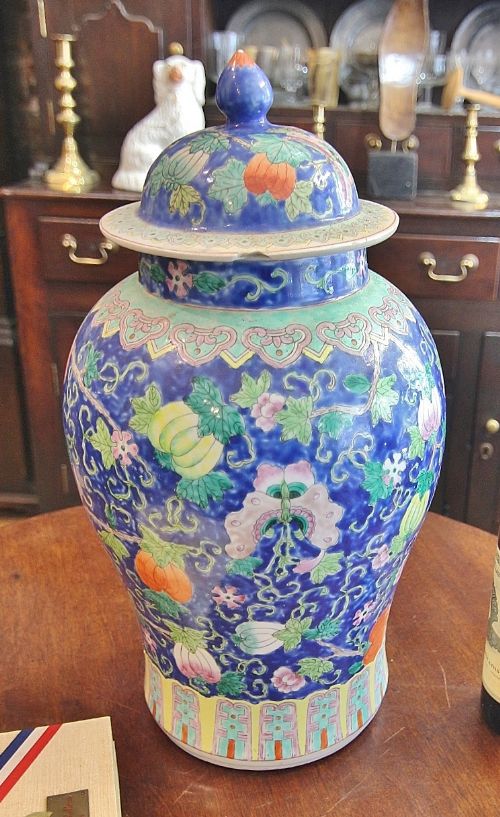
The forms range from compact lidded pots to large baluster vases and converted table lamps, reflecting how makers adapted these vessels for changing domestic interiors. Pieces span multiple periods, from seventeenth-century transitional designs up to mid-twentieth-century English productions, each carrying distinct regional painting traditions.
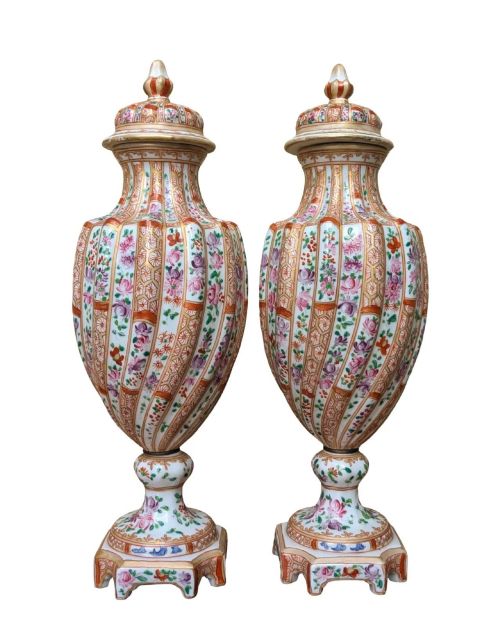
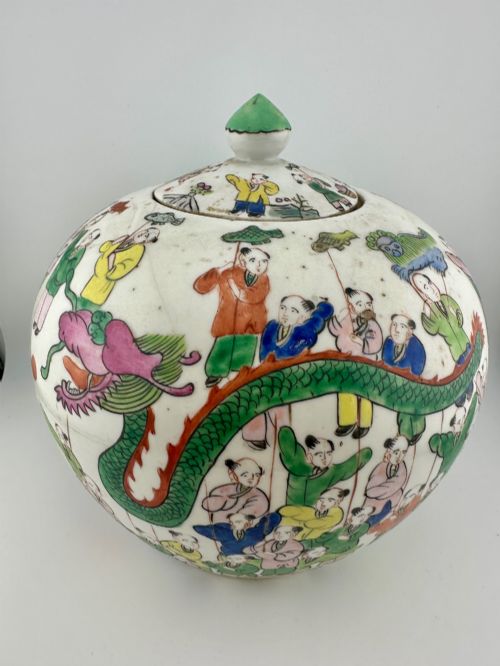
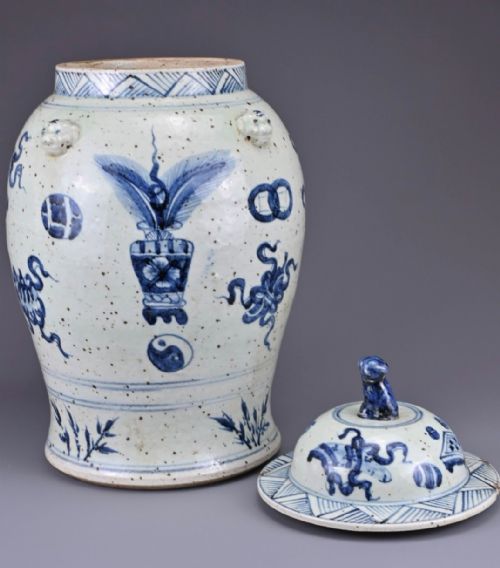
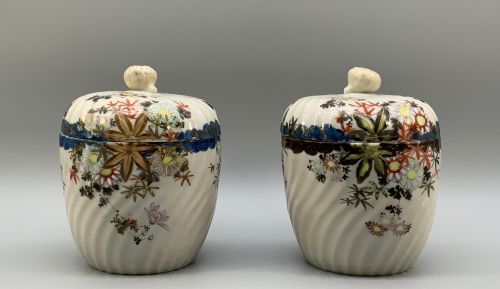
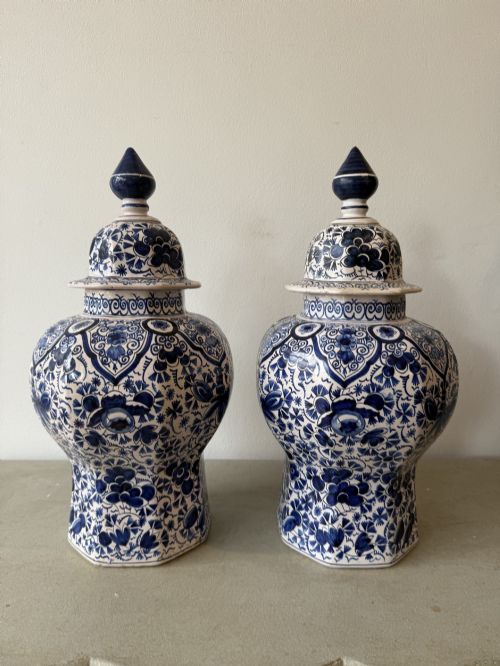
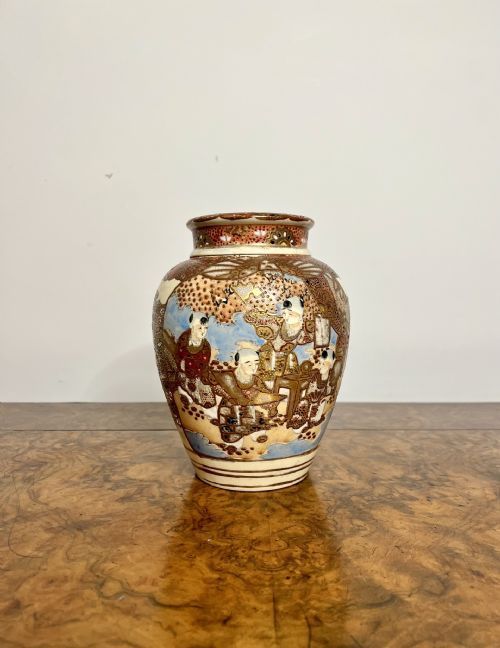
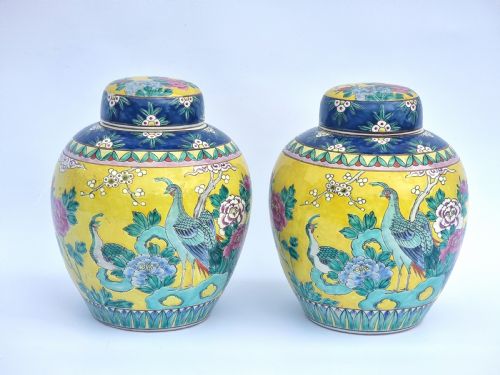
Beyond traditional blue and white underglaze decoration, the selection includes polychrome palettes such as famille rose, famille verte, and vibrant Japanese Satsuma and Kutani wares. These covered jars serve equally well as standalone mantel ornaments or paired decorative accents.
Materials and production techniques
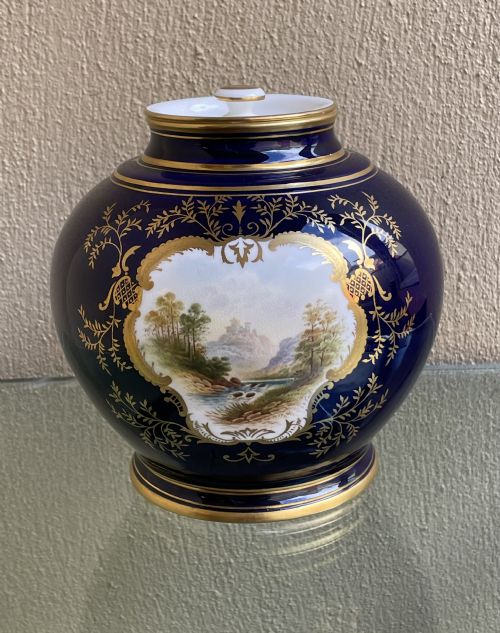
These vessels rely primarily on porcelain, ceramic, or tin-glazed earthenware bodies shaped on the wheel or in moulds before receiving their initial decoration. Artisans applied cobalt blue under the glaze for traditional blue and white schemes, or employed enamel overglazes and gold leaf for richer polychrome effects.
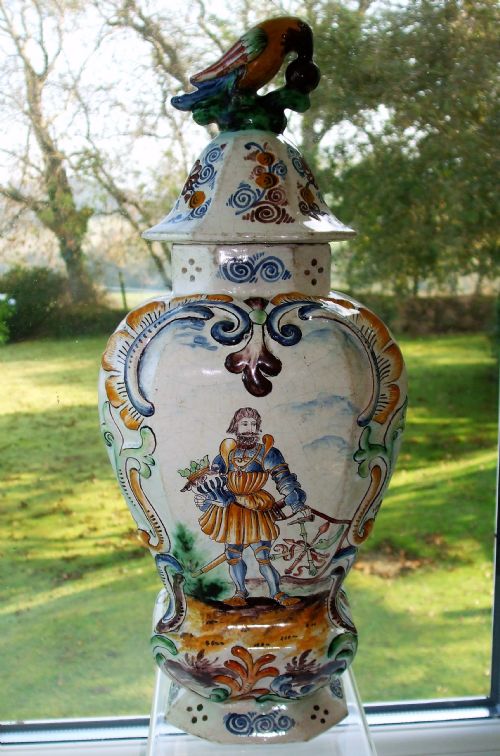
Firing took place in high-temperature kilns that fused the vitreous glaze to the clay body, occasionally requiring multiple firings when complex enamel colours were added over the base glaze. Tin-glazed earthenware, characteristic of delftware production, utilised an opaque white glaze that provided a smooth canvas for subsequent hand painting.
Many of these jars spent centuries masquerading as ginger merchants before settling down as permanent residents of the drawing room.
Distinctions in craftsmanship and design
Quality in these jars rests heavily on the confidence and precision of the brushwork, where swift, expressive strokes distinguish superior painting from mechanical or hurried execution. The harmony of the palette, the clarity of the glaze, and the successful balance of the painted motifs across the curved surface all separate finer examples from standard production.
The survival of the original matching cover adds significantly to the integrity of a piece, as lids were frequently separated or broken over centuries of use. Furthermore, the crispness of moulded details and the refinement of the clay body indicate the care taken by the workshop during initial formation.
Coalport·Royal Winton·Wolfsohn Dresden·Royal Worcester·Samson of Paris
The Hand Painted Ginger Jar Glossary
- Ginger jar
- A covered ceramic vessel featuring a wide-shouldered body and a domed lid, historically used for storage and later valued for ornamental symmetry.
- Underglaze
- Pigment applied directly to the unfired or biscuit ceramic body before a transparent glaze is applied and fired, protecting the painted design beneath a glassy surface.
- Famille rose
- A Chinese porcelain palette introduced in the eighteenth century, dominated by opaque pink enamel alongside other soft polychrome hues.
- Imari
- A Japanese export porcelain style characterised by underglaze blue, iron red, and supplementary gold highlights, produced primarily in the Arita region.
- Tin-glazed earthenware
- Pottery coated with a lead glaze made opaque by the addition of tin oxide, serving as a smooth white ground for painted decoration.
- Baluster
- A tall vase or jar profile featuring a rounded lower body that tapers towards a narrower neck and rim, resembling the shape of an architectural baluster.
Hand Painted Ginger Jar: Frequently Asked Questions
What were ginger jars originally used for?
These vessels were originally made in China to store and transport spices, salt, oils, and ginger.
Over time, their practical utility gave way to decorative appeal, leading to export markets where Western homes displayed them as ornamental mantel and cabinet pieces.
How can I tell Chinese ginger jars from Japanese ones?
Chinese examples frequently utilise cobalt blue underglaze, famille rose enamels, or monochromatic glazes on porcelain bodies with traditional floral or figural motifs.
Japanese pieces, particularly Imari wares, often combine deep underglaze blue with rusty iron red and extensive gold leaf highlights in denser decorative patterns.
Are original lids important for these jars?
Finding a ginger jar with its original matching lid is uncommon because covers were easily separated, dropped, or lost during everyday handling over centuries.
While jars without lids still function as decorative vases, those retaining their correct period covers hold greater completeness for collectors.
How do I safely display a ginger jar at home?
Place jars on stable, flat surfaces away from high-traffic zones where accidental bumps might dislodge the lid or the vessel itself.
Keep them out of direct, harsh sunlight to protect the stability of overglaze enamels and gold leaf highlights over the long term.