




Hand Painted Georgian Table
A hand painted georgian table brings together polished cabinet work and delicate brushwork from the eighteenth and nineteenth centuries.
Hand Painted Georgian Table
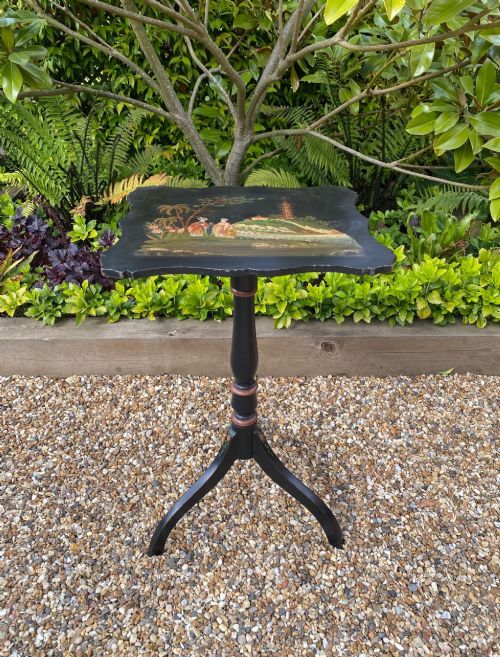
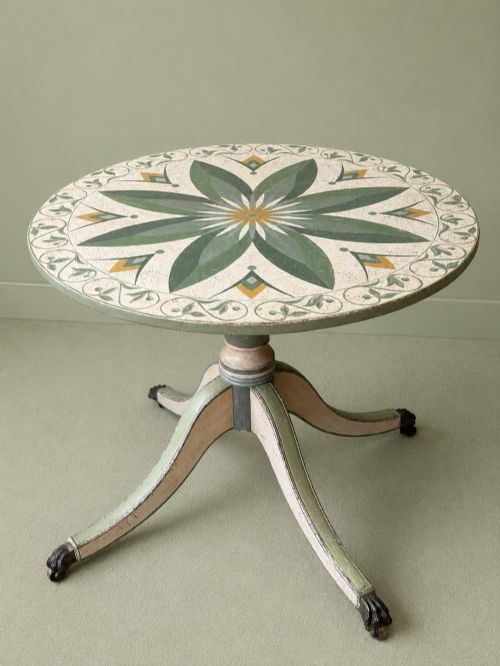
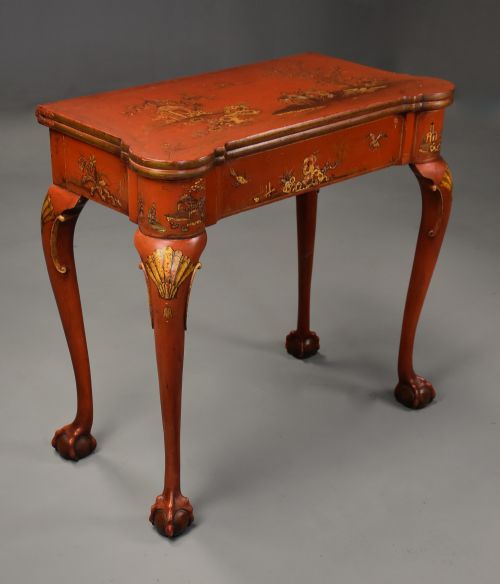
When you search for a hand painted georgian table, you encounter small occasional surfaces, folding card tables, and console tables decorated with pigment. The pieces originating in the Georgian and Regency periods rely on sturdy carcases of mahogany or satinwood beneath the painted decoration.
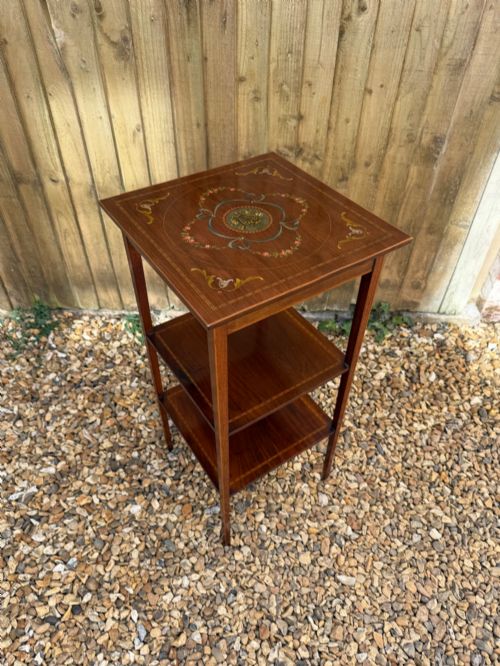
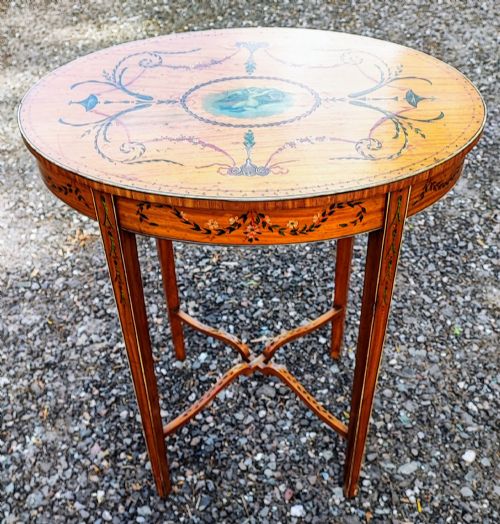
You are most likely to meet satinwood side tables and pembroke tables bearing floral motifs or neoclassical scenes. Some examples pair a Georgian form with later decorative painted work applied to the timber surface.
How they were made
Cabinet makers utilised timbers such as mahogany and satinwood to construct the structural forms, employing veneers for smooth tabletops. Artisans then applied pigments directly to the wood or over a prepared ground, sealing the surface with varnish.
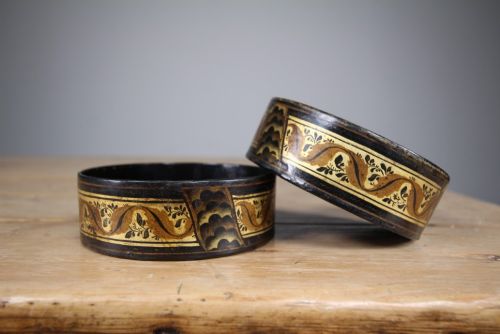
Decoration often involved detailed brushwork depicting floral garlands, geometric borders, or figurative scenes in imitation of lacquer and neoclassical taste.
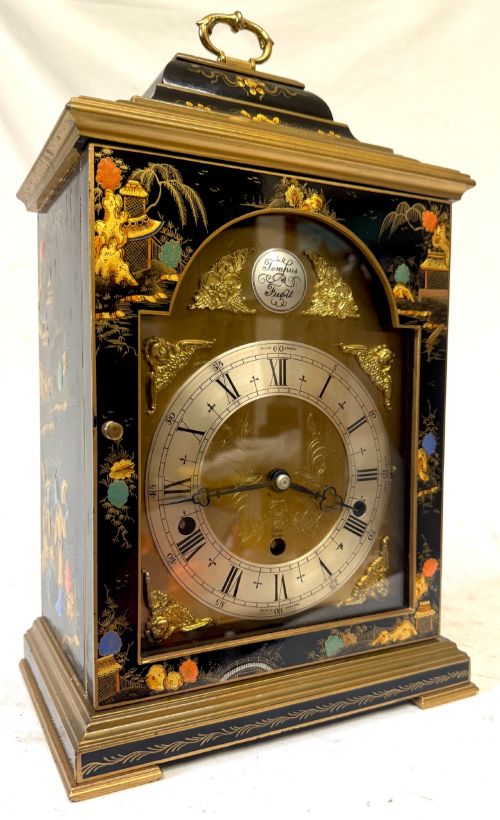
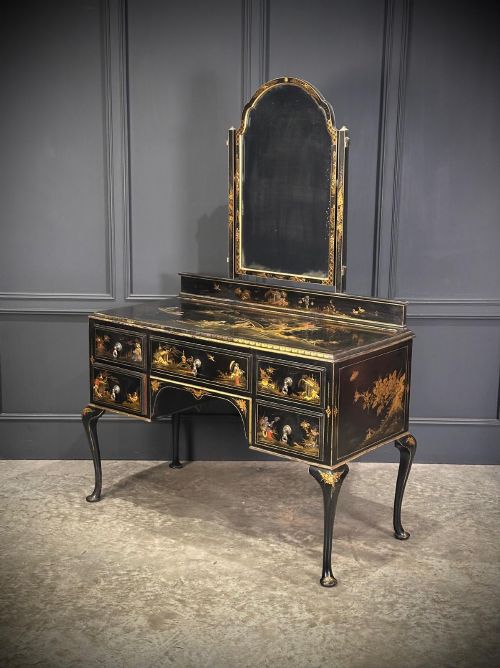
The listings combine mahogany and satinwood carcases with painted, lacquered, and chinoiserie finishes spanning the Georgian and Regency eras.
What varies in quality
The distinction between tiers rests upon the harmony between the cabinet maker's joinery and the painter's brush. Superior examples display crisp timber preparation and confident, fluid pigment application that complements the proportions of the table.
Lesser items may show a disconnect where standard timber receives later or heavier decorative paint that obscures the grain and alters the intended balance of the piece.
Edwards and Roberts·John Davenport of Longport·Miles Mason·Ridgway·Chelsea Derby·Minton
The Hand Painted Georgian Table Glossary
- Satinwood
- A light yellowish timber prized for its smooth grain and used extensively for high-status tables. It provides a pale ground that accepts delicate painted decoration.
- Pembroke table
- A small rectangular drop-leaf table with hinged flaps on either side. These domestic pieces were easily moved around a room.
- Card table
- A hinged folding table designed for gaming or social gatherings. The top opens to reveal a baize-lined surface.
- Chinoiserie
- European interpretations of Chinese and East Asian artistic styles. This aesthetic appears on lacquered and painted furniture surfaces.
- Neoclassical
- A style drawing inspiration from classical antiquity, featuring symmetrical motifs, urns, and swags. It heavily influences Georgian decorative schemes.
Hand Painted Georgian Table: Frequently Asked Questions
Are painted surfaces original?
Many pieces combine original eighteenth-century or nineteenth-century cabinet work with decorative paint applied during a later period.
Examining the wear beneath the varnish helps determine whether the pigment and timber share the same era.
How do I care for satinwood?
Satinwood requires gentle dusting with a dry cloth and protection from direct sunlight to preserve the pale tone.
Avoid liquid polishes that can penetrate the protective varnish and damage the underlying painted decoration.
Where were card tables placed?
These folding tables stood against drawing room walls when closed to save space. Hostesses opened them into the centre of the room for evening card games.
The hinged leaves folded out to create a stable playing surface supported by swing legs.
What defines neoclassical tables?
Neoclassical pieces feature restrained geometric lines, symmetrical floral swags, and urn motifs derived from classical architecture.
Painted details on these tables mimic archaeological discoveries popular during the late eighteenth century.