


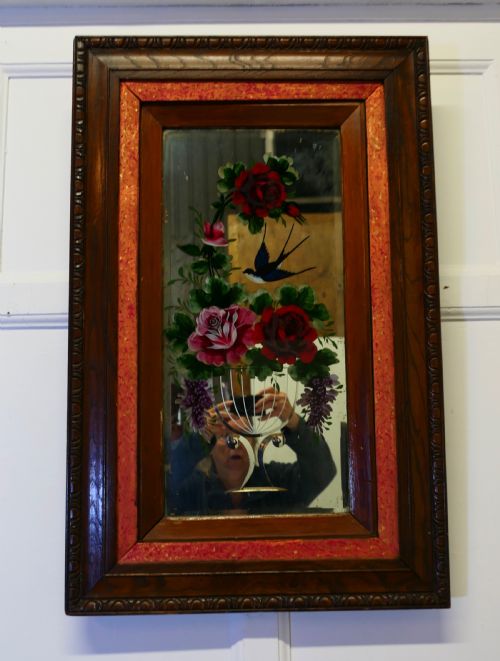


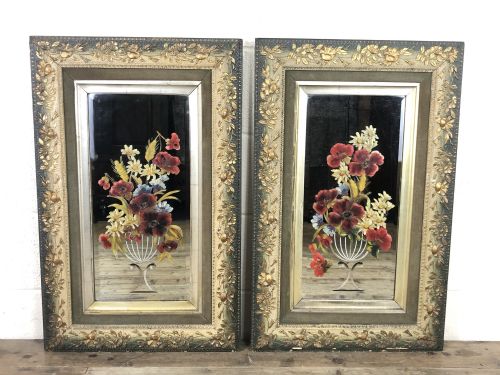

Hand Painted Floral Mirror
A hand painted floral mirror brings delicate colour and botanical detail to a room, offering both useful reflection and traditional decorative charm.
Hand Painted Floral Mirror
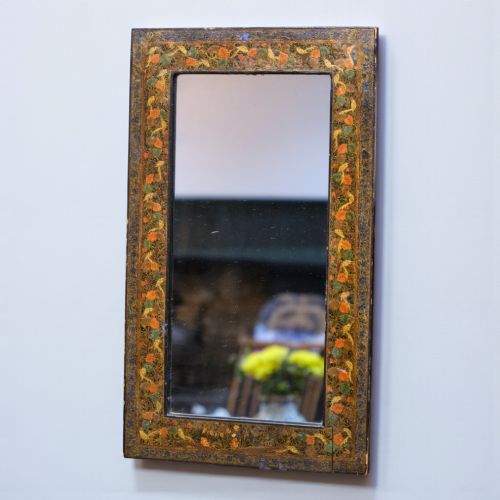
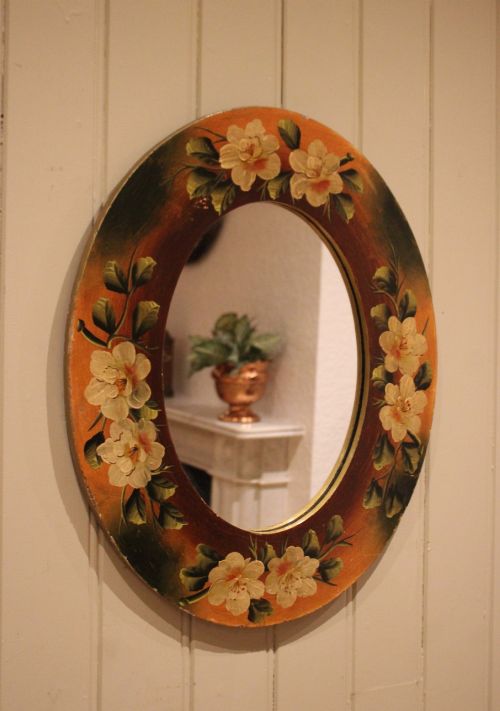
When you search for a hand painted floral mirror, you encounter pieces intended for wall hanging or placement over mantels. These items bring painted botanical motifs and floral decoration directly onto the surface or frame.
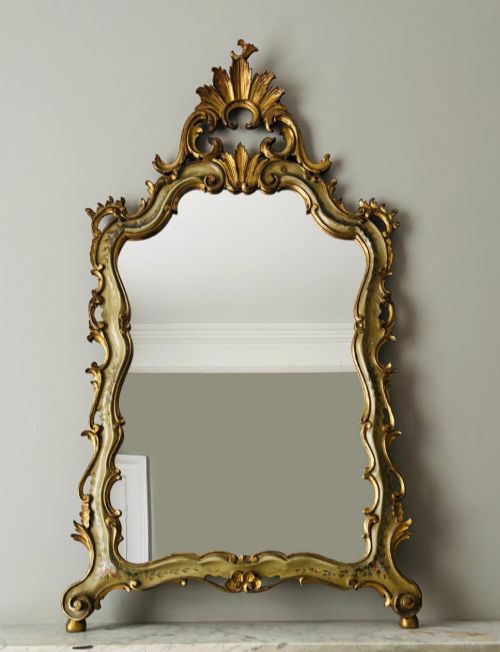
The versions most likely to appear on this page include wall mirrors, overmantel mirrors, and pier glasses originating from the nineteenth century up to the early twentieth century. Examples range from Italian Rococo and French Country designs to Victorian aesthetic pieces.
How they were made
Craftsmen built the foundations of these items using wood, ebonised wood, and gesso, often applying gilt finishes or traditional paint layers to the wooden frames. Mirror glass and painted glass provided the reflective surfaces necessary for daily use.
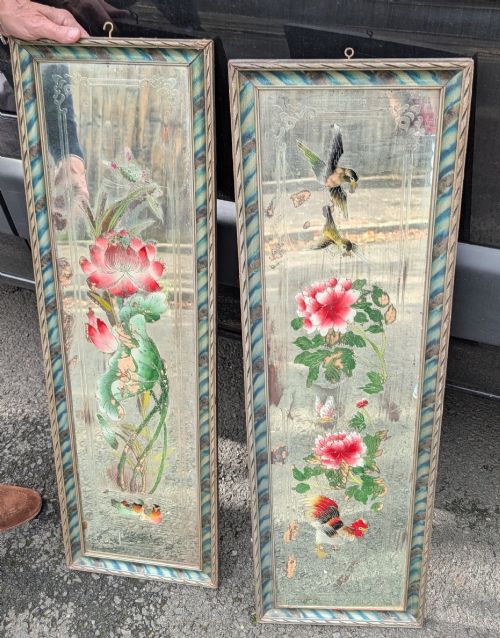
Decoration relied on skilled hand painting, reverse painting, and etching techniques to apply floral motifs, roses, and foliate panels directly onto glass or silk. Artisans combined these painted elements with carved wooden structures to achieve distinct styles like Italian Rococo and Chinoiserie.
Current listings feature materials including glass, paint, wood, mirror glass, ebonised wood, gesso, silk, and painted wood across the nineteenth and early twentieth centuries.
What varies in quality
Quality rests upon the fineness of the hand painted floral detail and the execution of the botanical motifs across the glass or frame. Superior examples display precise brushwork and delicate rendering of roses and foliage.
The integrity of the underlying materials, whether carved wood, gesso, or ebonised wood, dictates the longevity and structural character of the piece. Finer works integrate the painted panels harmoniously with the overall frame design, distinguishing them from simpler decorative items.
The Hand Painted Floral Mirror Glossary
- Pier glass
- A tall mirror designed to hang on the pier or wall space between windows. These pieces often feature elaborate painted frames and served both decorative and light-reflecting purposes in traditional interiors.
- Overmantel mirror
- A large mirror intended for placement directly above a fireplace mantel. They typically span considerable width and anchor the visual weight of a chimney breast.
- Reverse painting
- A technique where the artist paints directly onto the back of the glass, viewing the finished image through the front. This method protects the pigment and produces a glossy finish.
- Gesso
- A plaster-like mixture applied to wood frames to create a smooth surface for gilding or painting. It allows craftsmen to model intricate relief details before adding colour.
- Aesthetic Movement
- A nineteenth-century design ethos emphasising visual beauty over narrative or moral function. Pieces from this movement often feature refined floral decoration and artistic craftsmanship.
Hand Painted Floral Mirror: Frequently Asked Questions
Where should I hang a floral mirror?
These mirrors suit spaces where reflected light enhances the room, such as above a mantelpiece or on a prominent wall. They work well as focal points in drawing rooms or bedrooms.
Consider the surrounding colour scheme to let the painted floral details stand out against the wall surface.
How do I identify a Victorian mirror?
Victorian pieces often feature specific decorative movements, dark ebonised woods, or gesso work reflecting the tastes of the nineteenth century. Examining the construction methods and framing styles helps determine the period.
Look for traditional fixings and materials typical of nineteenth-century workshop practices.
What is a pier glass?
A pier glass is a tall, vertical mirror traditionally hung on the narrow wall space between two windows. These mirrors were designed to maximise natural light in period rooms.
They often incorporate detailed frames and painted panels that complement the interior architecture of nineteenth-century homes.
How are painted glass panels cleaned?
Cleaning requires gentle care to avoid disturbing the hand-painted floral motifs or reverse painted surfaces. Use a soft, dry cloth for dusting and avoid harsh chemical cleaners.
Keep moisture away from the edges of the glass and the painted areas to preserve the integrity of the artwork.