
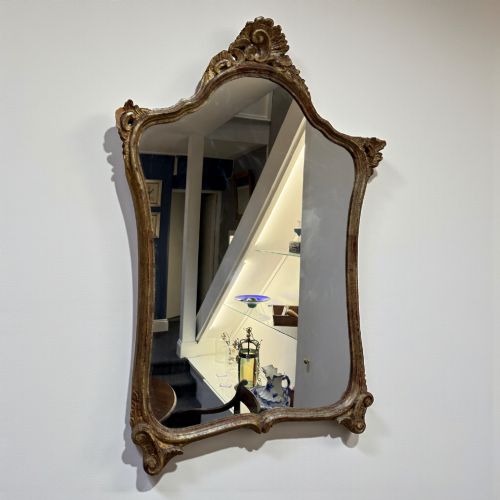
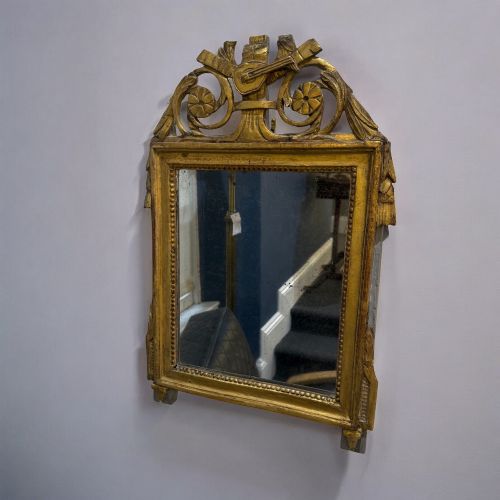
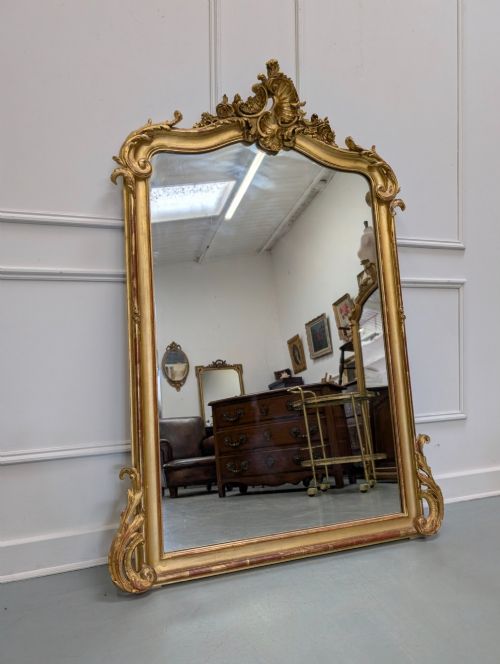
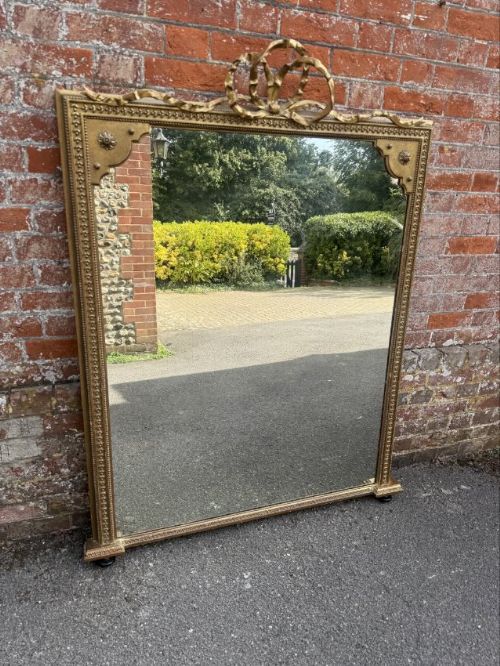
Carved Leaf Crest Mirror
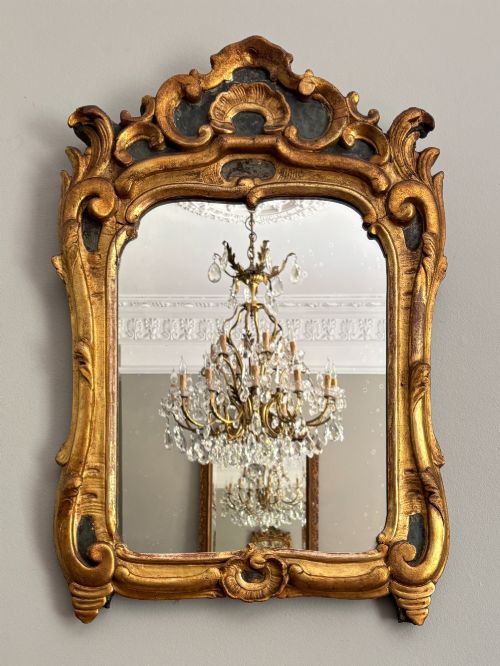
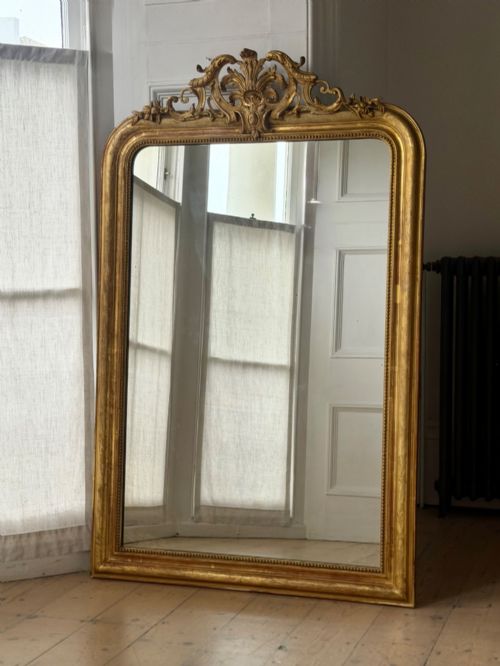
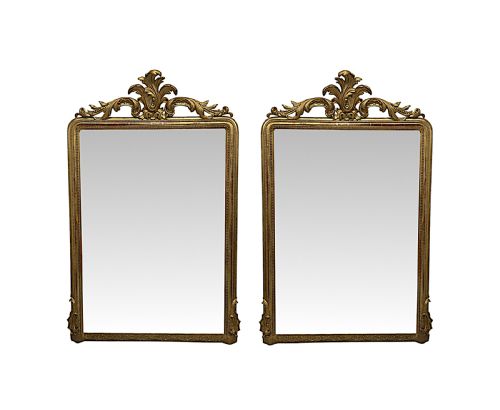
A carved leaf crest mirror brings organic movement and historical depth to a room through gilded wood and shaped glass.
Carved Leaf Crest Mirror
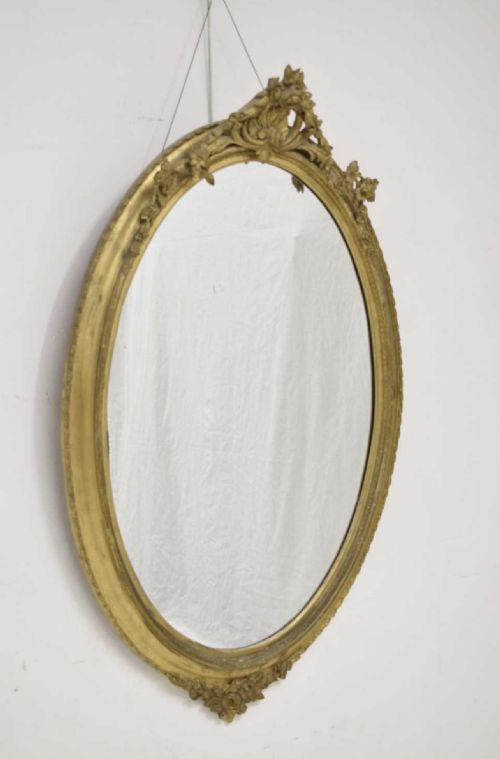
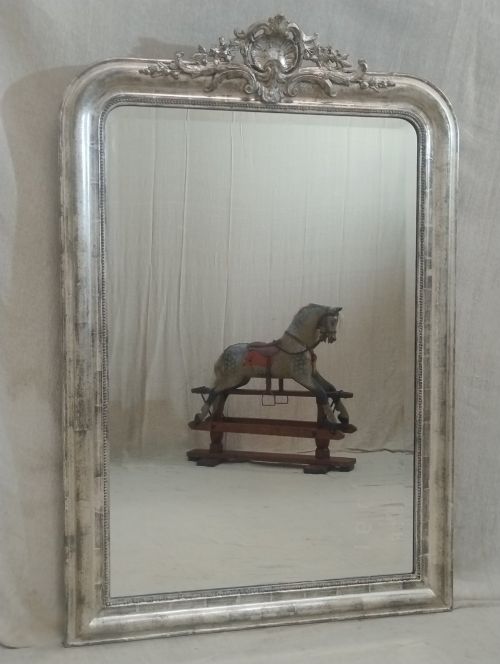
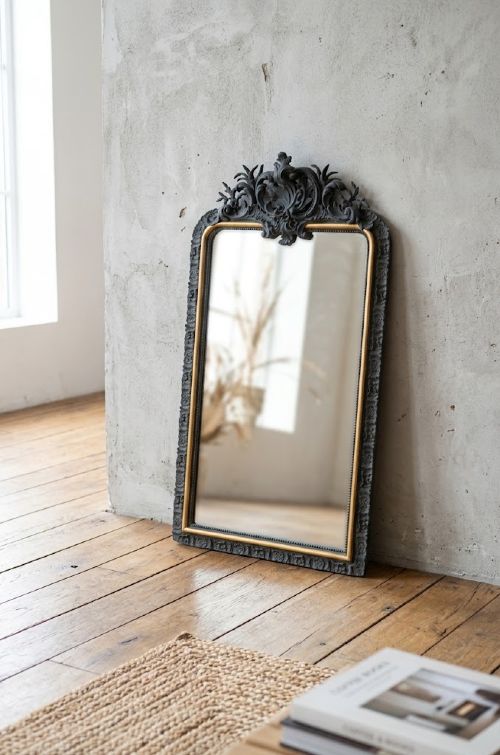
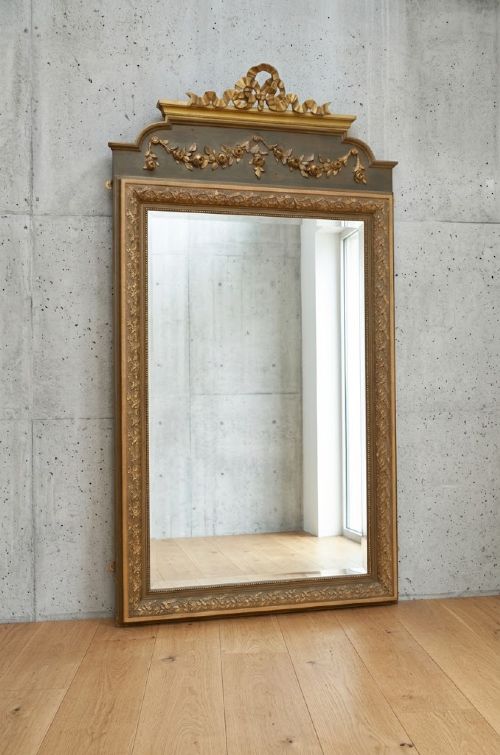
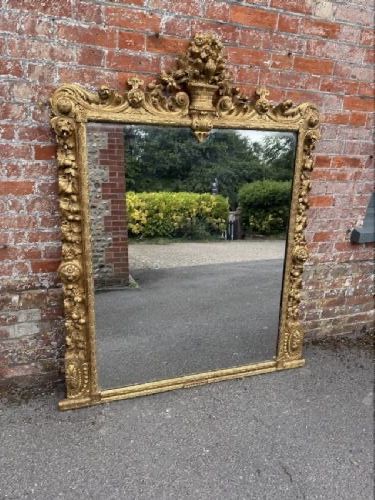
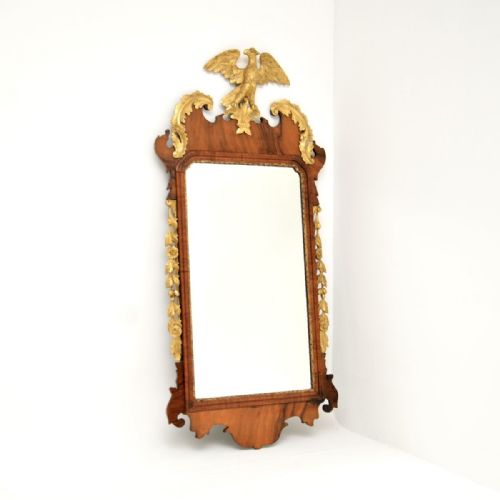
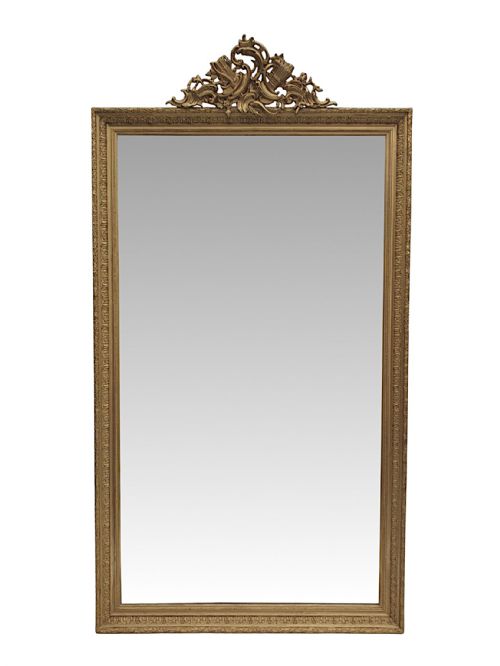
A carved leaf crest mirror is a framed reflective glass piece featuring foliage motifs carved into its upper wooden frame. These pieces serve primarily as decorative wall ornaments or functional looking glasses above mantelpieces and consoles.
The selections available here stem predominantly from the nineteenth century, encompassing Regency, Victorian, and Belle Époque eras. French and English origins dominate the selection, spanning styles from Louis XVI to French Rococo Revival.
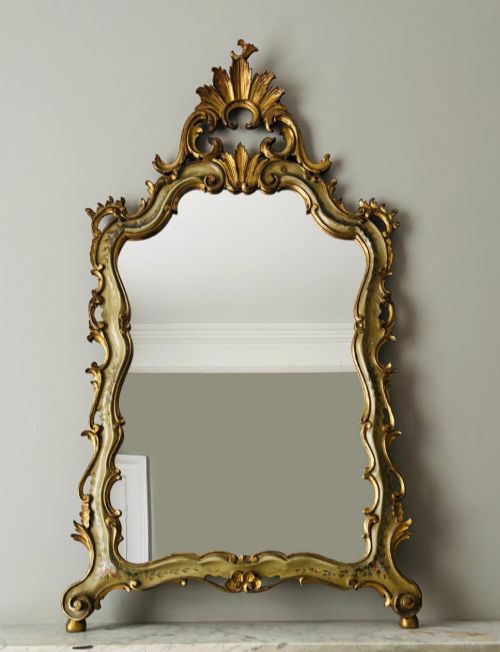
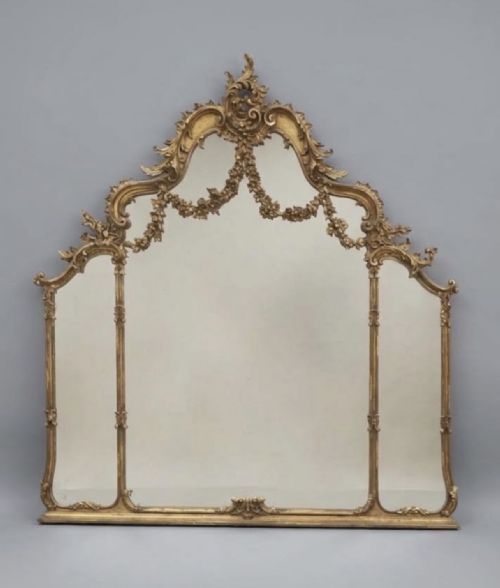
Common forms on this page include large overmantel mirrors, taller pier mirrors, and smaller wall-hung ovals. Many incorporate architectural arches, shaped tops, or convex plates framed by giltwood and gesso.
How they were made
Makers constructed the structural frames using timber such as mahogany or pine, which provided a stable foundation for intricate ornamentation. Artisans then applied layers of gesso, a plaster-like mixture, directly onto the wood to build up relief details.
Gilded finishes were achieved by applying thin sheets of gold leaf or silver leaf over the prepared gesso surfaces. Alternatively, some surfaces received paint layers or combined gilding with olive green and painted highlights.
Certain nineteenth-century convex mirrors include curious dragon motifs perched atop the frame to ward off unwanted spirits.
What varies in quality
The depth and definition of the carved foliage dictate much of the visual merit. Crisp, undercut leaf motifs carved directly into solid wood demonstrate superior craftsmanship compared to heavily moulded gesso over simpler timber bases.
The integrity of the reflective plate contributes significantly to the character of the piece. Original mirror glass, mercury plates, and bevelled edges show distinct ageing patterns that separate unaltered period examples from later replacements.
The Carved Leaf Crest Mirror Glossary
- Giltwood
- Wood that has been coated with gold leaf or metal leaf. This finish gives the frame a luminous metallic sheen.
- Gesso
- A mixture of binder mixed with chalk, gypsum, or pigment. Artisans used this substance to build up sculptural details before applying leaf.
- Overmantel mirror
- A large glass designed to hang specifically above a fireplace mantel. These often feature wide horizontal proportions.
- Convex mirror
- A round looking glass with a curved outward surface. This shape provides a wide-angle reflection of the interior space.
- Pier mirror
- A tall narrow glass designed to hang on the wall space between two windows. They often match the height of adjacent architectural elements.
Carved Leaf Crest Mirror: Frequently Asked Questions
Where should I hang an overmantel mirror?
These large pieces sit naturally above a fireplace mantel to reflect light and anchor the room's main focal point. They also function effectively above low sideboards or console tables.
Ensure the wall fixings match the substantial weight of the timber and gesso frame. Secure the piece firmly to wall studs for safety.
How do I identify a period frame?
Examine the construction methods visible on the reverse of the timber frame, alongside the composition of the gesso layers. Hand-carved elements show tool marks and natural variations absent in modern reproductions.
The glass plate often reveals age through slight foxing or distortion. Original backboards and old fixings also provide clues to the age of the piece.
What is the difference between giltwood and painted mirrors?
Giltwood frames feature metallic leaf applied over gesso to create a reflective golden surface. Painted versions incorporate pigments, such as olive green or monochromatic tones, sometimes alongside partial gilding.
Both finishes were used across the nineteenth century depending on prevailing interior fashions. French and English makers utilised both techniques to achieve distinct decorative effects.
How do I care for antique mirror glass?
Clean the glass gently using a soft dry cloth to remove dust. Avoid harsh chemical sprays that might seep behind the frame and damage the silvering or foil backing.
Protect the gilt surface from direct moisture and strong sunlight. Stable indoor humidity prevents the wooden substrate from expanding or cracking the gesso.