
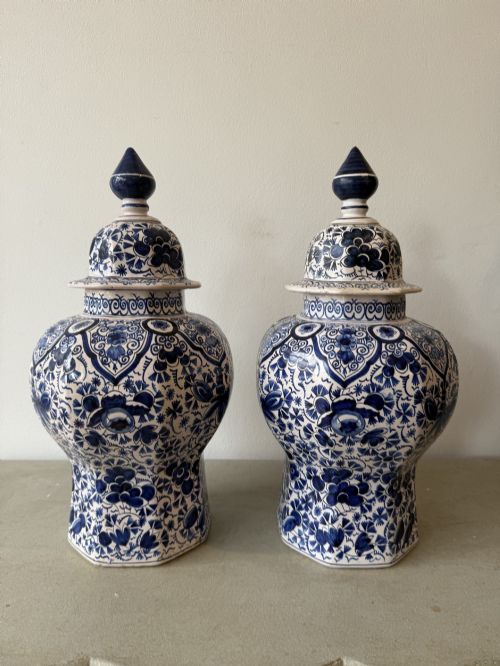


Hand Painted Delftware Vase
A hand painted delftware vase brings tin-glazed earthenware and cobalt pigment into a room, offering centuries of ceramic tradition.
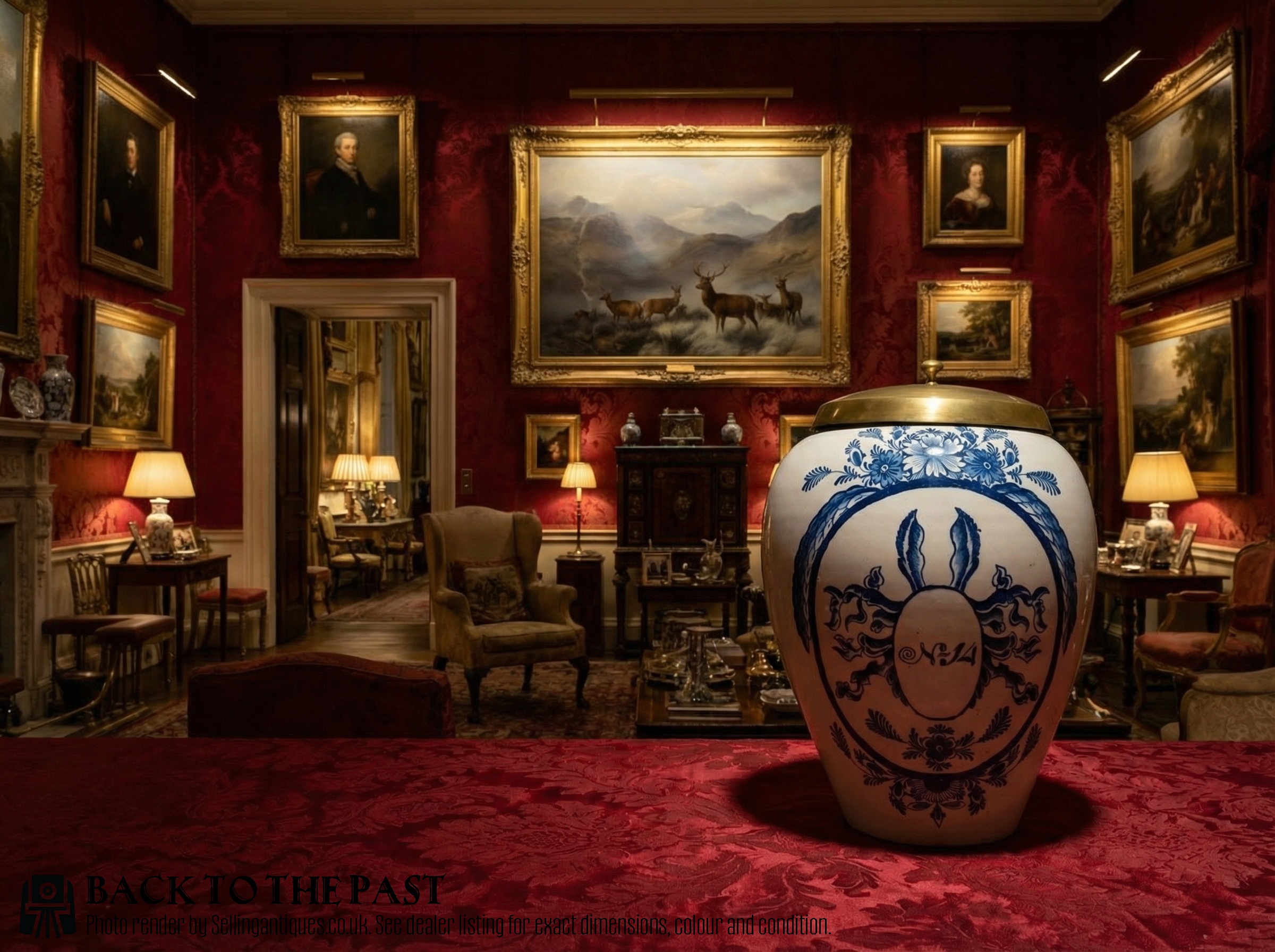
Hand Painted Delftware Vase
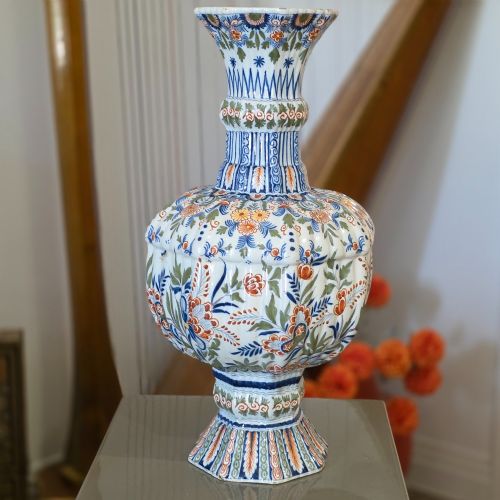
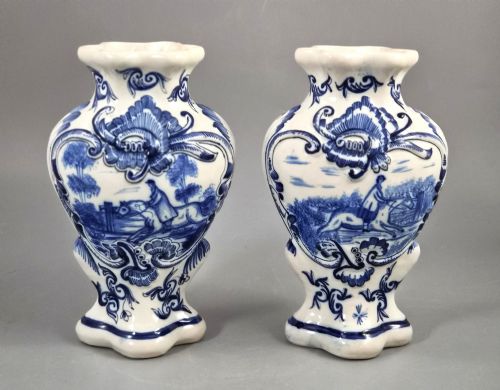
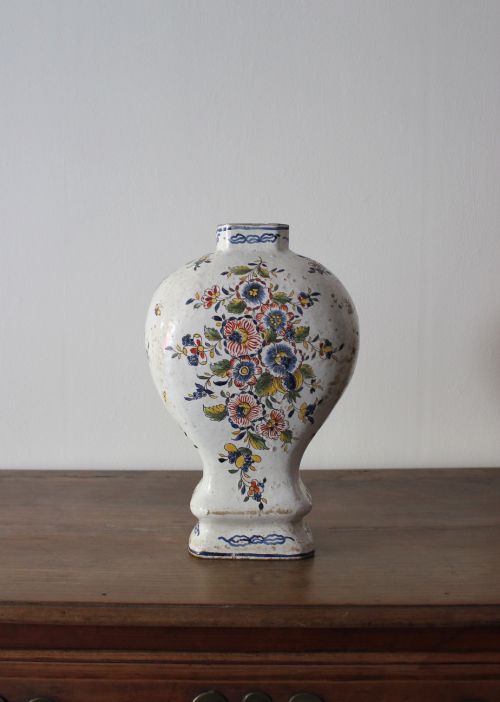
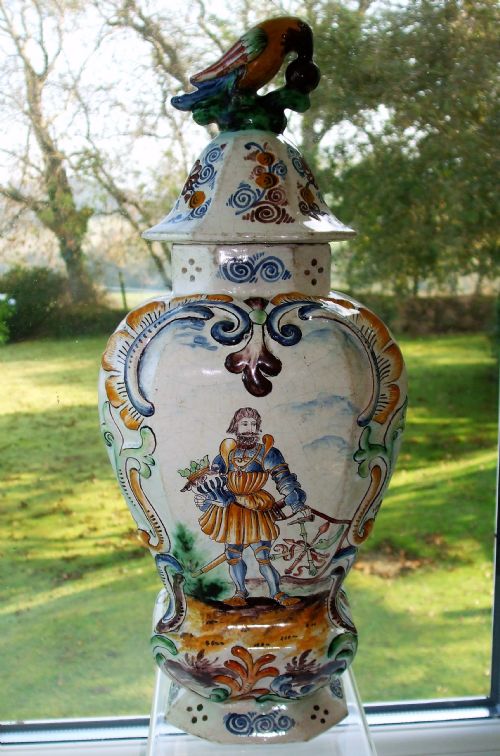
When you search for a hand painted delftware vase, you encounter tin-glazed earthenware shaped into baluster jars, beakers, lidded vessels, and garden urns. These pieces span from the seventeenth century through to the nineteenth century, reflecting Dutch, English, and French origins.
The version you are most likely to meet on this page is the eighteenth century blue and white baluster or lidded vase, alongside converted table lamps and polychrome examples. Styles range from Dutch Baroque and Chinoiserie to French Rococo Revival.
Makers and potteries such as Fourmaintraux-Courquin and Lambeth Pottery appear in the records, sitting alongside pieces bearing the marks of Louis Victor.
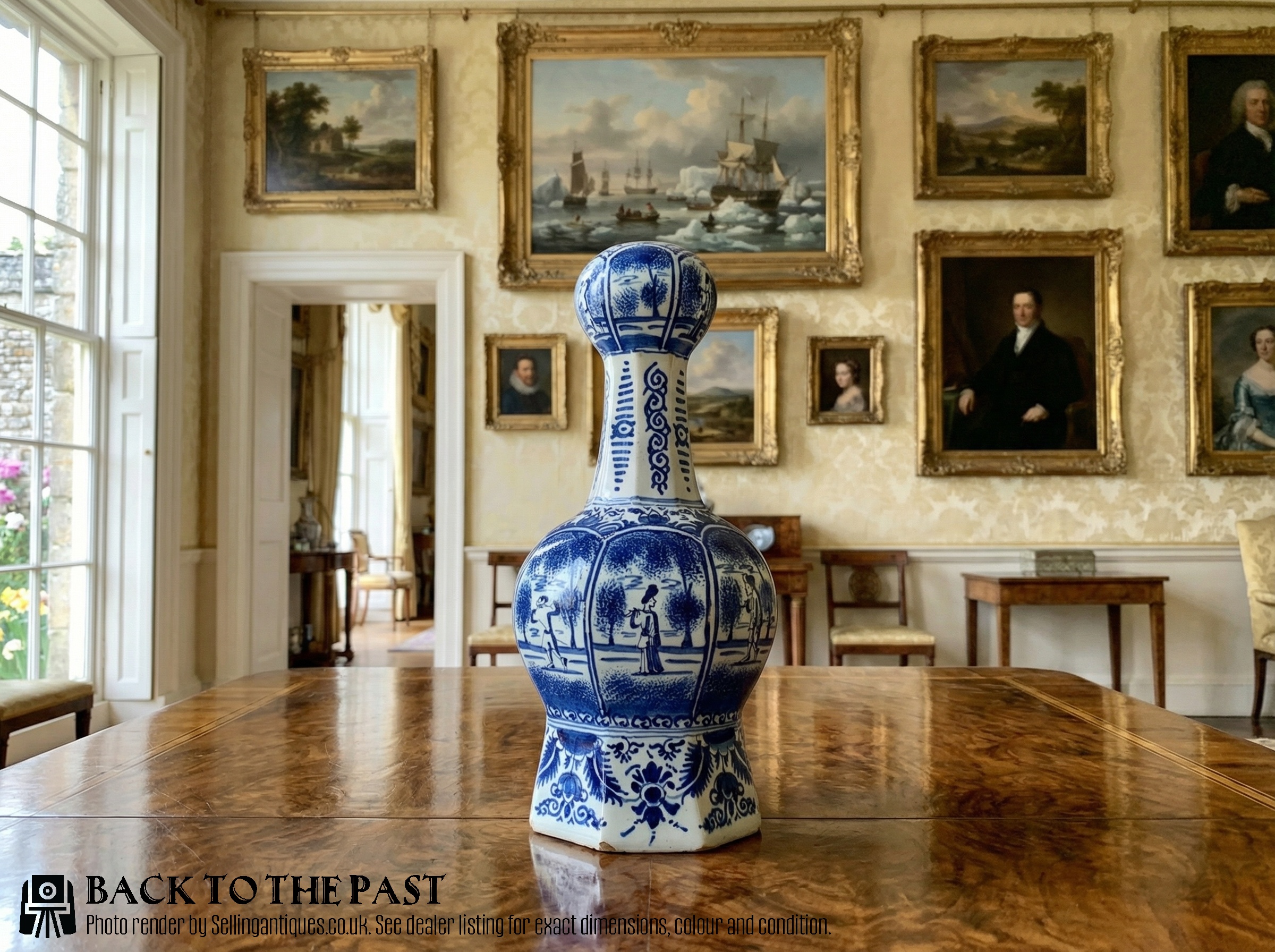
Markers of Quality
The distinction between ordinary and exceptional pieces lies in the crispness of the hand painted cobalt pigment and the consistency of the tin glaze across the earthenware body. Early seventeenth century Chinoiserie details and balanced proportions elevate certain baluster vessels and lidded jars above standard production.
Condition matters, particularly regarding the preservation of the delicate tin glaze on antique garden urns, jugs, and vases. Alterations such as conversions into table lamps influence how collectors assess the integrity of the original ceramic form.
Listings feature tin-glazed earthenware and ceramic objects spanning the seventeenth, eighteenth, and nineteenth centuries, alongside brass elements on specific lamps.
Fourmaintraux-Courquin·Lambeth Pottery·Louis Victor
The Hand Painted Delftware Vase Glossary
- Tin-Glazed Earthenware
- Earthenware pottery covered with a tin oxide glaze that provides a white, opaque background for painting. This surface defines the visual character of delftware.
- Baluster Vase
- A vessel with a rounded body that tapers toward the neck, often seen in seventeenth and eighteenth century forms. These shapes frequently feature blue and white Chinoiserie decoration.
- Polychrome
- Decoration employing multiple colours rather than a single pigment. In delftware, this involves hues alongside the standard cobalt blue.
- Chinoiserie
- European artistic styles reflecting Chinese motifs and decorative schemes. This aesthetic appears frequently on Dutch delftware vases.
- Faience
- European tin-glazed earthenware, particularly associated with French and continental production. Examples include pieces from Desvres.
Hand Painted Delftware Vase: Frequently Asked Questions
How do I identify a seventeenth century delft vase?
Seventeenth century pieces often display Dutch Baroque or Chinoiserie motifs executed in cobalt pigment on tin-glazed earthenware. The forms tend to include robust baluster or beaker shapes.
Examination of the glaze thickness and the style of the hand painted birds and flowers helps separate these early vessels from later nineteenth century interpretations.
Were all delftware vases made in Holland?
While Dutch Delft is prominent, production also took place in England, notably at Lambeth Pottery, and in France through workshops like Desvres. Each region developed distinct palette preferences and decorative styles.
English and French examples sit alongside traditional Dutch pieces in the historical record, sharing the core tin-glazed earthenware technique.
What is the difference between blue and white and polychrome delft?
Blue and white delft relies exclusively on cobalt pigment applied to the white tin glaze, heavily influenced by imported Chinese porcelain. Polychrome delft incorporates additional pigments to create multi-coloured floral or figural scenes.
Both decorative approaches were utilised across various centuries, though blue and white remains the most commonly encountered style.
How should I care for an antique delft vase?
Display the ceramic away from direct sunlight and areas subject to sudden temperature fluctuations to protect the fragile tin glaze. Dust the surface gently with a dry, soft cloth.
Avoid using water or liquid cleaners, particularly on pieces that have been converted to table lamps or possess historic repairs.