

Hand Painted Cup
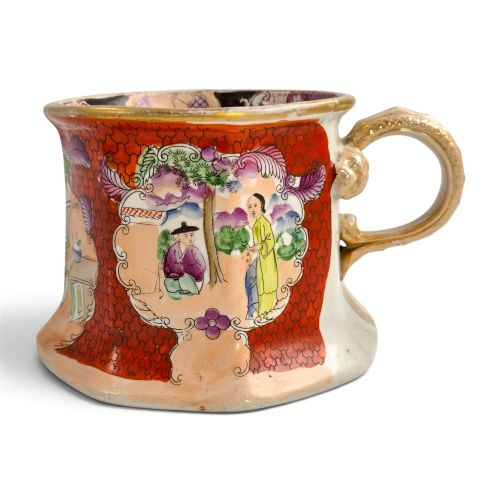
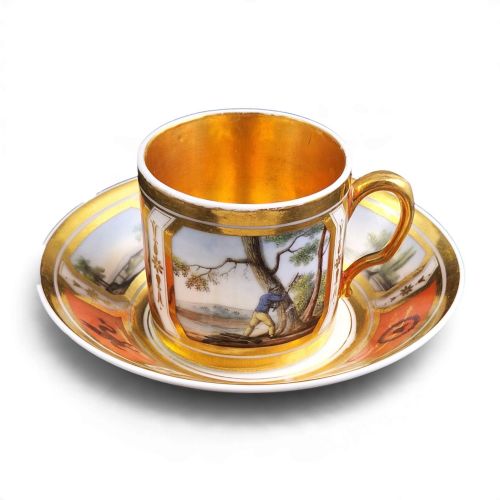
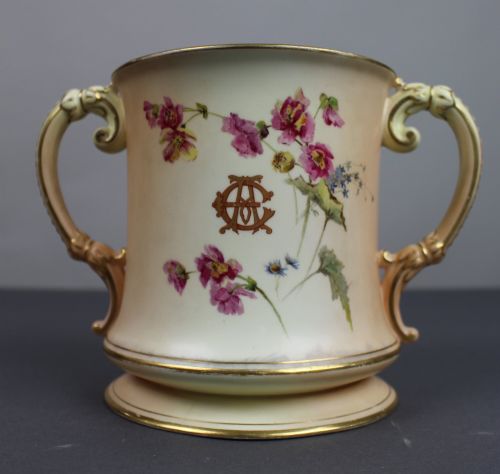
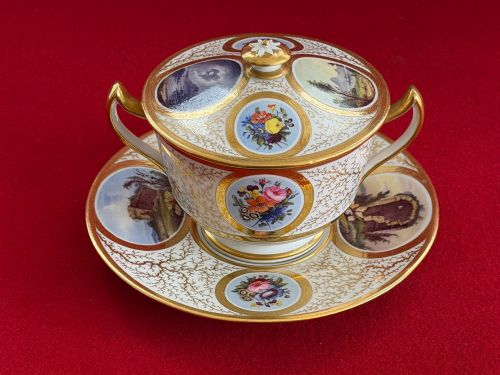
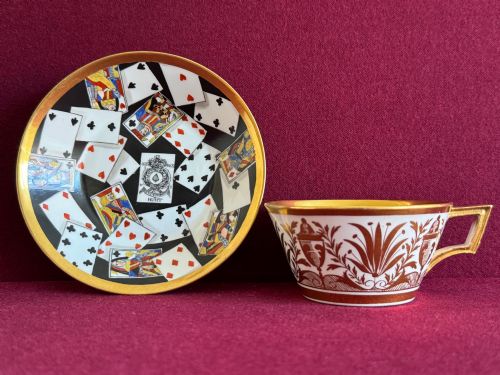
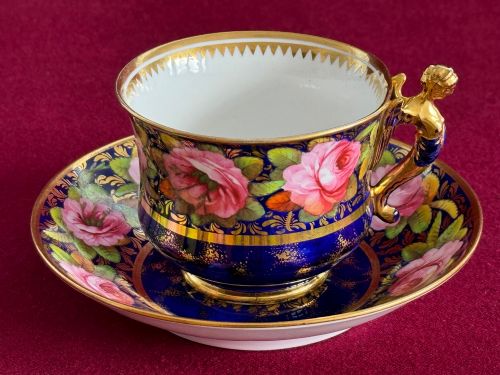
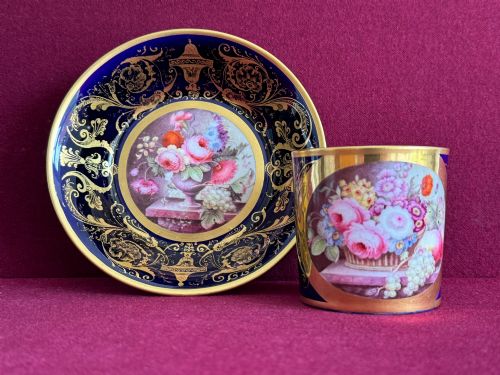
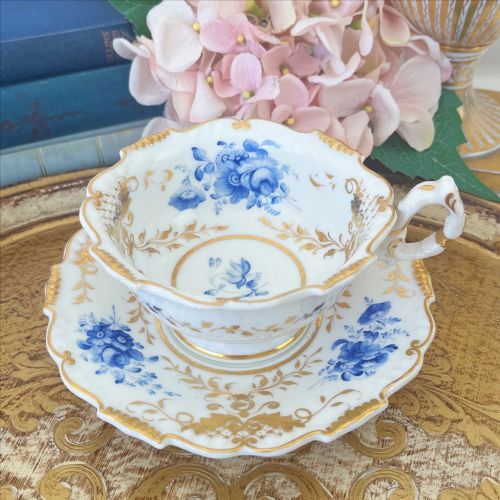
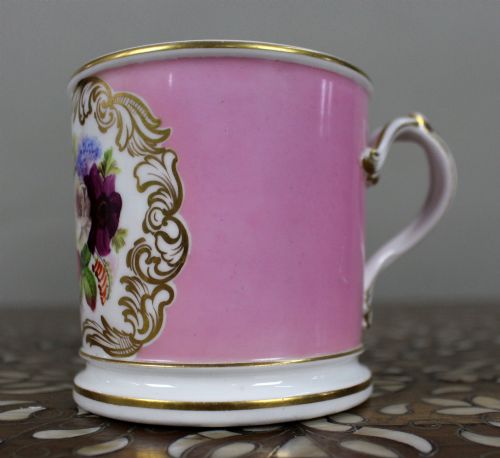
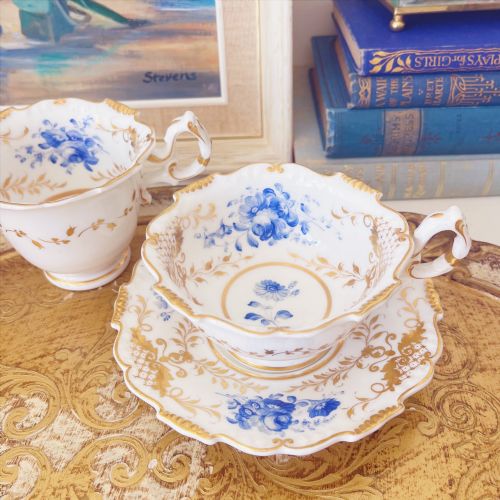
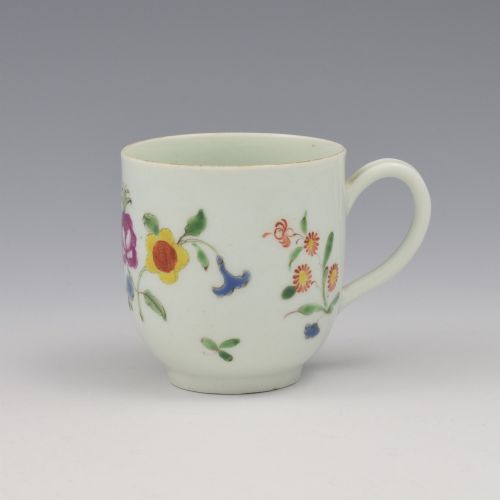
When you search for a hand painted cup, you meet ceramic vessels carrying miniature landscapes, botanical studies and gilded motifs executed by hand across the eighteenth and nineteenth centuries.
Hand Painted Cup
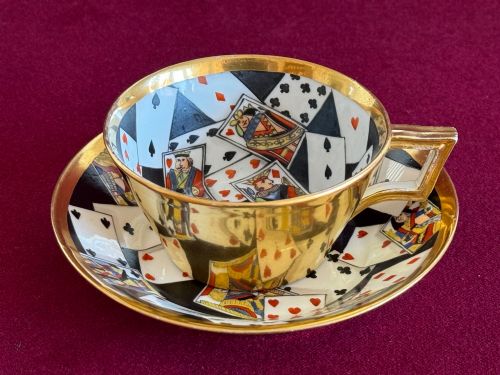
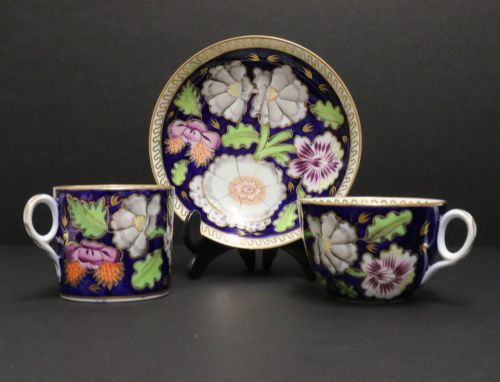
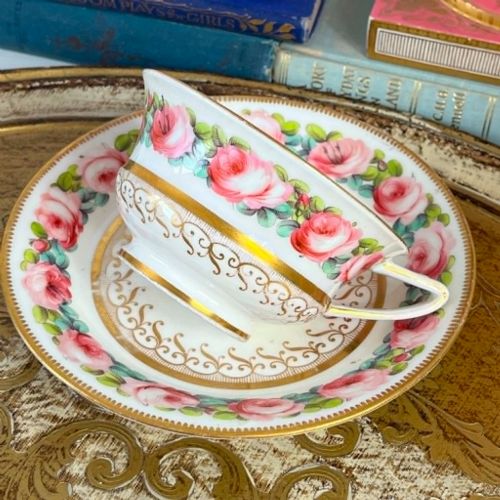
A hand painted cup encompasses teacups and saucers, coffee cans, chocolate cups, cabinet pieces, and larger vessels such as loving cups and tankards created across multiple historic periods. The versions you meet most frequently on this page originate from English and continental factories during the Georgian and Regency eras, alongside later Victorian examples.
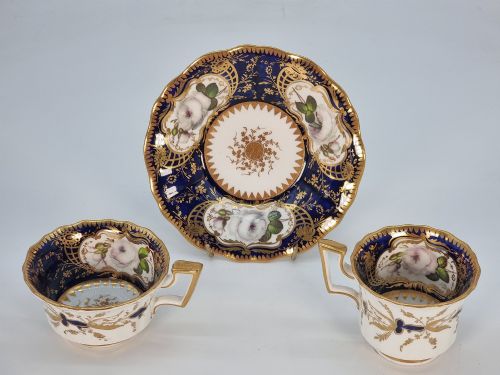
Makers ranged from major domestic potteries like Worcester, Derby, Spode, and Minton to renowned European porcelain houses including KPM Berlin and Old Paris workshops. Forms evolved from the small, handleless Chinese-style teacups of the eighteenth century to elaborate Regency trios and nineteenth-century cabinet cups designed for display.
Collectors encounter pieces spanning soft-paste and hard-paste porcelain, bone china, and enamel, each bearing distinct decorative programs ranging from topographical views and floral sprays to martial motifs and gilt ornamentation.
How they were made
Potters formed these vessels using soft-paste porcelain, hard-paste porcelain, or bone china, often shaping them on a potter's wheel or casting them in moulds before kiln firing. Artisans then applied mineral pigments by hand, sometimes incorporating enamel and gold leaf or rich gilding that required secondary firings to fuse the design to the ceramic body.
Specialised painters executed fine brushwork directly onto the glazed surface, producing detailed landscapes, botanical studies, and heraldic scenes before the final fixation in the kiln.
Hand Painted Cup Retail Price Guide 2026
Typical asking prices for hand painted cup among the pieces listed under this phrase on Sellingantiques today, from the lower quarter to the upper quarter. They describe what is for sale here now, not the wider market.
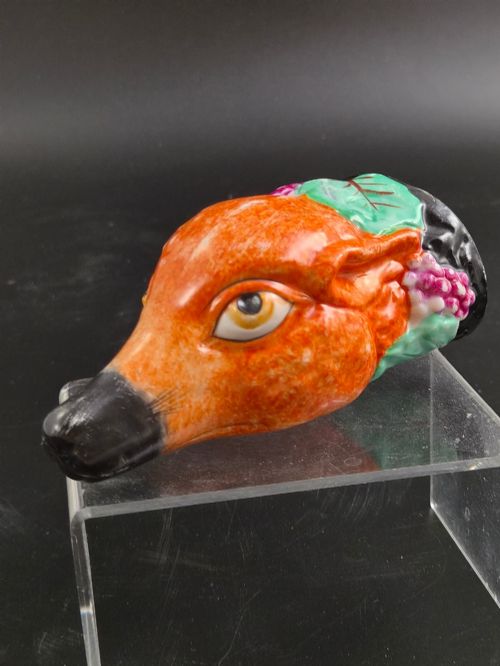
Early stirrup cups allowed riders to drain a final toast from a vessel shaped like a fox head without dismounting from their horse.
What varies in quality
The standard of a hand painted cup rests in the precision and technical skill of the brushwork, distinguishing mass production from accomplished studio painting. Superior examples exhibit finely rendered details, balanced composition, and harmonious colour palettes that demonstrate artistic control.
The quality of the gilding and the purity of the porcelain body further separate standard wares from presentation and cabinet pieces. Weight, translucency, and the crispness of moulded elements such as handles and feet reveal the care taken during production.
Flight Barr and Barr·Royal Worcester·H and R Daniel·KPM Berlin·Spode·Minton·Derby Porcelain·Coalport·Chamberlain Worcester
The Hand Painted Cup Glossary
- Coffee Can
- A small, straight-sided cylindrical cup designed specifically for drinking strong coffee, common during the Georgian and Regency periods. These pieces often lack handles.
- Cabinet Cup
- A decorative vessel made for display in a cabinet rather than for daily use. They frequently feature topographical scenes or elaborate gilt grounds.
- Soft-paste Porcelain
- An artificial ceramic paste fired at lower temperatures than hard-paste porcelain, producing a warm, creamy body common in eighteenth-century English factories.
- Gilding
- The application of gold leaf or powdered gold to ceramics, used to highlight rims, handles, and painted panels. It is often burnished to achieve a bright finish.
- Trio
- A matched set consisting of a teacup, a coffee cup, and a saucer. These groupings became popular during the Regency period for serving different hot beverages.
Hand Painted Cup: Frequently Asked Questions
How do I identify a coffee can?
A coffee can is characterised by its straight, cylindrical sides and the typical absence of a handle. They were produced extensively by English and European factories during the late eighteenth and early nineteenth centuries.
These vessels were made to hold concentrated coffee rather than tea, pairing with a matching saucer. Their straightforward form provided a stable canvas for detailed hand-painted landscapes and floral motifs.
What is a cabinet cup?
Cabinet cups were ornamental vessels created primarily for display in glass-fronted furniture rather than for practical dining use. They often feature intricate hand-painted topographical views, portrait medallions, or rich gilt borders.
Because they were meant to be admired visually, manufacturers employed their finest artists and most expensive decorative techniques on these pieces. They frequently survive alongside their original matched saucers.
How do I care for antique porcelain?
Antique porcelain requires gentle hand washing in lukewarm water with mild soap, avoiding automatic dishwashers entirely. Enamel decorations and gold leaf can wear away over decades of harsh scrubbing or abrasive cleaners.
Store pieces securely on stable surfaces away from direct sunlight to preserve the pigments. Handle cabinet cups and delicate handles by the body rather than protruding elements to prevent accidental breakage.
What distinguishes soft-paste from hard-paste?
Soft-paste porcelain uses a mixture of white clay, glass frit, and ground minerals fired at lower temperatures, producing a softer, slightly translucent body with a warm tone. It is typical of early English factories.
Hard-paste porcelain contains true china clay and petuntse fired at much higher temperatures, resulting in a denser, highly vitrified material that resists scratching. Continental European makers and later English potteries utilised hard-paste recipes.