


Hand Painted Chinese Pot
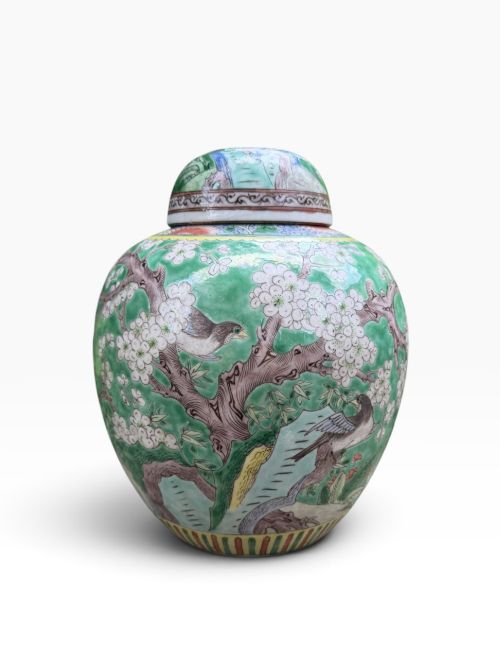
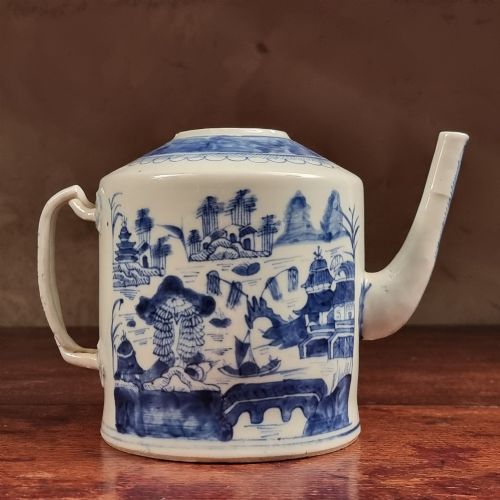
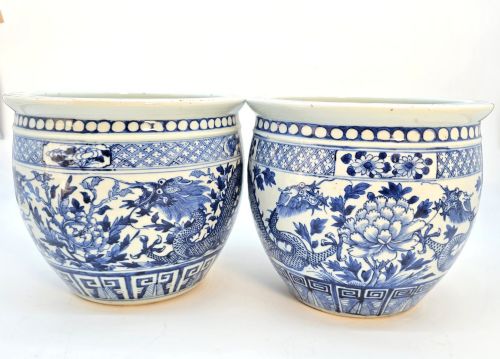
These hand painted chinese pot examples range from eighteenth century export tea wares to nineteenth century blue and white jardinières, offering traditional forms for domestic display.
Hand Painted Chinese Pot
When you search for a hand painted chinese pot, you encounter a variety of vessel types spanning several centuries of ceramic tradition. The selection on this page leans heavily towards nineteenth-century ginger jars, jardinières, and brush pots, alongside earlier export pieces.
Forms vary from large planters and fish bowls designed for botanical use down to smaller tea pots and lidded storage vessels. Many items originate from the Qing Dynasty, incorporating distinct regional aesthetics and export designs tailored for foreign markets.
Materials and construction
The pieces recorded here are predominantly formed from porcelain and ceramic bodies, often decorated with cobalt underglaze or enamel pigments. Artisans applied cobalt blue, iron red, and green enamels directly to the clay before firing.
Certain examples incorporate gold leaf highlights or are housed within wicker cases for practical transport. The decoration relies on manual brushwork executed across various historical periods, including Qianlong and Guangxu eras.
Current listings feature porcelain, ceramic, and enamel vessels spanning the seventeenth to the twentieth centuries, including blue and white, Famille Rose, and Doucai glazes.
Judging quality in these vessels
Distinction across the range rests on the precision of the hand painting and the clarity of the glaze. Finer examples display disciplined brushwork depicting complex scenes such as birds, flowers, or scholarly figures with distinct outlines.
The presence of reign or seal marks often separates standard decorative items from documented period pieces. Surface preservation and the depth of the cobalt or enamel colours further define the standing of individual vessels.
The Hand Painted Chinese Pot Glossary
- Jardiniere
- A large ceramic pot or planter designed to hold growing plants or flowers. These vessels often feature wide openings and heavy bodies to support botanical displays.
- Famille Rose
- A major palette of Chinese ceramic enamels introduced in the eighteenth century, characterised by pink or opaque rose colours. This style frequently depicts floral and avian motifs.
- Bitong
- A traditional Chinese cylindrical brush pot used by scholars for holding writing brushes. They are commonly carved or painted with narrative scenes.
- Chinoiserie
- A European artistic style reflecting Chinese artistic influences, often found on eighteenth-century export porcelain. It mimics perceived Asian design motifs within Western decorative arts.
- Kamcheng
- A traditional covered ceramic jar originating from Chinese kilns, frequently decorated in blue and white or polychrome enamels. They were traditionally used for food storage or ritual purposes.
Hand Painted Chinese Pot: Frequently Asked Questions
What were ginger jars used for?
These lidded vessels originally served to store and transport spices, salt, and oils in ancient China.
Over subsequent centuries, Western collectors repurposed them purely as decorative items for interior display.
How do I identify a Qing Dynasty piece?
Identification relies on examining the specific ceramic body, the mineral composition of the cobalt or enamel, and any reign marks on the base.
Stylistic conventions of the brushwork also indicate whether a vessel belongs to the Qing period or later revival eras.
Where should I place a jardiniere?
Jardinières suit placement on stable low tables, pedestals, or hearths where their size and painted decoration remain visible.
Because many were built for heavy botanical use, they accommodate large houseplants or dried arrangements effectively.
What is an export porcelain pot?
Export wares were manufactured in China specifically for trade with European and American markets from the seventeenth century onward.
These pieces often combine traditional domestic forms with decorative schemes that appealed to foreign buyers.