
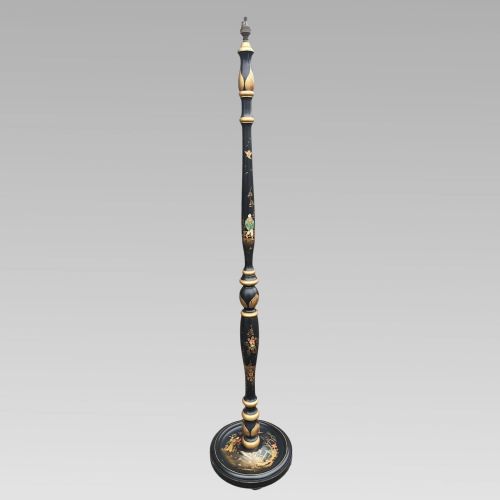


Hand Painted Chinese Lamps
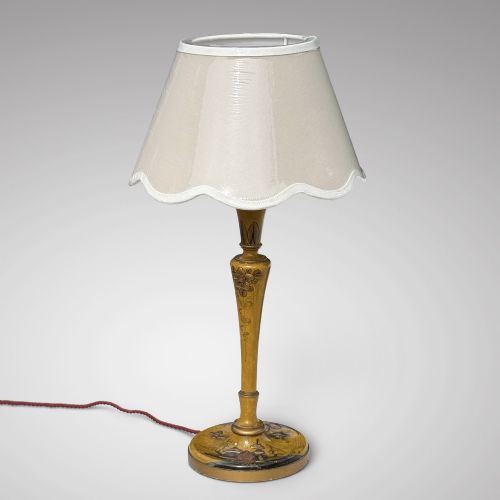
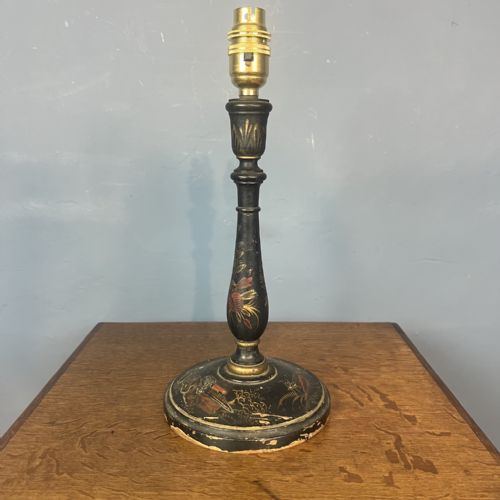
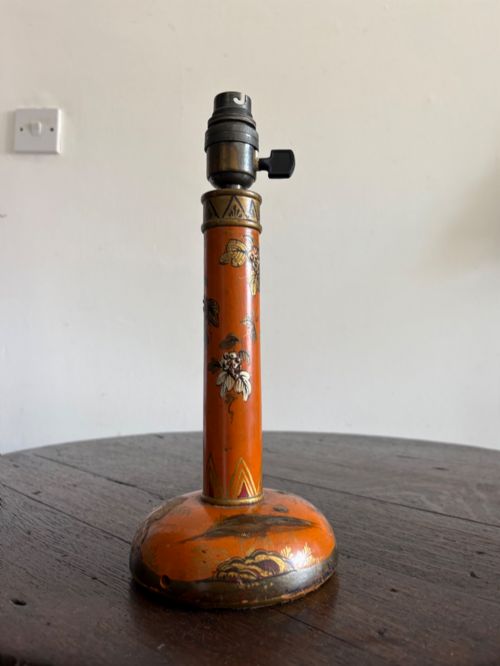
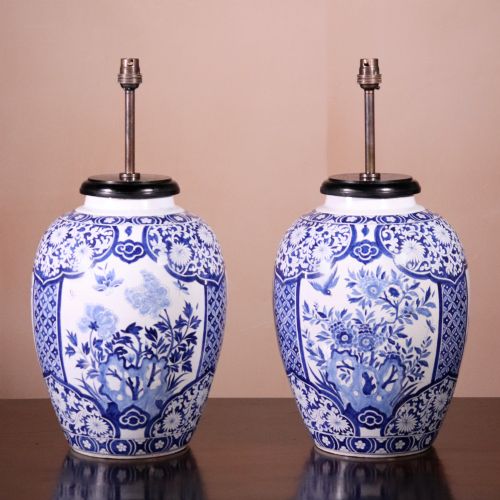
Hand painted chinese lamps bring distinct colour and narrative form to a room through painted porcelain and decorated lacquer bodies.
Hand Painted Chinese Lamps
Hand painted chinese lamps transform traditional porcelain vessels and lacquered wooden forms into domestic lighting, bringing heritage design into functional spaces. When searching for hand painted chinese lamps, buyers encounter both converted antique vases and purpose-built lacquered stands originating from various periods.
The selection ranges from nineteenth century celadon and blue and white ginger jars to twentieth century chinoiserie lacquer floor and table lamps. Porcelain bodies decorated in canton or famille rose palettes appear alongside deep black, ochre, and mandarin orange lacquered finishes.
Vase lamps dominate the selection, often mounted on brass bases or fitted with silk and fabric shades. Buyers will find individual pieces as well as matched pairs suited for balanced placement on sideboards and consoles.
What varies in quality
Quality rests in the precision of the hand painted detail across the porcelain surface and the depth of finish on the lacquer. Finer pieces display crisp brushwork in multi-coloured enamels and rich, stable lacquer layers without excessive wear.
The harmony of the conversion work also dictates standard, where brass mounts and electrical fittings integrate sympathetically with the antique ceramic or wooden body.
Some nineteenth century vases found a second life illuminating dark Edwardian parlours after acquiring brass fittings and a fresh twist of silk.
The Hand Painted Chinese Lamps Glossary
- Famille Rose
- A pale pink enamel palette prominent in Chinese porcelain decoration. It gained popularity during the Qing dynasty and defines many nineteenth century floral and figural designs.
- Famille Verte
- A green-dominated enamel palette used on Chinese ceramics. This style relies on vibrant green tones alongside contrasting colours to depict complex scenes.
- Chinoiserie
- European decorative style reflecting Chinese artistic influences. This aesthetic manifests in lacquered furniture and lamps produced across various western periods.
- Ginger Jar
- A wide-shouldered ceramic vessel originally used for spices. Converted ginger jars form a primary shape for porcelain table lamps.
- Canton
- A style of Chinese export porcelain featuring panel scenes filled with figures, birds, and flowers. These colourful motifs cover the surface of large nineteenth century vases.
Hand Painted Chinese Lamps: Frequently Asked Questions
How do I clean a lacquer lamp?
Dust the lacquered wooden surface gently with a soft, dry cloth to prevent scratching the delicate finish. Avoid liquid cleaners and chemical sprays that can lift or dull the painted layers.
Keep the lamp away from direct sunlight and excessive heat sources to protect the wood and lacquer from warping or fading over time.
Are these lamps converted from old vases?
Many examples began life as decorative vessels, such as ginger jars or baluster vases, before receiving electrical wiring and fittings at a later date. This adaptive process preserved historic ceramics by giving them a practical purpose in modern interiors.
Other items were constructed specifically as lighting fixtures using traditional lacquered wood techniques during the Edwardian and later periods.
How do I choose the right shade?
Select a fabric or silk shade that complements the scale of the porcelain or lacquered base without overwhelming its painted details. Neutral tones allow busy patterns on famille rose or blue and white jars to remain the visual focal point.
Consider the height of the lamp body when deciding on shade proportions to ensure balanced light distribution across your room.
What is the difference between famille rose and verte?
Famille rose relies primarily on an opaque pink or carmine enamel introduced during the Qing dynasty. This palette creates softer floral and figural compositions.
Famille verte centres on a vibrant green enamel combined with iron red, yellow, and blue. This earlier dominant style produces rich, highly detailed pictorial surfaces.