




Hand Painted Charger Plate
A hand painted charger plate brings centuries of pigment and porcelain straight to the wall or table.
Hand Painted Charger Plate
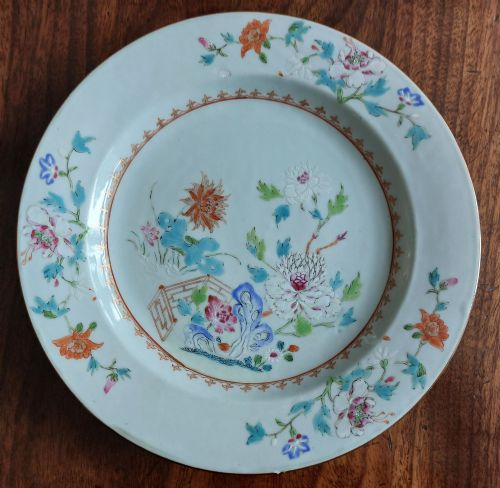
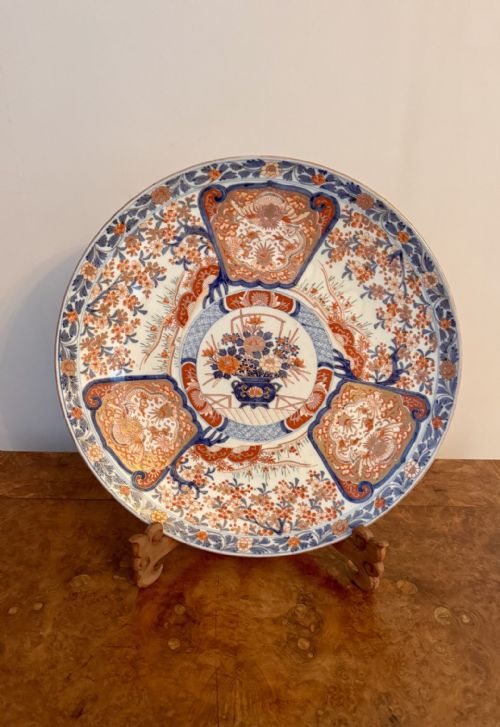
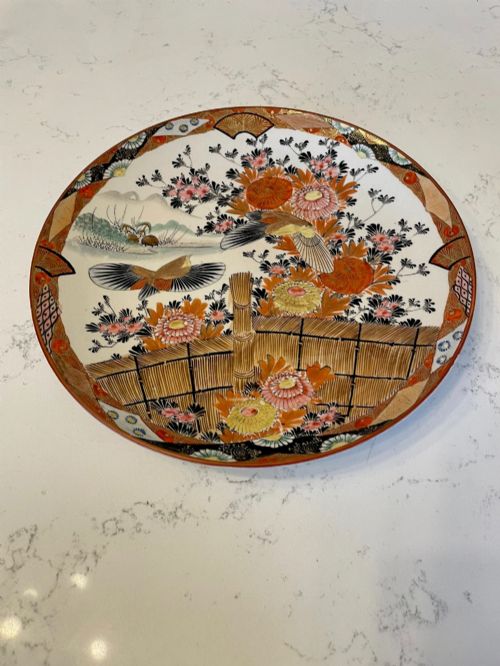
A hand painted charger plate is a large decorative dish designed for display rather than standard dining use. These pieces span from the seventeenth century through to the mid twentieth century, originating from English, French, Dutch, and Japanese workshops.
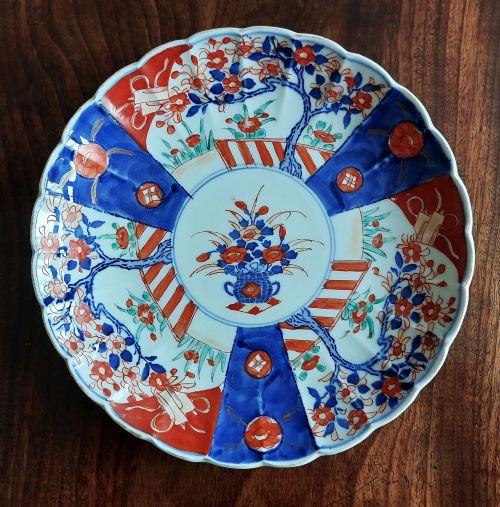
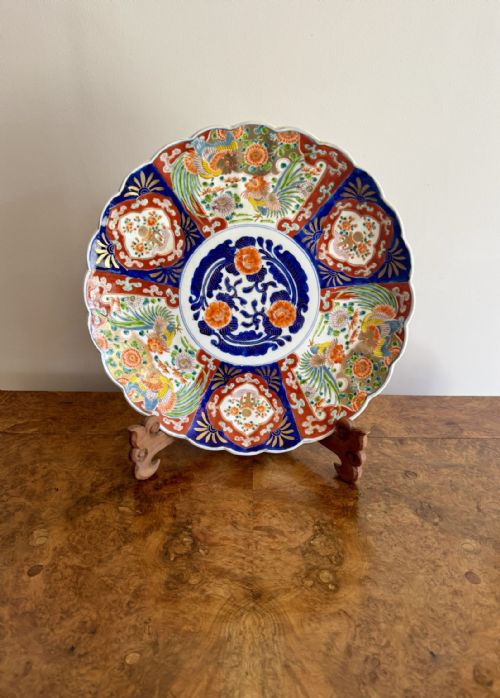
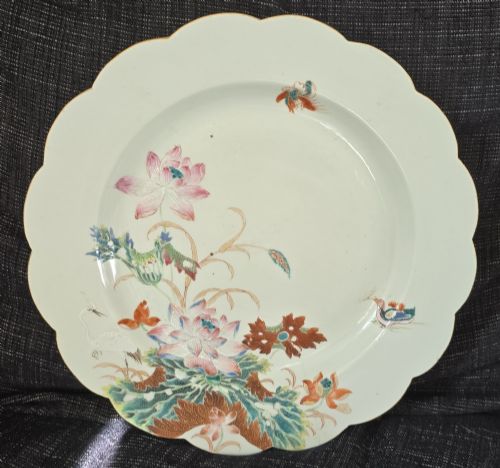
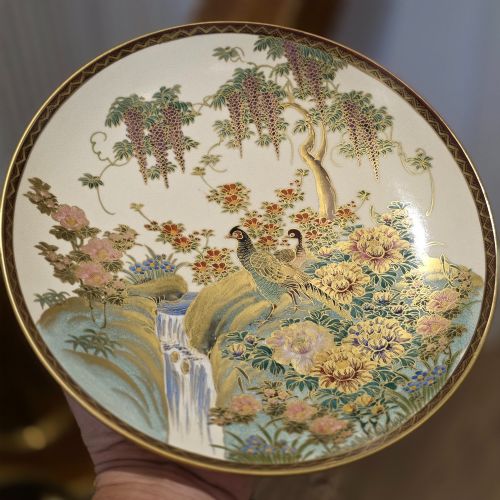
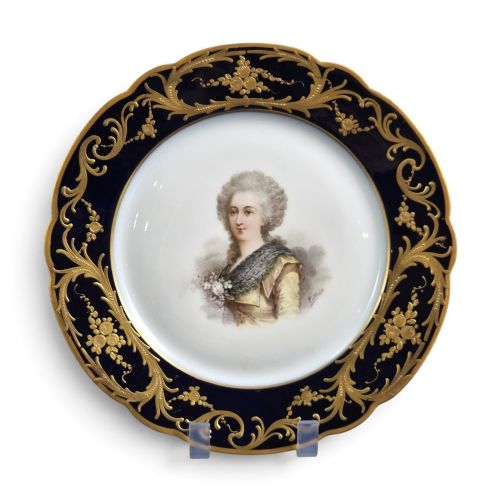
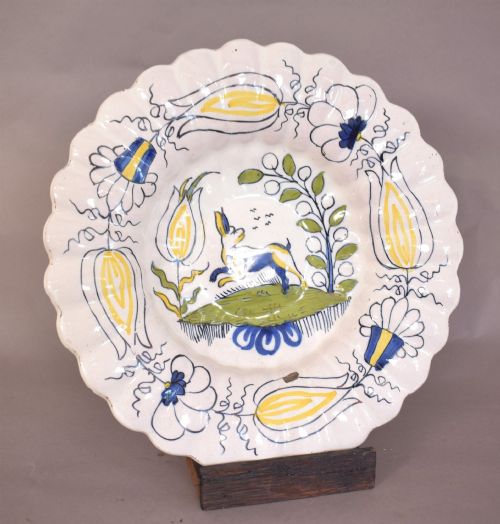
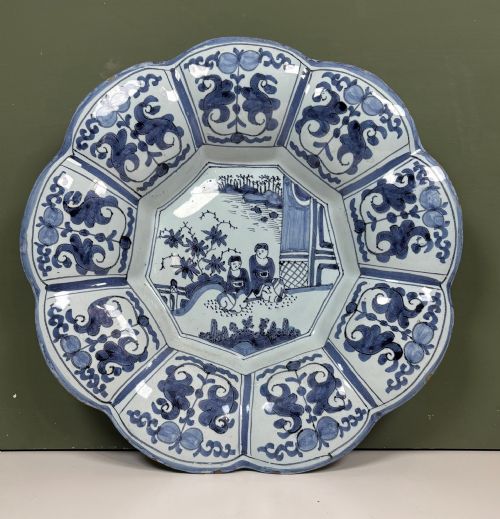
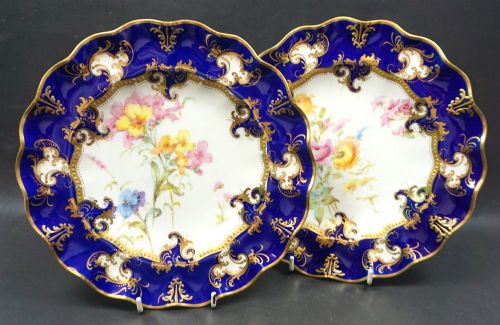
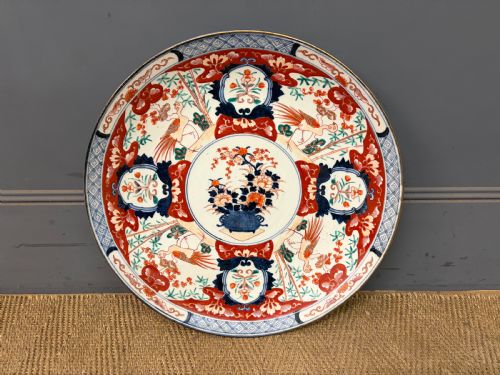
The selections on this page appear as cabinet plates, faience dishes, and large chargers in styles ranging from Dutch Baroque and Delftware to Japanese Imari and Meiji period ceramics. Buyers encounter everything from blue and white tin glazed earthenware to porcelain painted with portraits, landscapes, and floral motifs.
How they were made
Potters shaped ceramic, porcelain, earthenware, and ironstone bodies before applying tin glaze, enamel, or standard glaze coatings. Artisans then hand painted detailed pigments directly onto the surface, frequently incorporating gold leaf accents for added depth.
Firing techniques varied according to the origin, utilising high temperature kilns for Japanese porcelain and specialised methods for European soft paste porcelain and Delftware tin glazed earthenware.
Listings feature porcelain, earthenware, and tin glazed ceramics across the 17th, 18th, 19th, and 20th centuries.
What varies in quality
Quality rests in the precision of the hand painting and the clarity of the glaze, distinguishing standard production items from pieces bearing the signatures of accomplished painters. The complexity of the design, such as intricate multi coloured Japanese Imari patterns or detailed portraiture, separates simpler wares from exceptional studio and factory examples.
The crispness of the ceramic moulding and the preservation of the enamel and gold leaf over centuries also define the standing of each piece.
Koshida·Royal Bonn·Royal Crown Derby·John Ford·Royal Worcester·Ambroise Michel·John Davenport of Longport·Copeland Pottery
The Hand Painted Charger Plate Glossary
- Charger
- A large decorative plate traditionally used for display or as a base for smaller dinner service plates. These wide vessels provide a generous canvas for painted decoration.
- Tin-Glazed Earthenware
- Pottery covered with a glaze containing tin oxide to produce a white and opaque surface. This technique forms the basis of traditional Delftware and faience.
- Imari
- A style of Japanese export porcelain characterised by a palette of underglaze blue, iron red, and gold. This aesthetic heavily influenced European pottery manufacturers.
- Cabinet Plate
- A decorative plate intended for display in a cabinet or on a wall rather than active dining use. These items often feature elaborate hand painted scenes.
- Soft-Paste Porcelain
- A ceramic material made from clay mixed with ground glass and other materials, fired at lower temperatures than hard paste porcelain. It was widely produced in eighteenth century European factories like Sèvres.
Hand Painted Charger Plate: Frequently Asked Questions
How were charger plates used historically?
Charger plates served primarily as decorative table centerpieces or base plates beneath smaller service dishes during formal banquets. Over time, their role shifted toward pure display on walls and inside cabinets.
Larger examples provided artisans with a wide surface to showcase complex hand painted scenes, botanical motifs, and armorial designs.
Can I hang a antique charger plate on the wall?
Many large plates and chargers include historical mounting provisions or can be safely secured using appropriate modern wire display hangers. Care must be taken to distribute the weight evenly across the rim.
Displaying pieces on walls keeps them safe from daily table use while allowing the painted details to be easily viewed.
What is the difference between Japanese Imari and Meiji pieces?
Imari refers to a specific decorative style and colour palette featuring blue, red, and gold, while Meiji denotes the historical Japanese period spanning from 1868 to 1912. Many Meiji period items were decorated in the traditional Imari style.
Examine the porcelain body and brushwork characteristics to understand the specific manufacturing era and regional origin.