
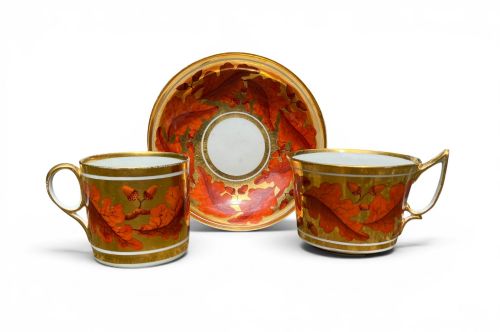
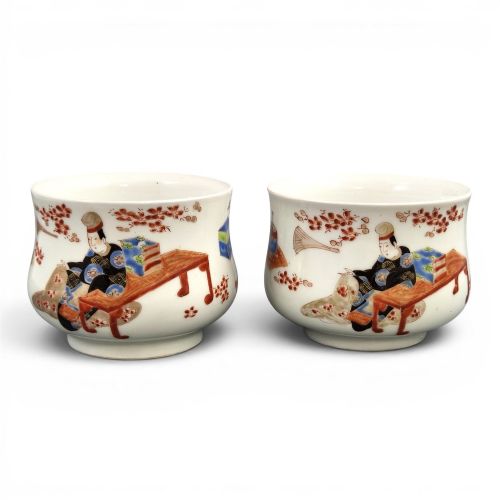
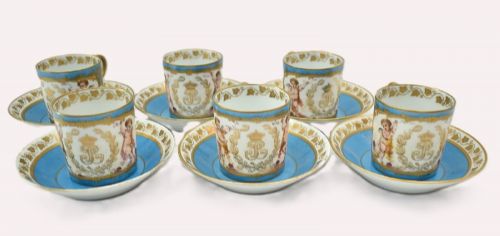


Hand Painted Ceramic Teacup
These hand painted ceramic teacup selections bring historic craftsmanship to the table, offering tactile connections to centuries of skilled artistry.
Hand Painted Ceramic Teacup
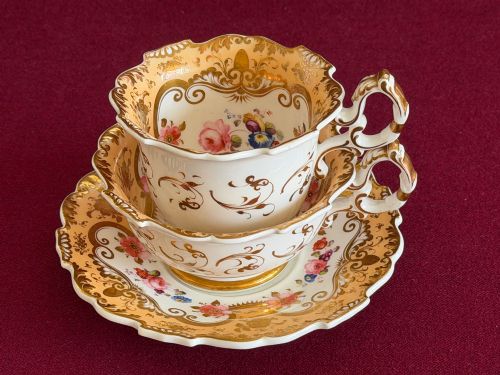
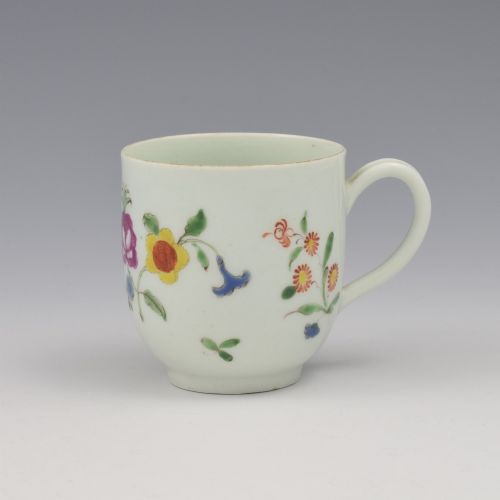
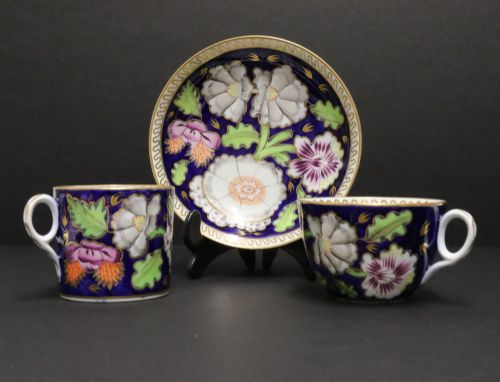
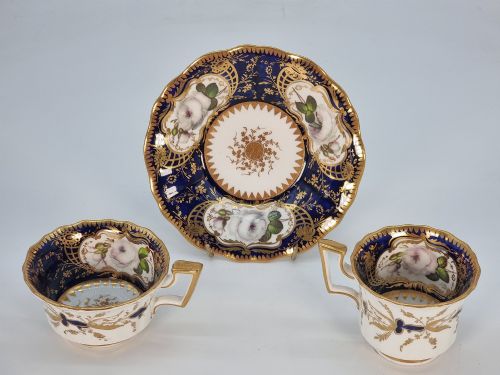
A hand painted ceramic teacup encompasses delicate vessels and accompanying saucers originating from diverse periods including the eighteenth and nineteenth centuries. Collectors encounter forms ranging from simple tea bowls to elaborate cabinet trios and breakfast sets.
The selections span English, continental, and Asian origins, showing distinct regional styles such as Chinese Export, Japanese Imari, and traditional English porcelain factories. These items reflect changing domestic habits and social rituals surrounding tea consumption over multiple generations.
Most items appearing in the listings represent Regency and eighteenth-century productions, alongside Victorian and later nineteenth-century pieces. Buyers frequently find individual cups paired with saucers or part of larger service sets.
How they were made
Makers utilised various ceramic compositions including standard porcelain, bone china, soft-paste porcelain, earthenware, and creamware. Artisans shaped these materials into cups, bowls, and saucers before applying decorative pigments.
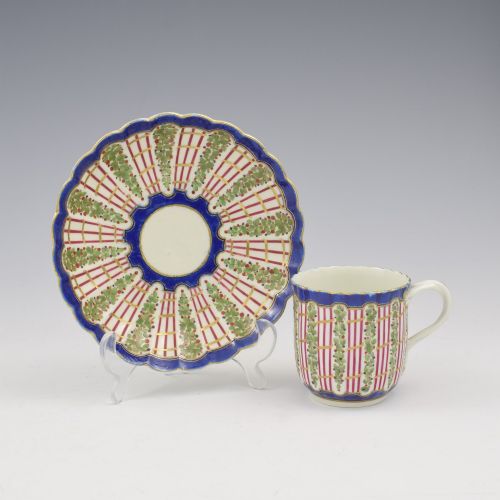
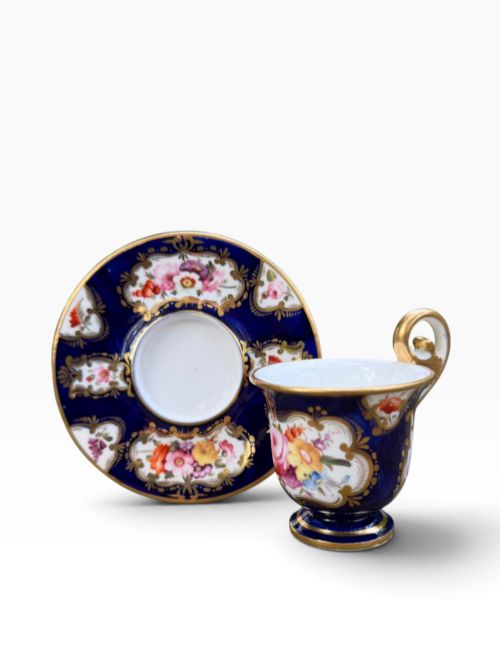
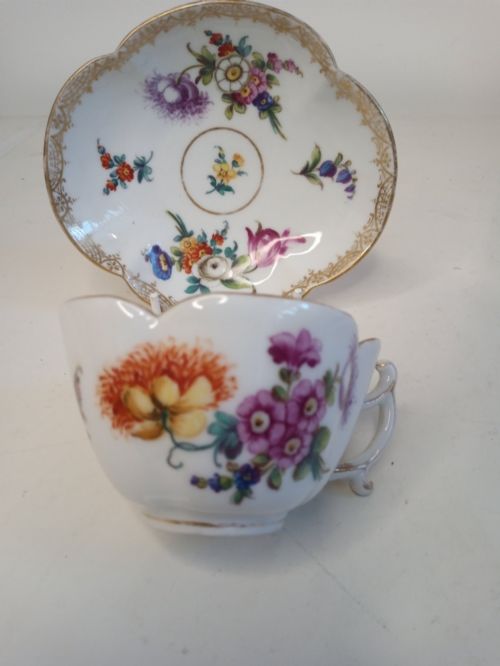
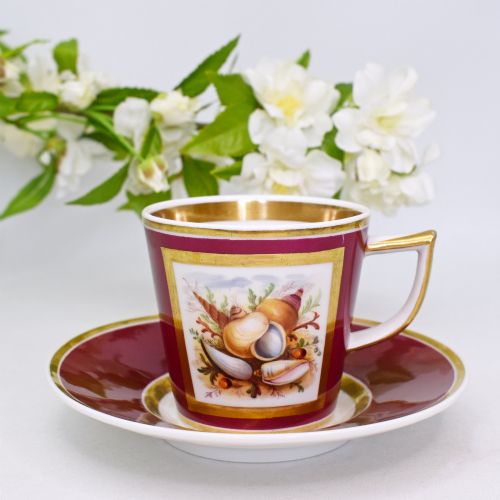
Decoration relied heavily on meticulous brushwork, complemented by gold leaf, gilding, and gilt accents. Many workshops also employed transfer printing or hand-painted enamels to achieve intricate patterns like hop trellises and floral motifs.
Current listings feature porcelain, earthenware, and bone china across eighteenth, nineteenth, and early twentieth-century periods.
What varies in quality
Quality differences emerge through the precision of the hand-painted brushwork and the complexity of the chosen pattern. Superior examples display refined application of gold leaf and intricate pictorial scenes rather than repetitive stencilling.
The purity of the ceramic body, whether fine porcelain or earthenware, dictates the overall refinement of the vessel. Early bodies exhibit distinct translucency and weight variations that distinguish standard domestic wares from cabinet pieces.
A H & R Daniel·Richard Chaffers·John Rose Coalport·Yates Leeds·Gardner Moscow Factory·KPM Berlin
The Hand Painted Ceramic Teacup Glossary
- Soft-Paste Porcelain
- A ceramic composition made from glass paste and white clay fired at lower temperatures. It produces a warm tone and subtle translucency found in early English pieces.
- Creamware
- A refined earthenware developed in the eighteenth century with a pale yellow or cream glaze. It offers durability alongside a smooth surface suitable for enamel painting.
- Gilding
- The application of gold or gold leaf to ceramic surfaces for decorative contrast. Skilled artisans often burnish the metal to create a polished finish.
- Tea Bowl
- A handleless vessel used for drinking tea before cups with handles became standard. They appear frequently in eighteenth-century Asian and English listings.
Hand Painted Ceramic Teacup: Frequently Asked Questions
How do I identify eighteenth-century pieces?
Eighteenth-century examples often display specific paste characteristics, such as the warmer tone of soft-paste porcelain or the simple forms of early tea bowls. Examining the underside frequently reveals factory traits or period-specific potting techniques.
Decoration also offers clues, as hand-painted motifs from this era often follow distinct botanical or orientalist themes popular during the period.
Were these cups meant for daily use?
Many nineteenth-century sets served active roles in polite society, while delicate cabinet trios were intended primarily for display. Domestic wear and tear varied depending on the sturdiness of the ceramic body.
Heavier earthenware and creamware typically handled frequent service better than fragile soft-paste porcelain cups.
What is a cabinet trio?
A cabinet trio comprises a matching teacup, coffee cup, and saucer designed for display in a cabinet rather than active dining use. These sets showcase the highest artistic output of contemporary porcelain factories.
They frequently feature elaborate gilding and hand-painted scenes reserved for special decorative display.
How do I care for antique porcelain?
Antique porcelain requires gentle hand washing in lukewarm water without abrasive detergents to protect delicate enamels and gold leaf. Storing pieces securely prevents chipping on fragile rims and handles.
Avoiding sudden temperature changes protects the historic ceramic body from thermal shock.