

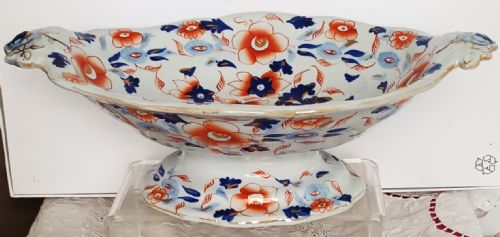


Hand Painted Ceramic Comport
A hand painted ceramic comport elevates the table, bringing rich colour and historic porcelain craftsmanship directly to the dessert course.
Hand Painted Ceramic Comport
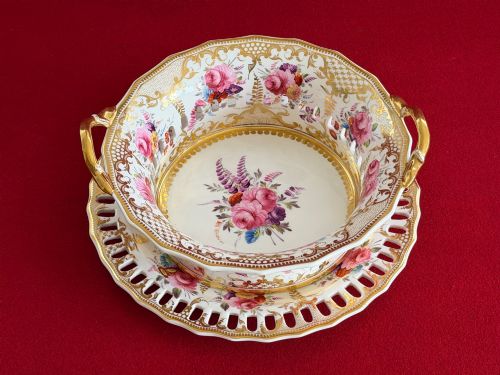
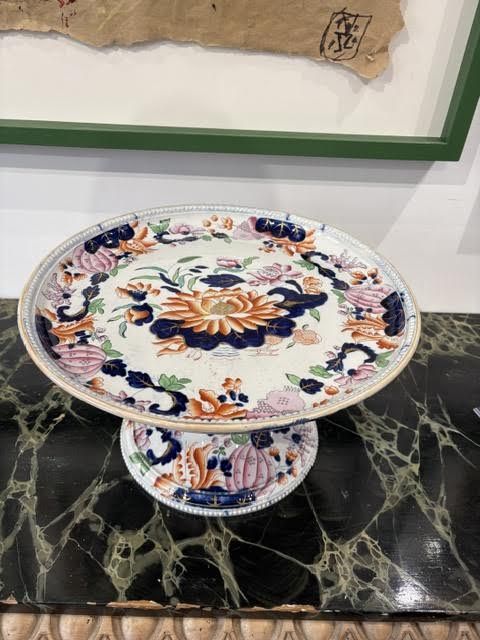
A hand painted ceramic comport serves as an elevated pedestal dish for fruit, cakes, and desserts, acting as the centrepiece of a grand table setting. These footed pieces originate from various historical periods including the Georgian, Regency, and Victorian eras, as well as the Edwardian period and the early twentieth century.
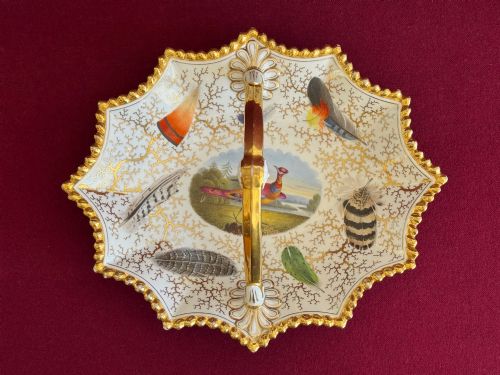
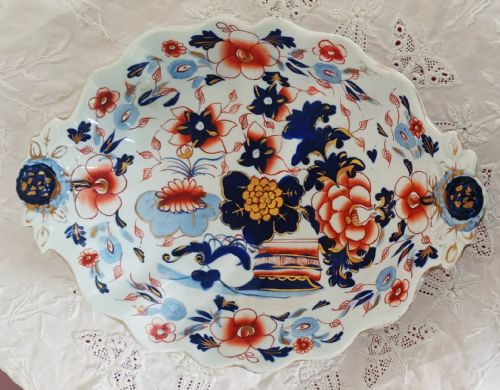
The selections encountered here encompass several distinct stylistic traditions, ranging from English ironstone china and porcelain baskets to French Sevres style pieces and Chinese Canton pedestal dishes. Many appear as part of larger dessert services, whilst others survive as individual comports, cake stands, and decorative dishes.
Makers and factories represented across the eras include Daventport, Flight, Barr and Barr Worcester, Mason's, Swansea, Thomas Moorcroft for E.J.D Bodley, Meissen, Wedgwood, and Royal Worcester. Their decorative schemes utilise hand painted motifs such as the Waterlily pattern, Imari, Japan patterns, Mandarin Chinoiserie, orchids, and botanical studies.
How they were made
Potters shaped these vessels using fine ceramic pastes, porcelain bodies, and heavy ironstone china, often forming pedestals, low bases, and shaped rims. Artisans then applied hand painted decoration directly to the glazed or biscuit surface, incorporating detailed botanical, figurative, or orientalist motifs.
Gilding played a significant structural and decorative role, with gold leaf and gilt accents applied to highlights, handles, and borders. Certain pieces incorporate additional metal elements such as ormolu and gilt bronze mounts to support the ceramic bowls.
Hand Painted Ceramic Comport Retail Price Guide 2026
Typical asking prices for hand painted ceramic comport among the pieces listed under this phrase on Sellingantiques today, from the lower quarter to the upper quarter. They describe what is for sale here now, not the wider market.
Listings feature works from the Georgian, Regency, and Victorian periods, alongside early twentieth-century examples in porcelain, ironstone, and gilt bronze.
What varies in quality
The refinement of the ceramic body and the precision of the pedestal moulding set the foundation for a piece's success, distinguishing heavy utilitarian ironstone from delicate, translucent porcelain. Early works demonstrate careful throwing and shaping, whereas later production utilises moulded forms with applied footed bases.
The execution of the hand painting dictates the visual hierarchy, separating standard factory decoration from master painter output such as botanical studies by named artists. The preservation of applied gold leaf, ormolu mounts, and delicate enamel work further defines the distinction between everyday service wares and exhibition pieces.
Daventport·Flight, Barr and Barr Worcester·Mason·Swansea·Thomas Moorcroft for E.J.D Bodley·Meissen·Wedgwood·Royal Worcester
The Hand Painted Ceramic Comport Glossary
- Comport
- A pedestal dish or stand used for serving fruit, sweets, or cakes at the table. These raised vessels sit on a central foot or stem.
- Ironstone
- A dense, durable type of earthenware patented in the nineteenth century to rival true porcelain. It offered high resistance to chipping during everyday use.
- Imari
- A decorative style inspired by Japanese export wares, typically featuring a palette of iron red, cobalt blue, and gilt. British factories frequently adopted this aesthetic.
- Tazza
- An Italian term for a shallow saucer or bowl mounted on a stem and foot, often used interchangeably with the word comport.
- Chinoiserie
- European artistic interpretations of Chinese and East Asian decorative motifs. These designs often depict imaginary oriental landscapes, figures, and pavilions.
Hand Painted Ceramic Comport: Frequently Asked Questions
What is a ceramic comport used for?
These elevated vessels were traditionally utilised for serving fruit, confectionery, and dessert courses during formal nineteenth-century dining. They functioned as decorative centrepieces that brought height and colour to the centre of the table.
In modern settings, collectors frequently employ them to display seasonal fruit, small decorative items, or simply as standalone works of ceramic art on sideboards and mantlepieces.
How do I date a porcelain comport?
Dating relies upon examining the ceramic body, glaze characteristics, and any factory marks stamped or painted to the underside. Stylistic cues such as Regency proportions or Victorian aesthetic movement motifs also provide chronological context.
Comparing the painting technique and the type of gilding utilised helps narrow the period of manufacture, aligning the piece with known operational windows of historic potteries.
Are these comports safe for food?
Most antique ceramic and porcelain comports were manufactured with lead-bearing glazes and mineral pigments intended purely for decorative dining display. Over centuries of age, the surfaces may also develop minute crazing that can absorb moisture and food residues.
For these reasons, modern owners generally restrict their use to dry foodstuffs like fruit with thick skins or display them entirely away from the dining table.
What is the difference between a comport and a tazza?
While both terms describe footed vessels designed to elevate food or display items, a tazza typically refers to a shallower, wider dish supported by a single central stem. Comports can encompass a broader range of pedestal bowls, double-tier cake stands, and shaped dishes.
In historical inventories and maker catalogues, the nomenclature often overlaps depending on the regional terminology used by the pottery or the specific fashion of the decade.