




Antique Footed Cake Dish
An antique footed cake dish elevates your table, offering a pedestal for pastries that dates from the Georgian era to the mid twentieth century.
Antique Footed Cake Dish
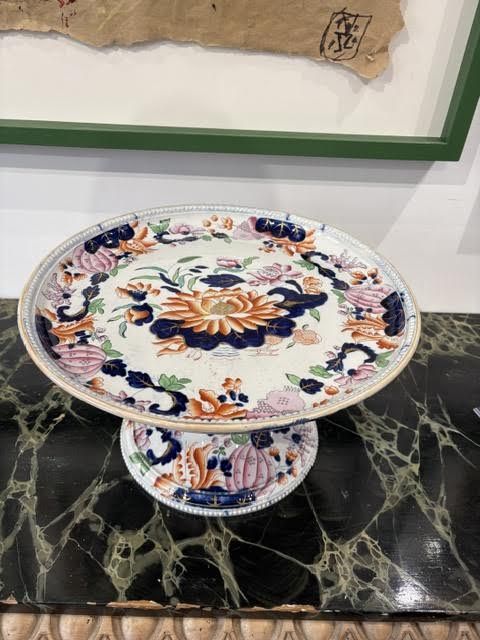
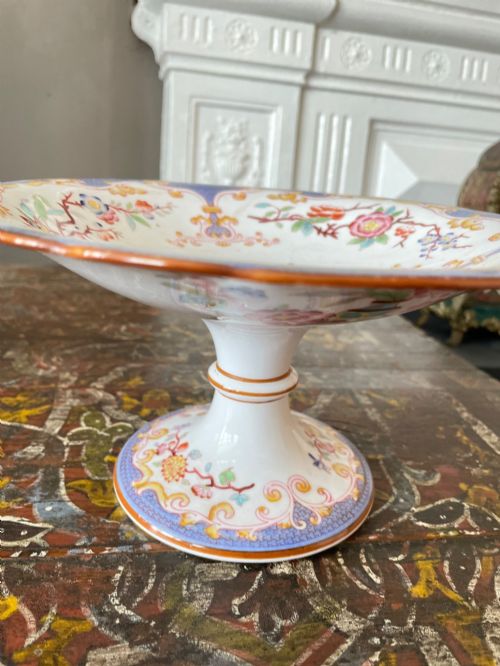
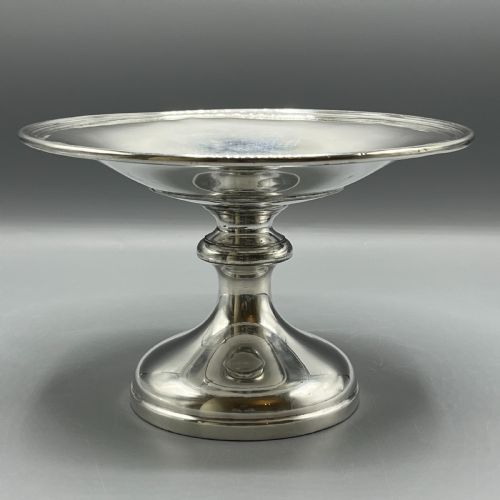
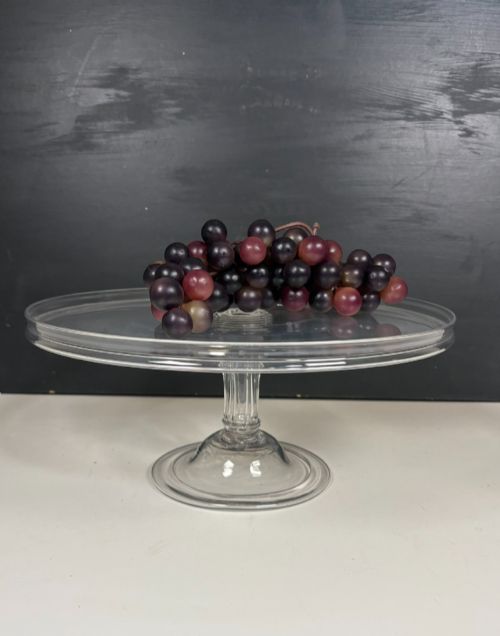
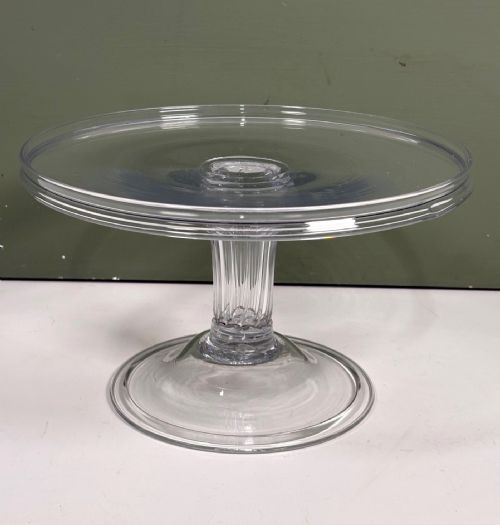
When you search for an antique footed cake dish, you are looking at raised serveware designed to present cakes, fruits, and desserts elegantly above the table surface. These pieces take various forms including tazzas, comports, pedestal dishes, and centrepieces.
You are most likely to meet glass and porcelain versions on this page, spanning periods from the eighteenth century through the Victorian and Edwardian eras up to nineteen forty. Styles range from Georgian and Regency to Rococo Revival and Victorian.
The selection includes earthenware and ironstone china alongside clear and lead crystal glass, often featuring handpainted fruit, enamel work, or etched patterns.
Materials and construction methods
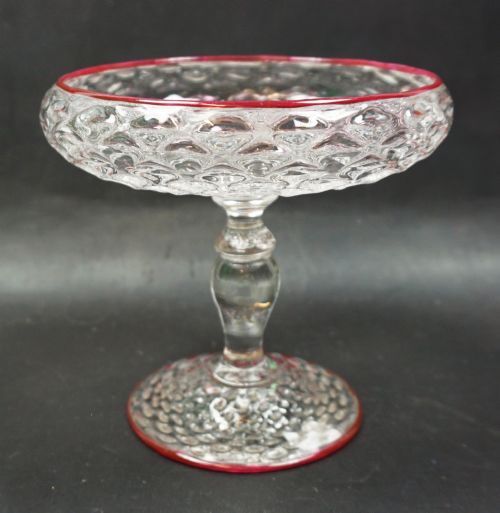
Glass pieces utilise lead crystal or clear glass, shaped with honeycomb moulding, red cane decoration, or intricate etching to create refractive surfaces.
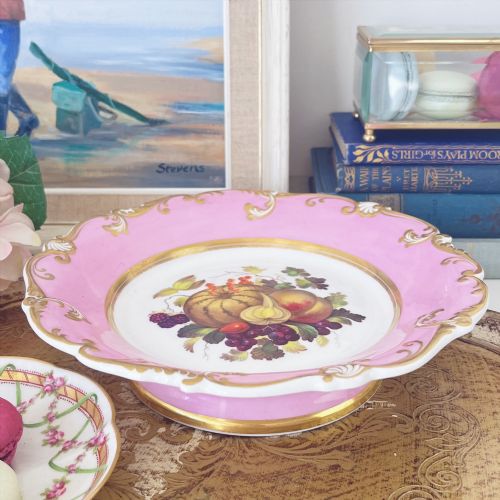
Ceramic examples employ porcelain, earthenware, and ironstone china, shaped into comports and dessert services decorated with handpainted fruits and pink ground glazes.
Some decorative elements incorporate gold leaf or enamel details applied over the porcelain or glass body.
Antique Footed Cake Dish Retail Price Guide 2026
Typical asking prices for footed cake dish among the pieces listed under this phrase on Sellingantiques today, from the lower quarter to the upper quarter. They describe what is for sale here now, not the wider market.
Kitty Blake painted delicate fruit studies for Royal Worcester well into the twentieth century, bringing Victorian botanical charm to later comports.
Factors that distinguish quality
Quality rests upon the crispness of the moulding in crystal glass pieces and the precision of handpainted botanical or fruit details on porcelain surfaces.
The weight and balance of the pedestal base relative to the top dish dictate the structural finesse of the comport or tazza.
Makers known for exceptional porcelain bodies and artistic execution distinguish the higher end of the range from standard utilitarian serveware.
H & R Daniel·John Ridgway·Mason·Royal Worcester
The Antique Footed Cake Dish Glossary
- Tazza
- A shallow bowl or plate mounted on a pedestal stem, used historically for serving small food items or fruit. It forms a primary shape found in this category.
- Comport
- An ornamental dish raised on a foot, frequently used for dessert courses and interchangeable in historical usage with tazza.
- Lead crystal
- A type of glass containing lead oxide, which increases brilliance, weight, and workability for deep cutting and moulding.
- Ironstone china
- A patented type of heavy, durable earthenware developed in Britain that bridges the gap between pottery and porcelain.
- Baluster
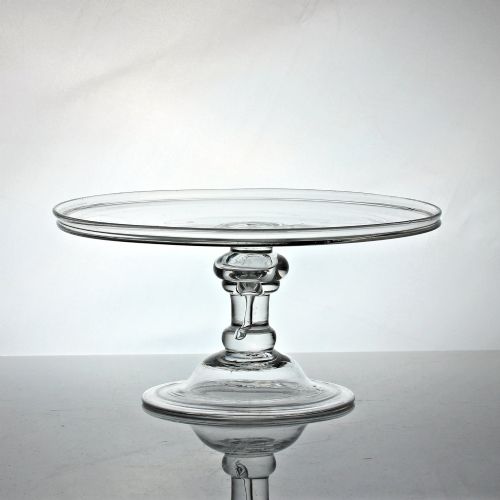
- A moulded shaft or stem with a swollen lower portion, commonly seen supporting Georgian glass and ceramic dishes.
Antique Footed Cake Dish: Frequently Asked Questions
What is an antique footed cake dish used for?
These elevated dishes served primarily for presenting cakes, fruits, and sweetmeats during formal dessert courses in grand dining rooms.
Today, they function practically as serving pieces for afternoon tea or decoratively as centrepieces on a dining table or sideboard.
How do I tell a Georgian tazza from a Victorian one?
Georgian glass tazzas typically feature heavier metal with simpler baluster stems and pontil marks on the underside from manual blowing techniques.
Victorian and later pieces often display more complex moulded patterns like honeycomb designs, heavier etching, or brighter coloured glass variants.
Can I use these antique dishes for serving food?
Most glass and glazed ceramic pieces remain suitable for serving dry foods, cakes, and fruits provided the glaze or glass surface is intact.
Pieces featuring delicate overglaze enamel or gold leaf details are better reserved for light use or display to preserve the decoration.