





Hand Painted Ceramic Art
Hand painted ceramic art brings together delicate brushwork and fired clay across centuries of global studio traditions.
Hand Painted Ceramic Art
When you search for hand painted ceramic art, you encounter a diverse array of objects spanning the nineteenth and twentieth centuries, including decorative plates, wall plaques, figurines, and vases. The selection draws from international traditions such as English porcelain, Japanese Imari, French faience, and Studio pottery.
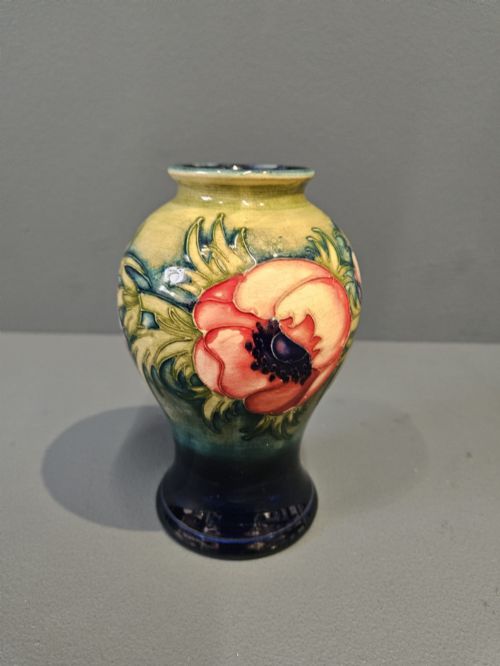
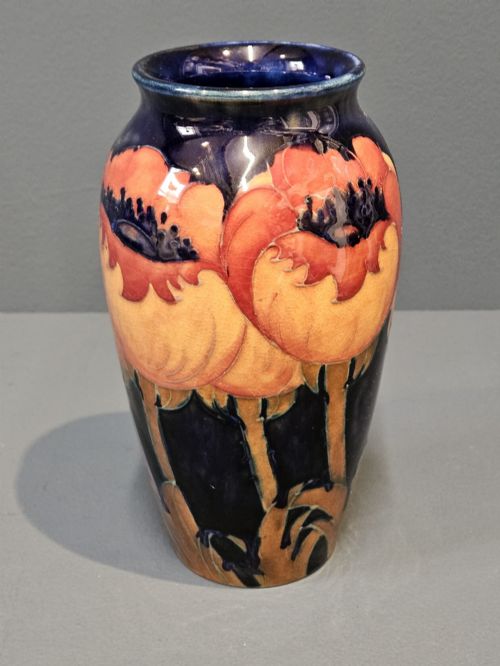
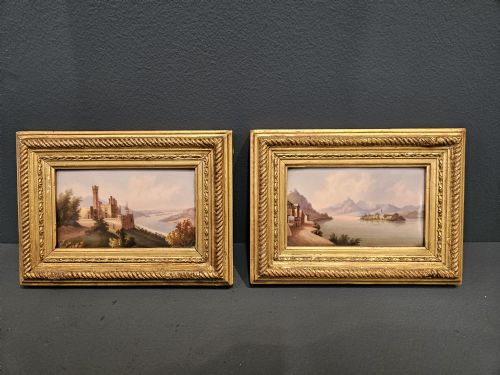
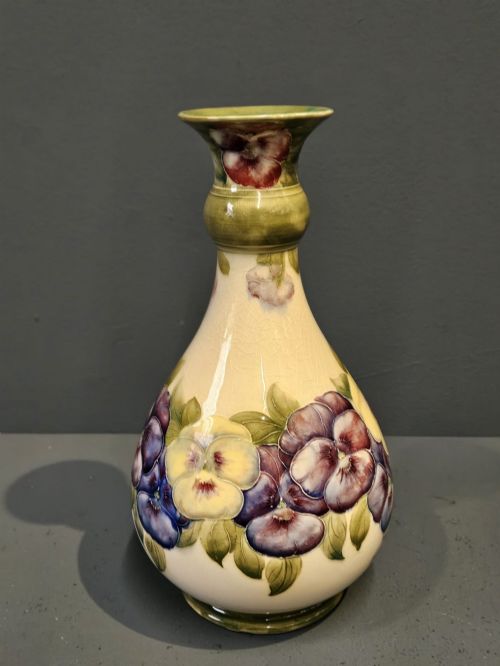
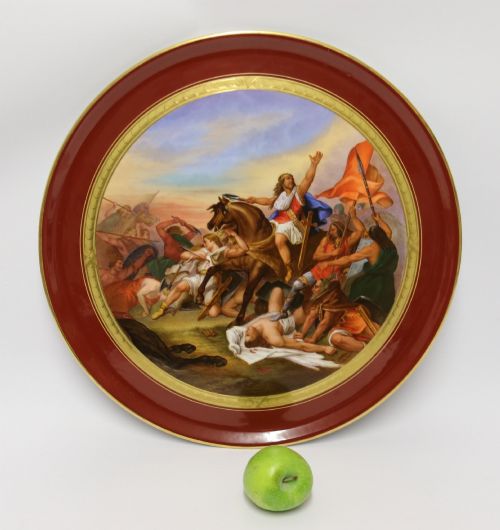
You are most likely to meet Victorian and Edwardian examples alongside Art Nouveau and Art Deco pieces. These take the form of painted plaques depicting landscapes, figures like deities and literary characters, and vessels adorned with botanical motifs or lustre glazes.
Materials and construction methods
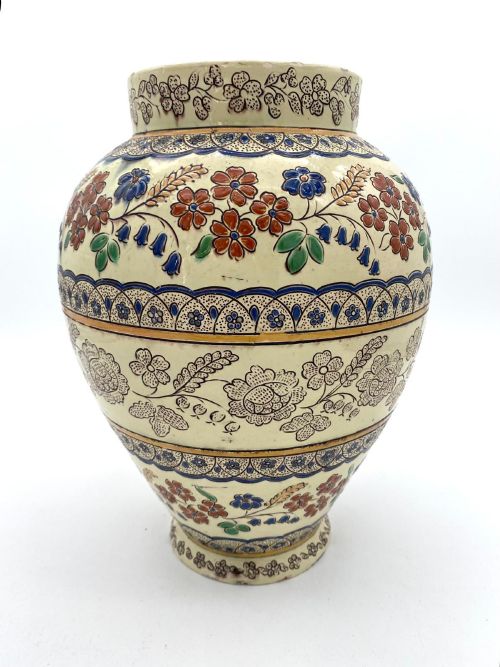
The pieces rely on ceramic bases such as porcelain, earthenware, terracotta, and faience, shaped into vessels, tiles, and sculptural figures. Makers apply mineral pigments and enamel by hand directly onto the clay or over initial glazes before firing.
Several works incorporate additional decorative details including gold leaf, gilding, and lustres to accentuate the hand painted scenes and patterns.
Hand Painted Ceramic Art Retail Price Guide 2026
Typical asking prices for hand painted ceramic art among the pieces listed under this phrase on Sellingantiques today, from the lower quarter to the upper quarter. They describe what is for sale here now, not the wider market.
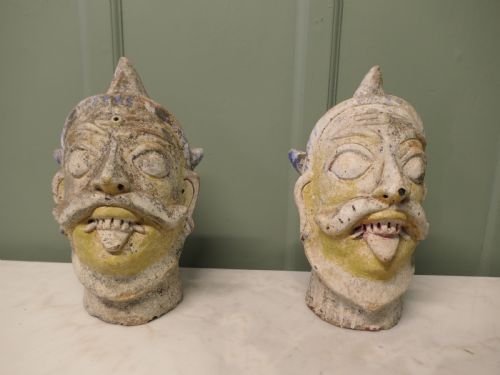
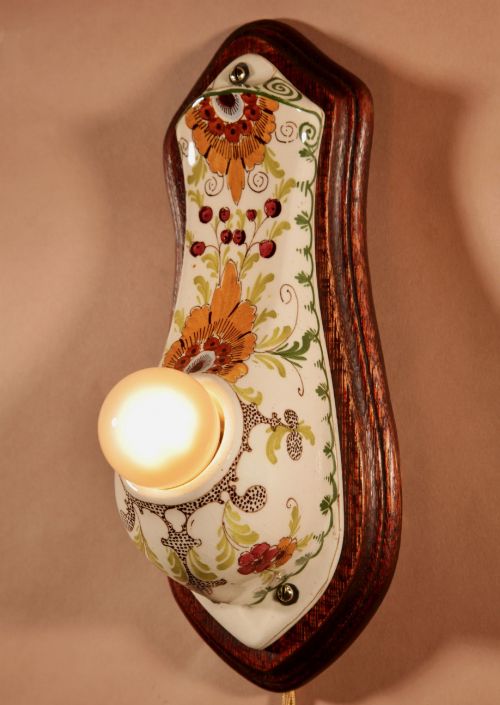
Among the deities and literary figures, a ceramic representation of Bodhidharma sits quietly alongside a Dutch night light.
Distinctions in execution and design
Quality rests in the precision and fluidity of the hand painting, where controlled brushwork distinguishes master painters from standard workshop output. The complexity of the subject matter, from detailed historical scenes to carefully rendered botanical studies, marks the upper tier of production.
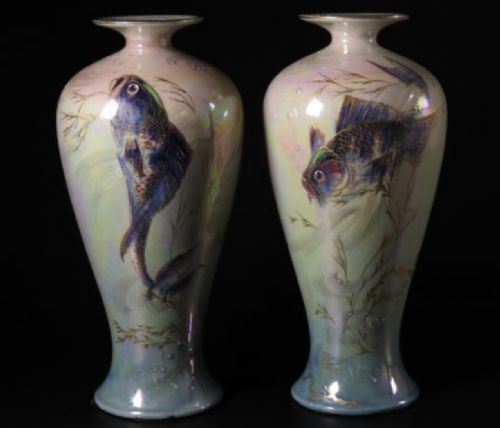
The sophistication of the glaze chemistry, including successful lustre finishes and harmonious colour palettes, separates ordinary vessels from those produced by prominent potteries and individual artists.
James Stinton·Royal Doulton·Moorcroft·Charles Vyse·William Yale
The Hand Painted Ceramic Art Glossary
- Faience
- Tin-glazed earthenware, often associated with French regional potteries such as Quimper and Desvres. It provides an opaque white surface suitable for painted folk motifs.
- Imari
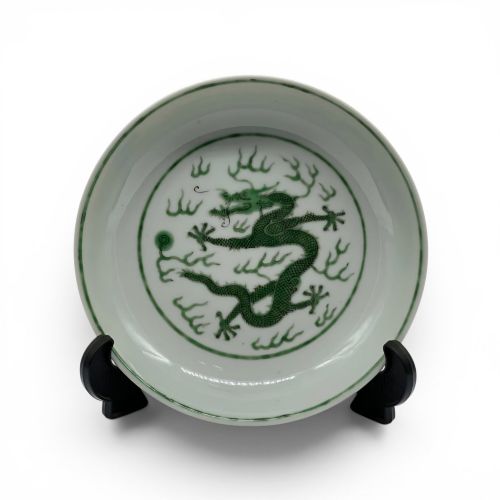
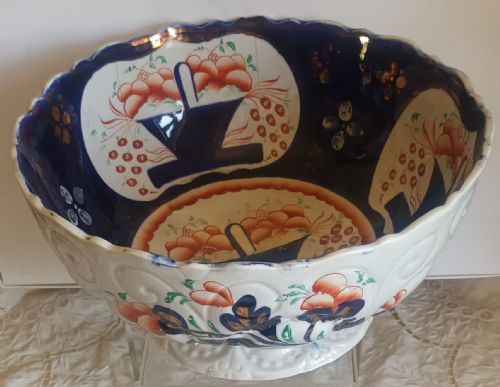
- Japanese export porcelain decorated in underglaze blue and overglaze iron red, gold, and green. The style originates from the Edo period and influences later European ceramics.
- Lustre
- A type of ceramic glaze containing metallic elements that produce an iridescent sheen upon firing. This technique creates reflective surfaces seen on twentieth-century vases and decorative art pottery.
- Plaque
- A flat panel of porcelain or pottery designed for wall display. These items frequently feature hand painted landscape views or portraiture framed for interior decoration.
Hand Painted Ceramic Art: Frequently Asked Questions
What is hand painted ceramic art?
Hand painted ceramic art encompasses decorative objects shaped from clay or porcelain and decorated by hand with pigments, enamels, and glazes.
The category spans Victorian wall plaques, Japanese Imari plates, studio pottery figurines, and Art Deco vases.
How were these ceramic pieces used?
Many items served practical functions in period homes as tableware, vases for display, or lighting components such as night lights and table lamps.
Others, including framed porcelain plaques and decorative plates, functioned purely as wall art and interior ornaments.
How do I identify Art Nouveau ceramics?
Art Nouveau ceramics display characteristic fluid lines, stylised floral motifs, and organic forms drawn from nature. Pieces from this movement often utilise soft colour palettes and iridescent glazes.
Works by potteries like Doulton Lambeth demonstrate these characteristic designs from the late nineteenth and early twentieth centuries.