



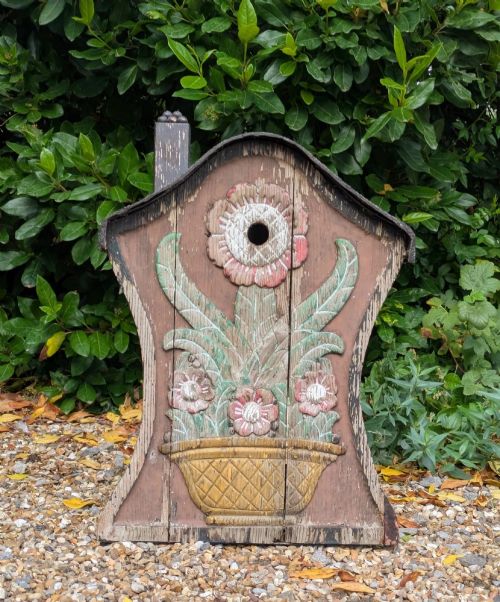
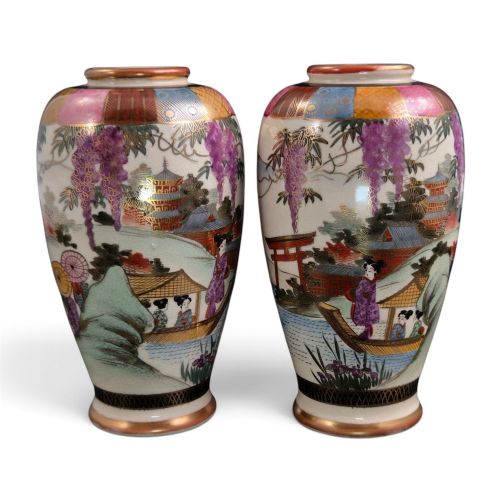
Hand Painted Boxes
When you search for hand painted boxes, you encounter an array of small vessels created for snuff, trinkets, and personal storage.
Hand Painted Boxes
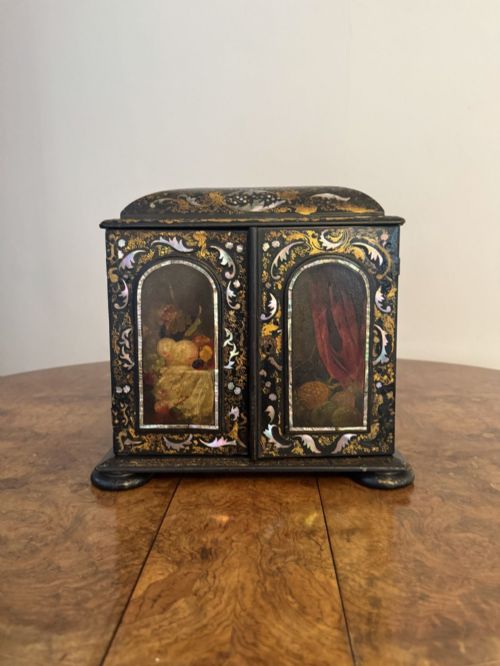
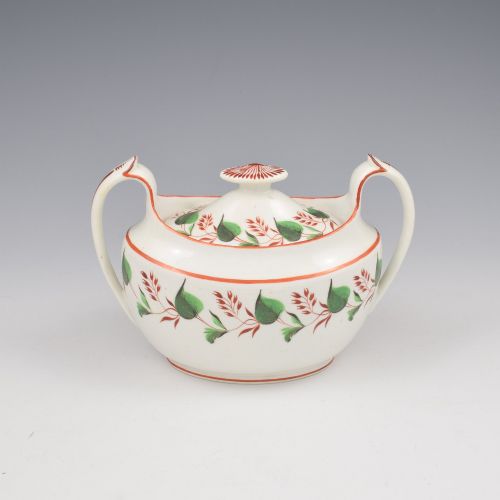
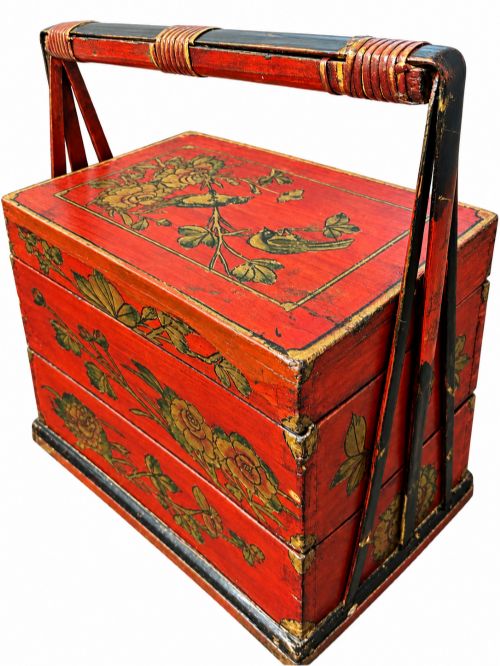
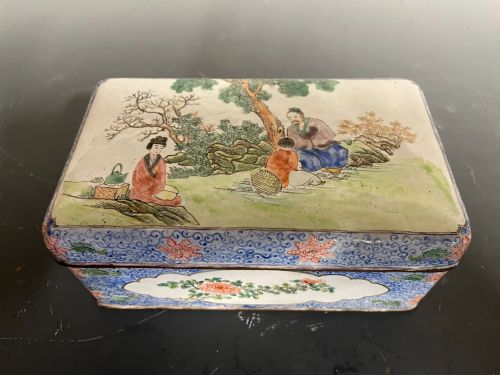
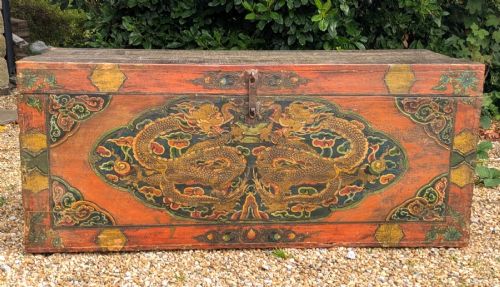
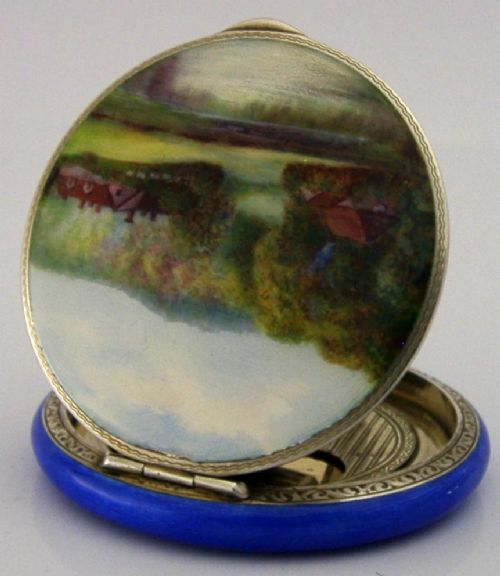
Hand painted boxes span centuries of utility and decoration, taking forms such as snuff boxes, trinket boxes, and larger chests. Enamel patch boxes from the eighteenth century appear alongside nineteenth-century lacquer, papier-mâché, and porcelain containers.
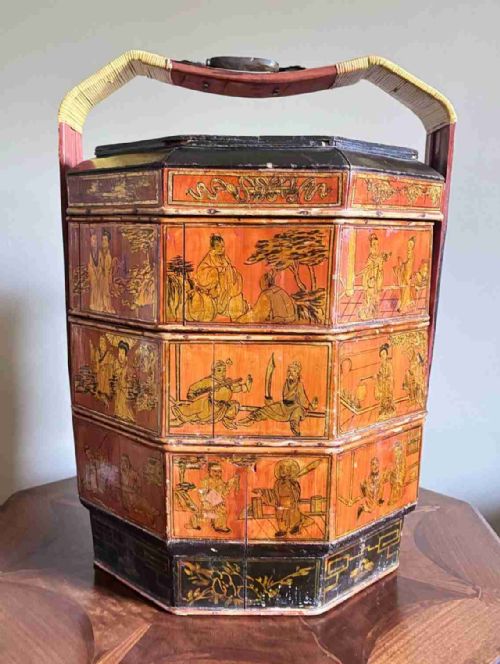
The selection includes diverse regional styles, ranging from English Bilston enamels and Staffordshire pieces to Chinese export lacquer, Scandinavian folk art boxes, and French porcelain vessels. Smaller pocket-sized containers contrast with larger painted pine chests and marriage caskets.
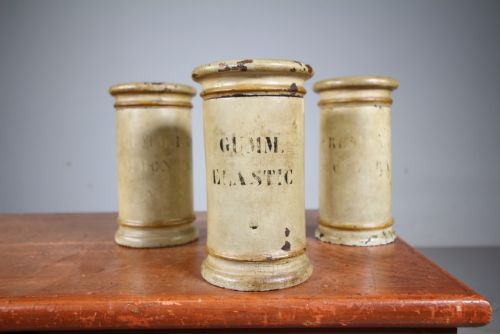
Domestic and personal items dominate the selection, including cigarette cases, vanity jars, and spice or sewing containers. Each piece reflects the aesthetic priorities and material culture of its specific period, from Georgian restraint to Victorian ornamentation.
How they were made
Makers utilised a range of primary materials including enamel, wood, papier-mâché, porcelain, and metal. Pine and bamboo provide structural support for larger painted chests and baskets, while copper serves as the base for many eighteenth-century enamel snuff boxes.
Surface decoration relies heavily on direct application of paint, lacquer, and gilt detailing upon prepared grounds. Artisans employed specialised techniques such as layering Chinese red lacquer, firing enamel pigments onto metal bases, and applying hand-forged iron strapwork to wooden storage pieces.
Hand Painted Boxes Retail Price Guide 2026
Typical asking prices for hand painted boxes among the pieces listed under this phrase on Sellingantiques today, from the lower quarter to the upper quarter. They describe what is for sale here now, not the wider market.
Listings feature eighteenth-century copper and enamel patch boxes alongside nineteenth-century lacquer and folk art wooden chests.
What varies in quality
Quality rests significantly on the precision and preservation of the hand-painted surface work. Finer examples display crisp detail in figurative scenes, botanical motifs, or heraldic decoration, whereas lesser pieces suffer from fading, rubbing, or crude amateur application.
The integrity of the underlying material substrate dictates the durability and overall calibre of the object. Smoothly turned papier-mâché, securely mounted sterling silver fittings, and finely fired enamel coatings represent superior execution compared to unstable joints or degraded lacquers.
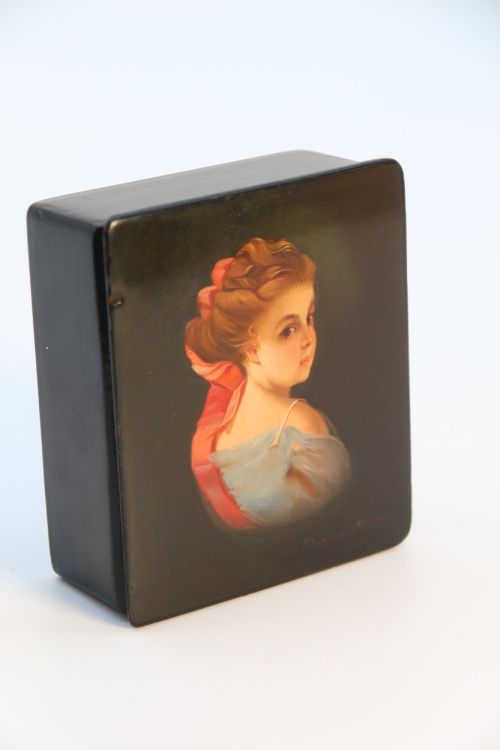
Vishnyakov Workshop
The Hand Painted Boxes Glossary
- Enamel
- A vitreous composition fused to a metal base through high-temperature firing. This technique creates a glossy, durable surface suited for detailed miniature paintings on small boxes.
- Papier-mâché
- A composite material made from paper pulp or layers of paper reinforced with glue or resin. Artisans moulded this medium into snuff boxes and cases before lacquering and painting the exterior.
- Patch box
- A small container designed to hold cosmetic patches made of silk or velvet popular during the eighteenth century. These hinged boxes typically feature mirrored interiors and elaborate painted lids.
- Lacquer
- A durable resin applied in multiple thin coats and polished to a smooth finish. Asian and European workshops utilised this technique to seal wooden and papier-mâché surfaces against moisture.
Hand Painted Boxes: Frequently Asked Questions
What were small antique boxes used for?
Small antique boxes served practical daily functions such as holding tobacco, snuff, cosmetic patches, or sewing implements. Wealthy owners kept them on dressing tables or carried them in pockets as personal accessories.
Over time, these vessels transitioned from utilitarian objects into decorative collectibles displayed in cabinets. Their compact design made them ideal gifts and tokens of status during the eighteenth and nineteenth centuries.
How do I distinguish eighteenth-century enamel boxes?
Eighteenth-century enamel boxes, particularly those from English centres like Bilston and South Staffordshire, feature copper bases coated in white or coloured enamel. The hand-painted decoration on the lid often depicts pastoral scenes, mottoes, or portraits.
Examination of the interior reveals characteristic copper pitting and simple brass mounts with loose hinge pins. The enamel surface typically exhibits a soft, mellow gloss rather than the high-shine finish of later reproductions.
How should I care for painted wooden boxes?
Painted wooden boxes require stable environmental conditions away from direct sunlight and high humidity to prevent the wood from warping. Excessive moisture causes paint layers and gesso grounds to lift from the substrate.
Dusting should be performed gently with a dry, soft brush without applying commercial polish or chemical cleaners. Preserving the original dried surface protects the historical integrity of the piece.
What is papier-mâché?
Papier-mâché is a composite material formed by pressing paper pulp or glued paper sheets into moulds. Once dried, the rigid substance provides a lightweight yet durable base for decorative finishes.
Craftsmen coated these objects in multiple layers of dark lacquer before applying hand-painted or transfer-printed scenes. This technique flourished in European centres during the Georgian and Victorian eras for small personal items.