


Hand Painted Botanical Table
A hand painted botanical table brings natural colour into a room through floral and plant decoration applied directly to wood, porcelain, or ceramic.
Hand Painted Botanical Table
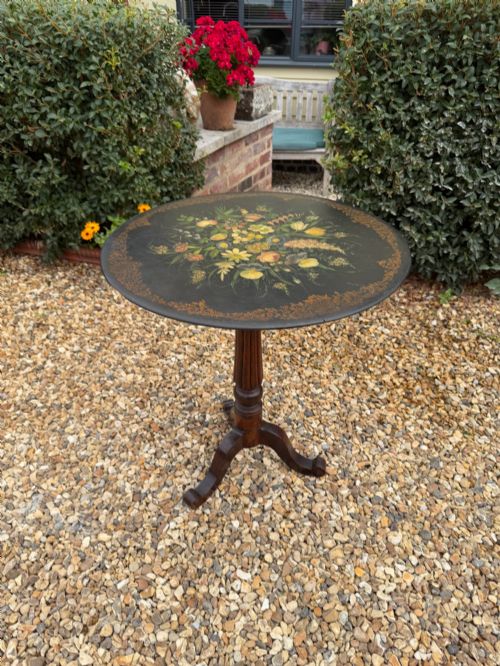
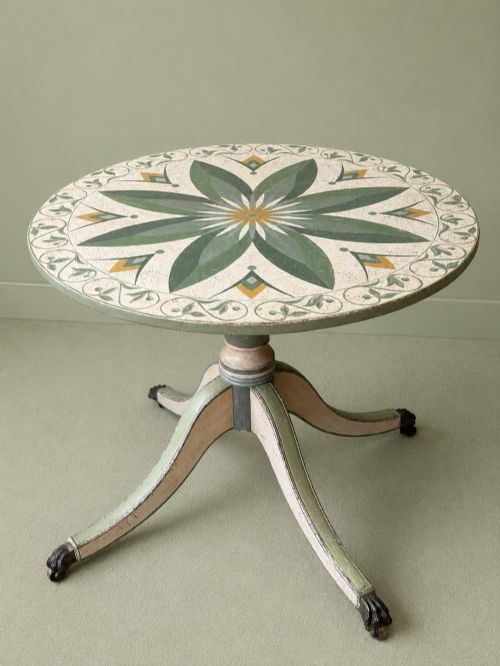
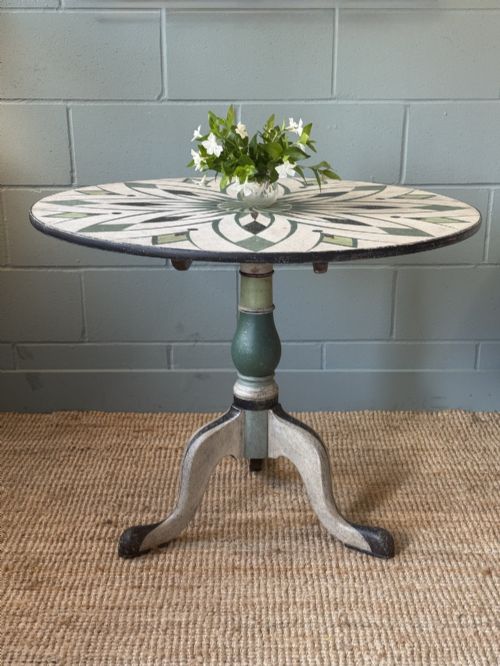
A hand painted botanical table brings floral and plant imagery directly onto furniture surfaces, predominantly appearing in occasional, side, tilt-top, and gypsy table forms. These pieces span the 18th century, Georgian, Regency, Victorian, Edwardian, and 19th-century periods, showing the enduring popularity of botanical motifs across different eras.
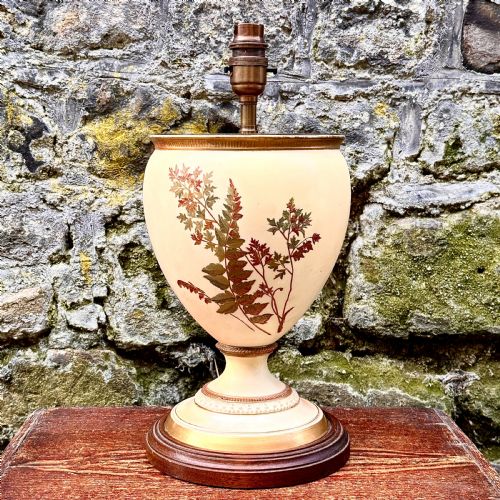
The decorative schemes on these tables range from later painted floral designs on Victorian tilt-top surfaces to ebonised gypsy tables and French provincial or Anglo-Indian styles. While the search phrase focuses on tables, the broader category includes related items like cabinets, sauce boats, and ceramic table lamps sharing similar painted plant decoration.
Buyers encounter various construction types, from solid mahogany tilt-top tables to ebonised occasional pieces. The integration of painted botanical art transforms a functional piece of furniture into a decorative focal point reflecting historical tastes for natural history and floral illustration.
Materials and construction methods
Wood serves as the primary structural material for these tables, with mahogany and ebonised timber providing dark, stable grounds that contrast with colourful painted decoration. Brass fittings often appear on tables and related items such as table lamps to accent the woodwork.
Paint and porcelain are integral to the decorative surface, applied either directly to the wooden top or incorporated via ceramic plaques and porcelain elements. Techniques range from freehand botanical illustration on wood to the integration of soft-paste porcelain and enamel details found in related vases and tableware.
Listings feature Victorian, Edwardian, and 18th-century pieces, spanning wood, brass, porcelain, enamel, and mahogany materials.
Assessing quality in painted tables
The refinement of the brushwork separates simpler vernacular pieces from finer examples, as detailed botanical illustration requires a steady hand and botanical accuracy. The integration of the painted design with the underlying wood or ebonised finish dictates the overall visual harmony of the piece.
The structural integrity of the table frame and the preservation of the original painted surface influence the standing of an object. Tables featuring contemporary or later painted floral designs must be evaluated by how well the decorative layer complements the age and construction of the timber beneath.
Royal Worcester·Chelsea Derby·Spode China·Melissa White
The Hand Painted Botanical Table Glossary
- Tilt-top table
- A small table with a tabletop that pivots to a vertical position when not in use. This mechanism saved space in smaller rooms.
- Ebonised
- Wood finished with a dark stain or black paint to imitate ebony. This treatment became popular in various periods to provide a high-contrast ground for bright painting.
- Gypsy table
- A lightweight three-legged occasional table often draped with fabric or finished with painted decoration. They gained popularity during the late 19th and early 20th centuries.
- Soft-paste porcelain
- A ceramic material composed of clay and glass frit, fired at lower temperatures than hard-paste porcelain. It allowed for soft, absorbent grounds that held enamel colours particularly well.
- Occasional table
- A small, versatile table intended to be moved around a room as needed. They appear in numerous styles and decorative finishes.
Hand Painted Botanical Table: Frequently Asked Questions
How do I clean a painted table top?
Dust the surface gently with a soft, dry cloth to prevent scratching the painted botanical decoration.
Avoid using liquid cleaners, polishes, or harsh chemicals that can soften or lift old paint layers from the wood.
Can I use these tables for daily dining?
These occasional and side tables are lightweight and primarily intended for display rather than heavy daily use.
Protect the painted surface from moisture, heat, and heavy objects by using coasters or mats.
How do I date a Victorian painted table?
Examine the timber construction, joinery methods, and the wear patterns on the underside of the table.
Compare the style of the floral painting with period botanical illustrations and known examples from the era.