
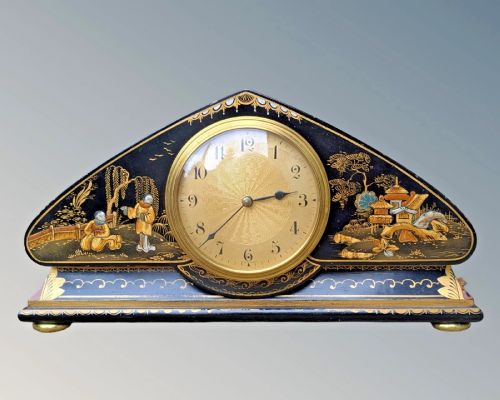
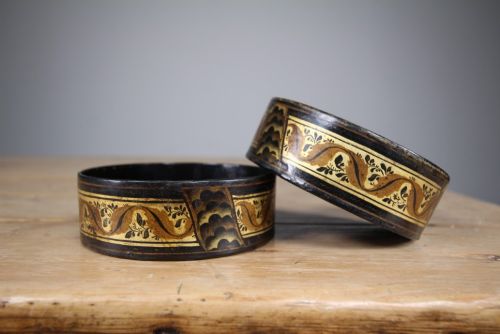
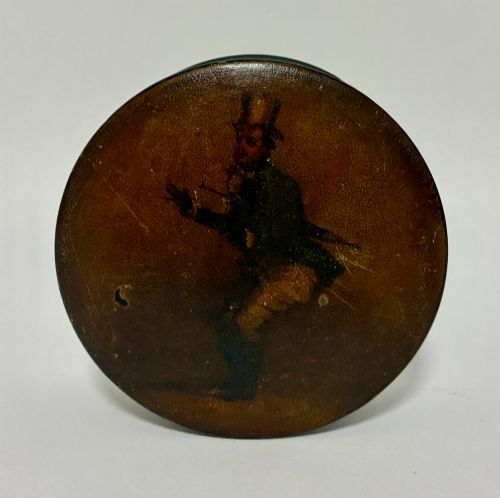
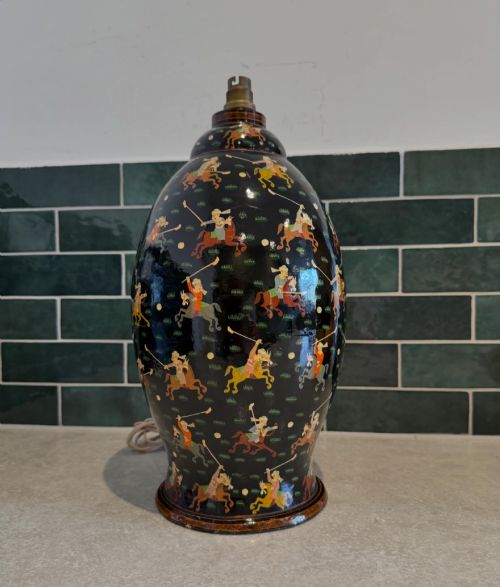
Hand Painted Black Tables
Hand painted black tables bring depth and decorative narrative to a room through dark lacquer, gilt, and painted ornament.
Hand Painted Black Tables
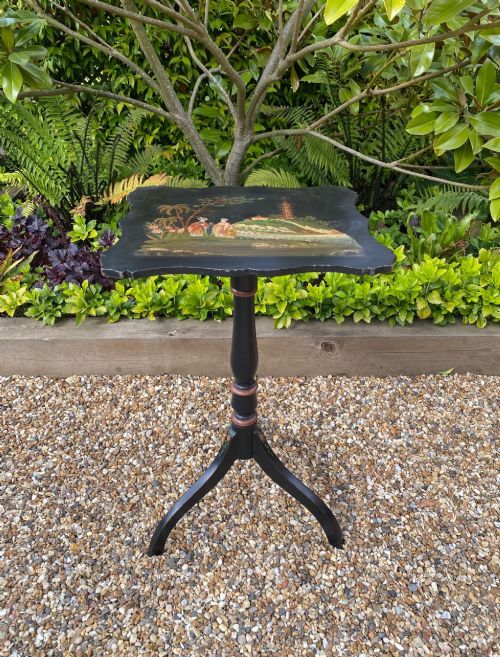
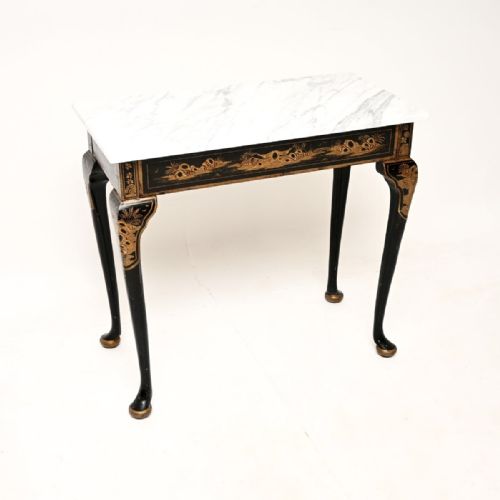
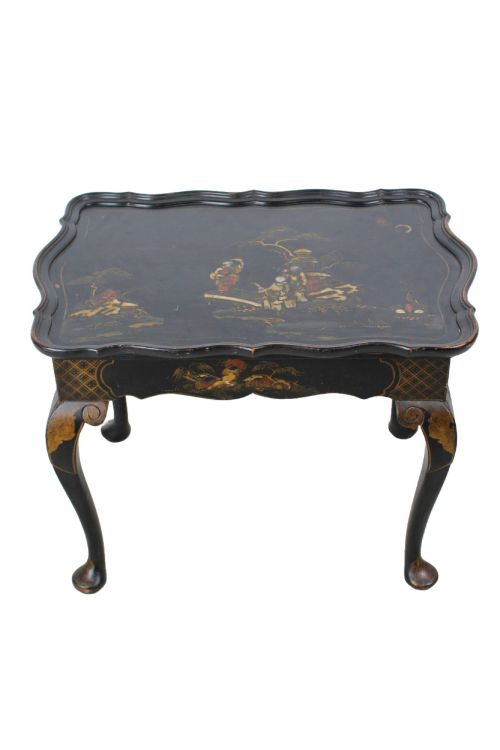
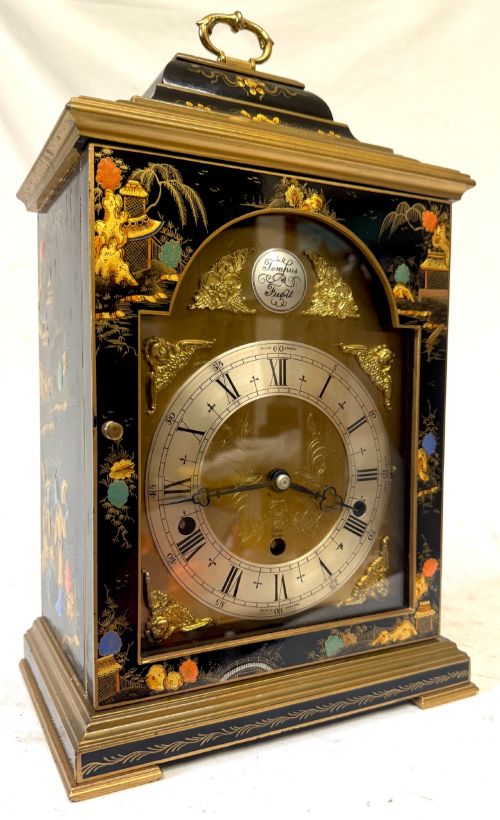
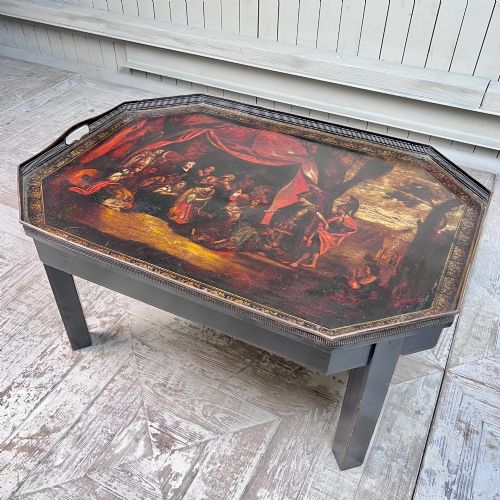
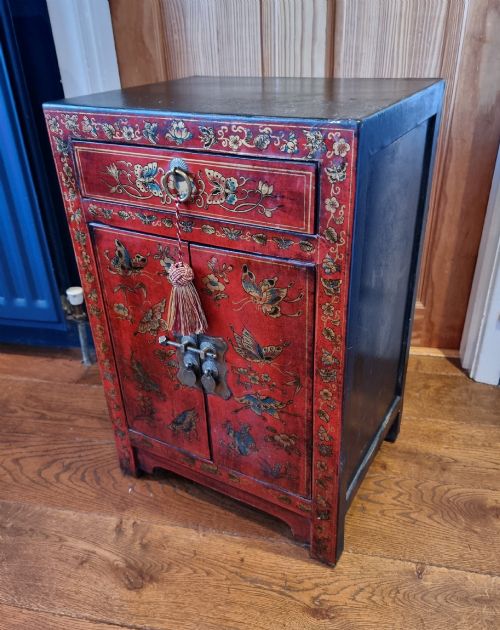
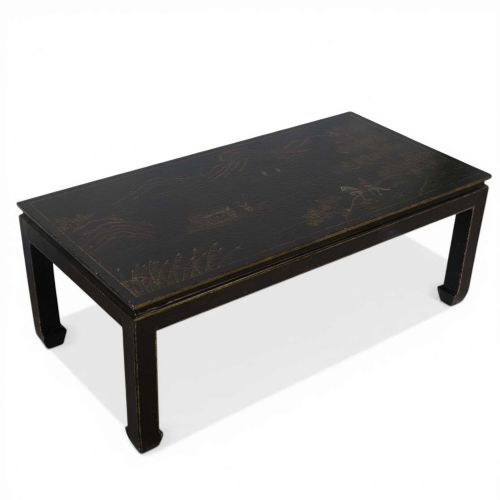
Hand painted black tables encompass a variety of forms designed for display and utility, including side tables, coffee tables, tray tables, and nests of tables. These pieces draw heavily on Chinoiserie and Japanned traditions, where dark surfaces provide a rich background for pictorial decoration.
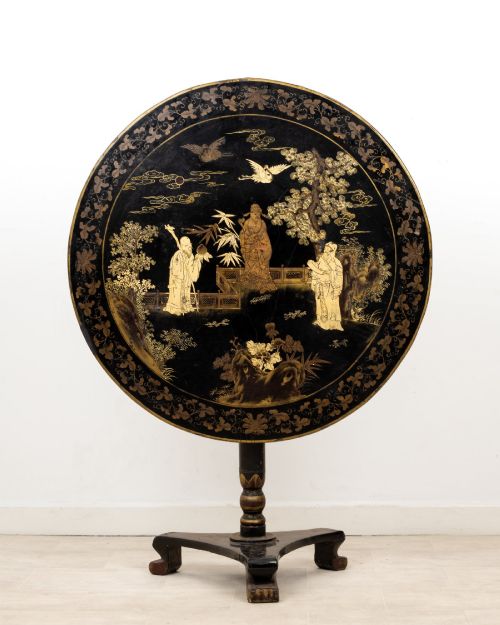
The selection ranges from nineteenth-century Chinese export lacquer work and Victorian papier-mâché items to Edwardian and later interpretations of Asian designs. Side tables and coffee tables dominate the offerings, often featuring figures, landscapes, or geometric motifs rendered in paint and gold leaf.
Origins span English workshops influenced by Eastern aesthetics as well as direct imports from Asia. Buyers encounter items ranging from occasional tables with tilt tops to tray tables supported by folding stands.
How they were made
Construction relies on wood, papier-mâché, and toleware as structural bases, which are then primed and coated with layers of dark lacquer or paint. Artisans applied successive coats to achieve a smooth, deep finish before adding ornamental details.
Decoration typically involves hand painting combined with gilt and gold leaf to create contrasting motifs against the dark ground. Brass elements and occasional marble tops appear on specific forms, adding weight and structural variation to the tables.
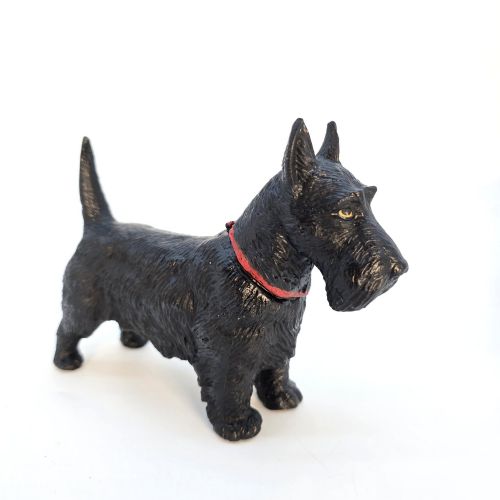
Among the small decorative items accompanying the tables, a cast metal Scottie dog table lighter from 1920 keeps watch.
What varies in quality
Quality rests upon the execution of the hand-painted surface and the depth of the lacquer finish. Superior examples display refined brushwork, detailed figural or landscape scenes, and careful application of gold leaf that integrates harmoniously with the dark background.
The integrity of the underlying material, whether wood or papier-mâché, alongside the preservation of the original decorative scheme, dictates the distinction between standard production pieces and finer decorative works.
Elliott London·Stobwasser
The Hand Painted Black Tables Glossary
- Chinoiserie
- European decorative style reflecting Chinese artistic influences, frequently characterised by painted landscapes, figures, and pavilions on lacquered grounds.
- Japanned
- European imitation of East Asian lacquerwork, created by applying layers of varnish and paint, often featuring raised gilt decoration.
- Papier-mâché
- A composite material made from paper pulp or layers of paper bound with adhesive, moulded and dried to form rigid objects such as tables and boxes.
- Toleware
- Enamelled or lacquered metalware, typically tinplate, decorated with painted scenes or floral motifs.
- Tripod side table
- A small freestanding table supported by a central pillar resting on three spreading feet.
Hand Painted Black Tables: Frequently Asked Questions
What periods do these tables come from?
The selection spans from the Georgian era through the nineteenth century, extending into Edwardian times and the early decades of the twentieth century. Pieces reflect prevailing design revivals of their respective decades.
Craftsmanship adapts across these periods, moving from traditional papier-mâché and exported lacquer to later Edwardian and Jazz Age interpretations of Chinoiserie.
How do I care for a lacquered surface?
Maintain lacquered and painted surfaces by dusting gently with a soft, dry cloth. Avoid exposure to direct sunlight and moisture to protect the finish.
Keep these tables away from extreme temperature fluctuations to prevent the wood or lacquer beneath from shifting.
What is the difference between Chinoiserie and Japanned?
Chinoiserie encompasses European interpretations of Chinese motifs, focusing on pictorial scenes of figures, architecture, and gardens. Japanned specifically denotes the European technique of imitating Japanese lacquerwork using dark varnishes.
Both styles utilise dark grounds and metallic highlights, but their historical origins and terminology diverge slightly in period cataloguing.
Were these tables used for dining?
Most forms on this page, such as side tables, coffee tables, and nests, were intended for display, holding lamps, or serving light refreshments rather than heavy dining. Tray tables and occasional tables offered portable utility for sitting rooms.
Their decorative surfaces prioritised visual charm and light use over heavy domestic service.