


Hand Painted Armoire
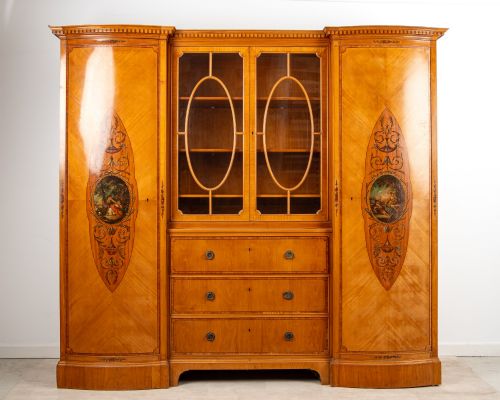
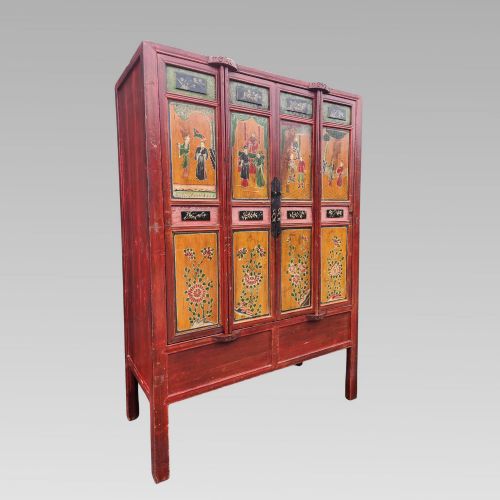
These hand painted armoire examples bring together centuries of folk traditions and formal decorative schemes, offering generous storage alongside striking painted surfaces.
Hand Painted Armoire
A hand painted armoire functions as a substantial storage piece, encompassing wardrobes, marriage cabinets, and larder cupboards. Buyers exploring this category encounter storage furniture ranging from grand European pieces to oriental marriage cabinets.
The selection here draws primarily from nineteenth-century origins, alongside examples from the early twentieth century. Common forms include tall wardrobes, compactum cabinets, and regional cupboards designed for domestic use.
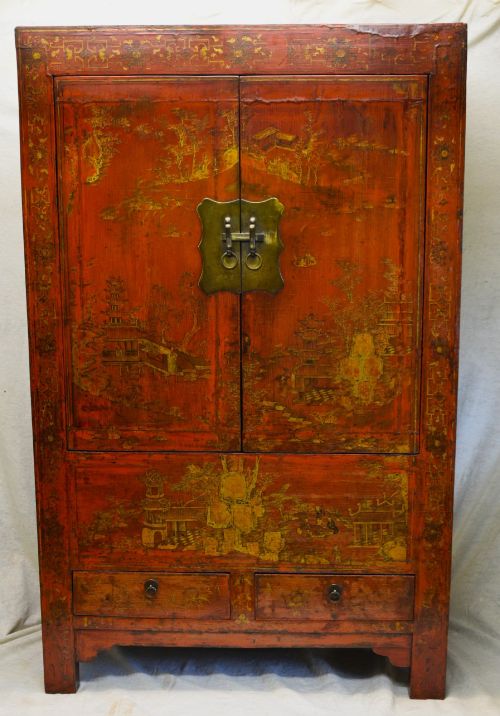
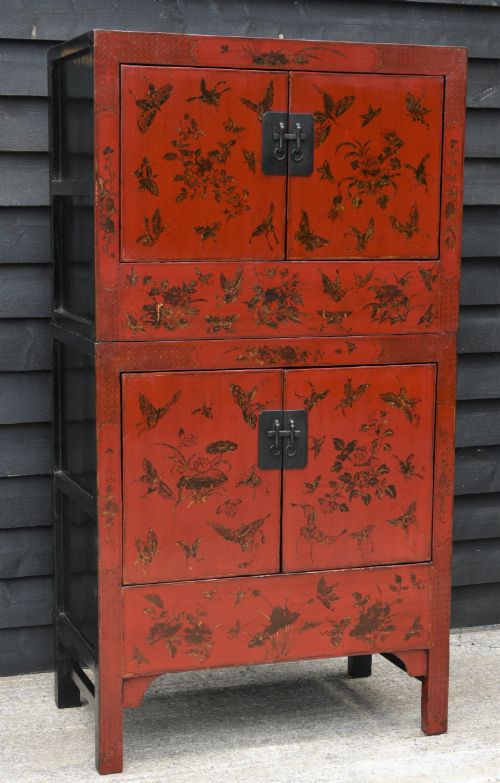
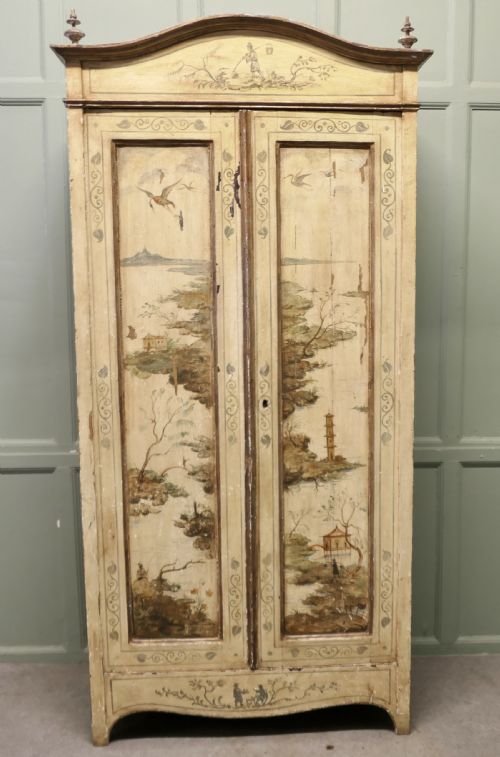
Geographic diversity shapes the selection, with pieces originating from Sweden, China, Italy, and Central Europe. Scandinavian folk art cupboards and Chinese red lacquered cabinets represent two distinct traditions within the inventory.
Materials and construction methods
Carpenters constructed these large storage items predominantly in solid pine and various regional hardwoods. Timber selection dictated how well the wood accepted preparatory grounds before applying decorative paint layers.
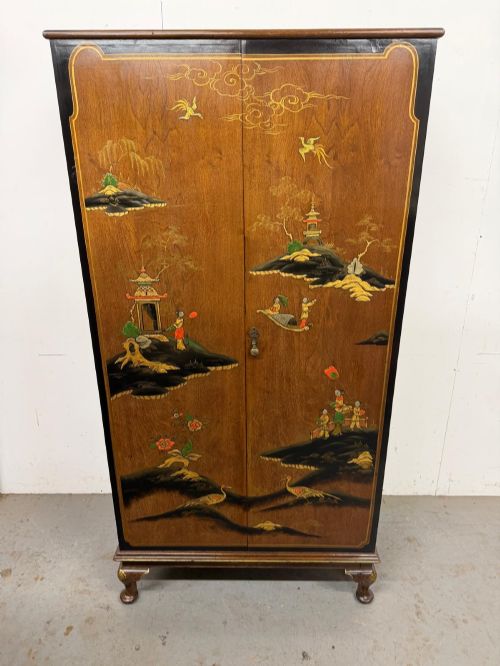
Artisans applied surface decoration using oil-based paints, polychrome pigments, and lacquer finishes. Many surfaces feature detailed figurative scenes, floral motifs, or traditional folk patterns executed directly onto the wood or preparatory layers.
The inventory includes Chinoiserie, Scandinavian folk art, Italian country, and traditional Chinese design styles.
Evaluating craftsmanship and condition
The distinction between standard utility storage and exceptional work lies in the execution of the painted surface. Superior examples display intricate brushwork, well-preserved pigment depth, and harmonious proportions across doors and panels.
Structural integrity of the timber carcass and original hardware, such as brass hinges and iron latches, also influence the standing of a piece. Original painted surfaces that survive without extensive overpainting command greater interest from collectors.
The Hand Painted Armoire Glossary
- Armoire
- A large wardrobe or cupboard, typically featuring two doors enclosing shelf or hanging space. Originally used in France for storing arms and vestments before evolving into general bedroom furniture.
- Chinoiserie
- The European interpretation and imitation of Chinese artistic traditions, popular in furniture decoration. Artisans applied these motifs to cabinets and wardrobes using lacquer and painted scenes.
- Compactum
- A fitted wardrobe containing a combination of drawers, shelves, and hanging space within a single unit. Edwardian makers often embellished these efficient storage items with hand-painted panels.
- Polychrome
- The practice of decorating architectural elements or furniture in a variety of colours. This technique defines many regional European cupboards and storage cabinets.
- Lacquered
- Coated with natural resin varnish that dries to form a hard, durable, and glossy finish. Chinese marriage cabinets frequently utilise this method to protect and adorn the wood.
Hand Painted Armoire: Frequently Asked Questions
How do I clean a painted armoire?
Dust the surface regularly with a soft, dry cloth to prevent dirt accumulation on the painted finish. Avoid harsh chemical cleaners, modern detergents, or excessive moisture that might lift or damage historical pigments.
Test any mild cleaning method on a hidden area first if grime persists. Maintaining a stable indoor humidity level protects both the timber structure and the delicate painted decoration over time.
Can these cabinets fit modern hangers?
Many older wardrobes and armoires were built for folded linens or shorter garments rather than modern longer clothing. Check the internal depth and hanging height before purchase to ensure your specific wardrobe requirements are met.
Some pieces feature adjustable shelving or fixed configurations designed strictly for shelved storage. Adapting the interior requires careful consideration so historical timbers remain unaltered.
Where should I place an armoire?
Position your storage piece away from direct sunlight and strong heat sources to prevent the wood from warping. Fluctuating temperatures can cause painted surfaces and lacquers to crack or flake over long periods.
Ensure the floor surface is level so the large doors hang correctly and close smoothly without binding. Adequate clearance around the piece allows the doors to open fully for everyday access.
How do I identify regional styles?
Scandinavian cupboards often feature pale painted finishes and folk art floral motifs reflecting rural traditions. Chinese wedding cabinets are typically distinguished by vibrant red lacquer and oriental landscape scenes.
European pieces from Italy or Austro-Hungary display distinct polychrome palettes and local decorative vocabularies. Comparing the primary timber, hardware style, and pigment application helps clarify geographic origins.