

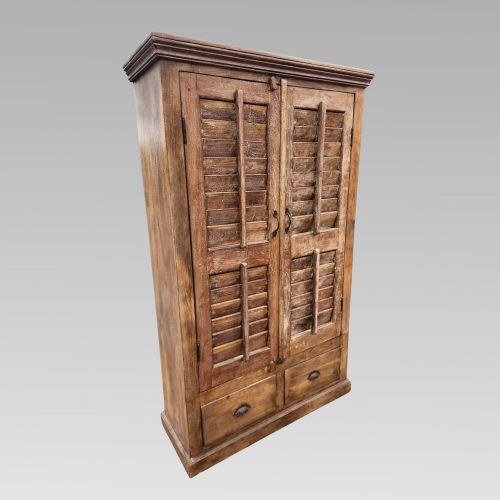


Indian Armoire Cabinet
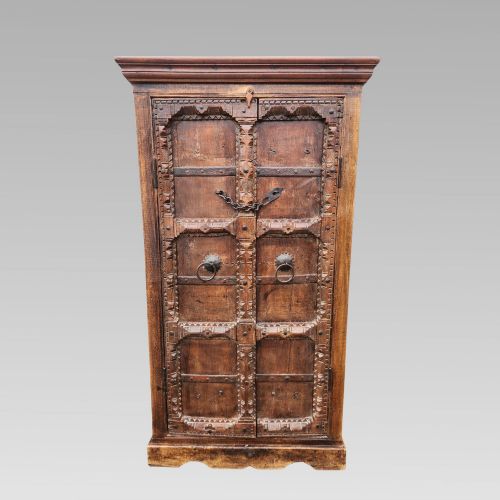
These indian armoire cabinet pieces offer substantial storage rooted in traditional, rustic, and colonial Indian craftsmanship.
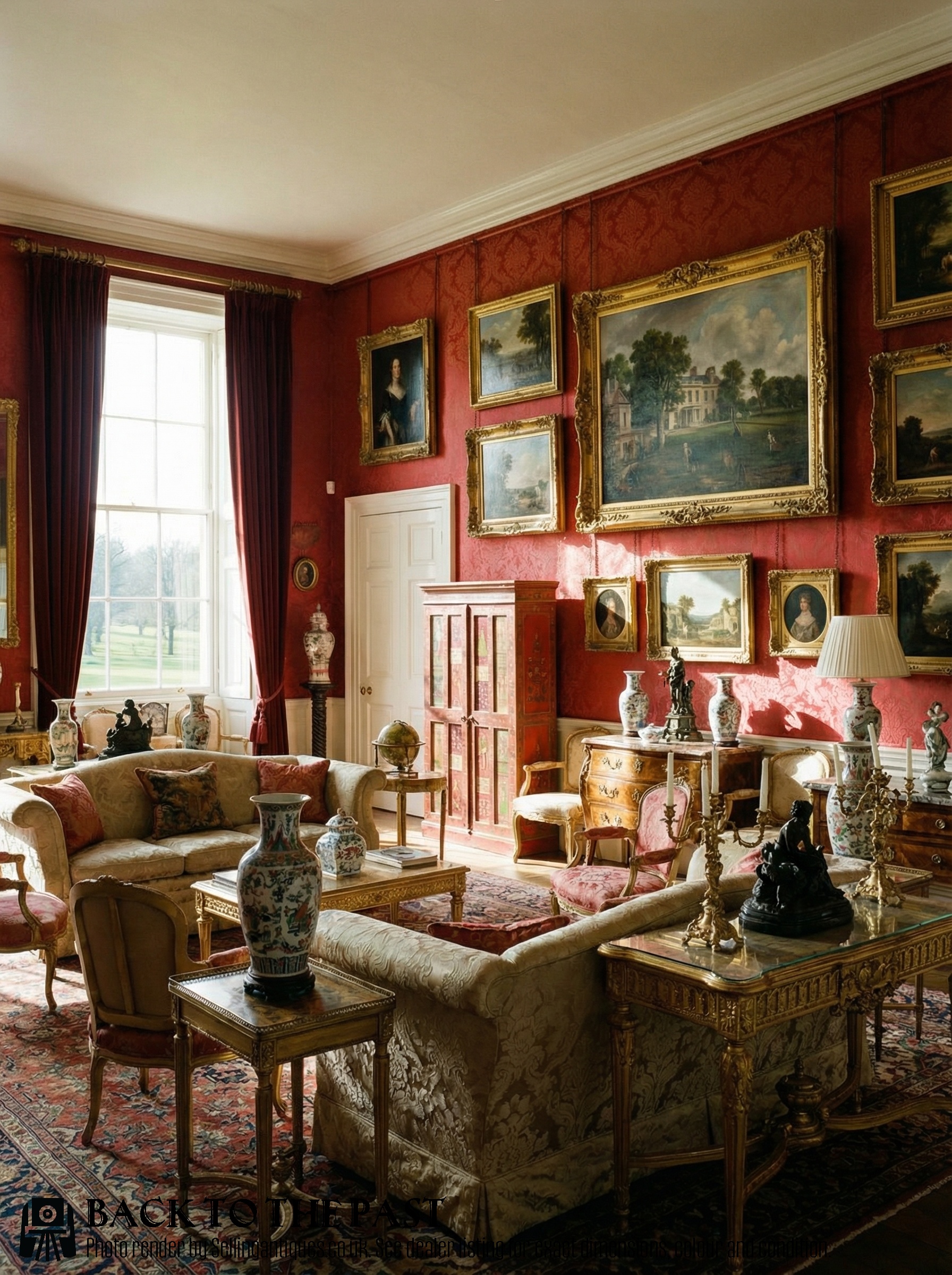
Indian Armoire Cabinet
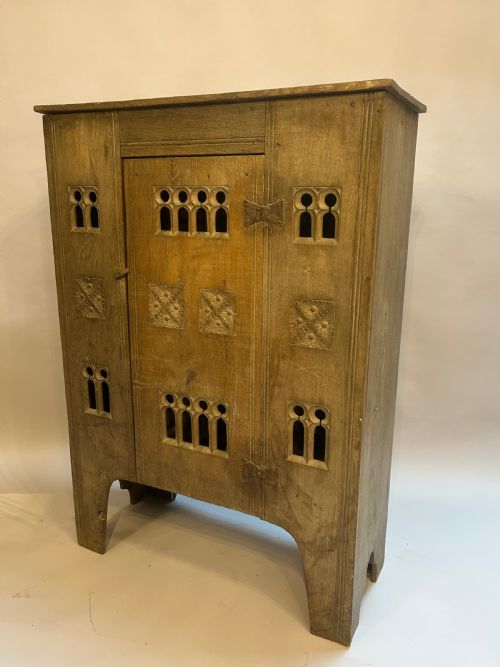
When you search for an indian armoire cabinet, you encounter tall storage cupboards, almirahs, damchiyas, and wardrobes designed for domestic utility. The pieces seen here span the nineteenth century, nineteen hundred, and nineteen thirty, originating from distinct periods of Indian woodworking and design.
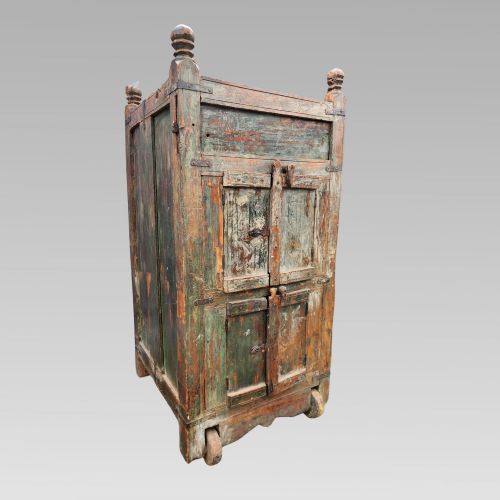
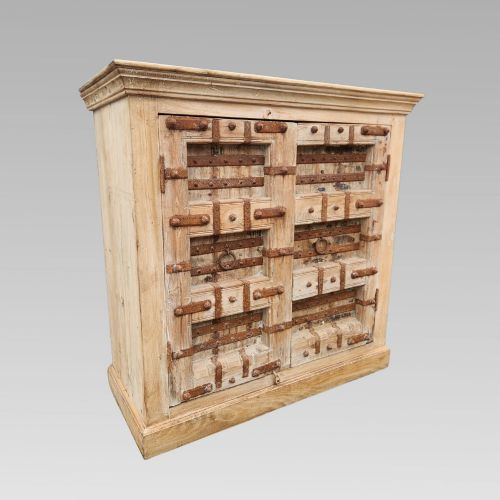
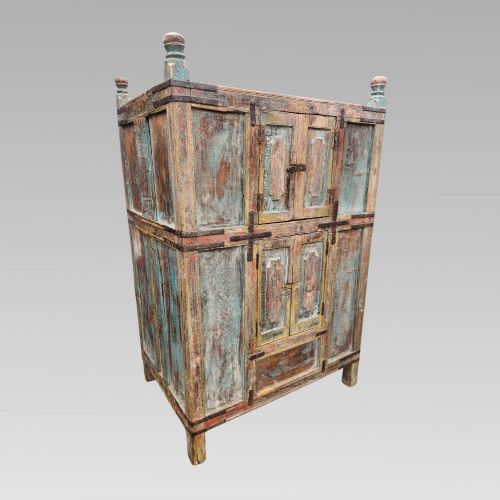
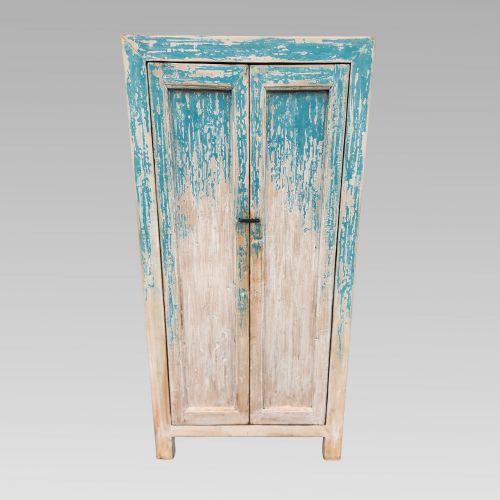
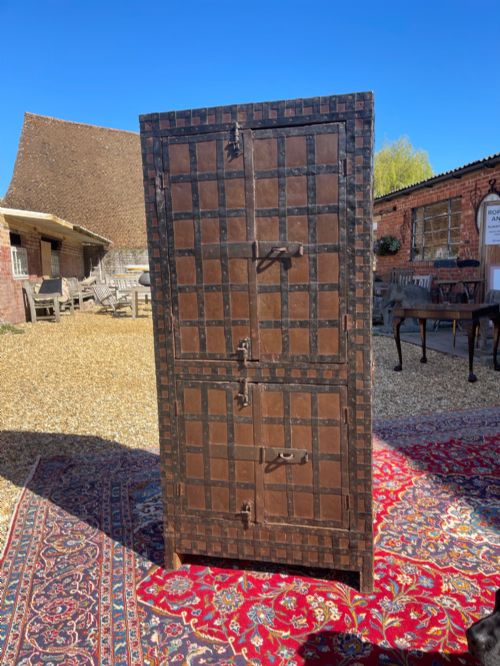
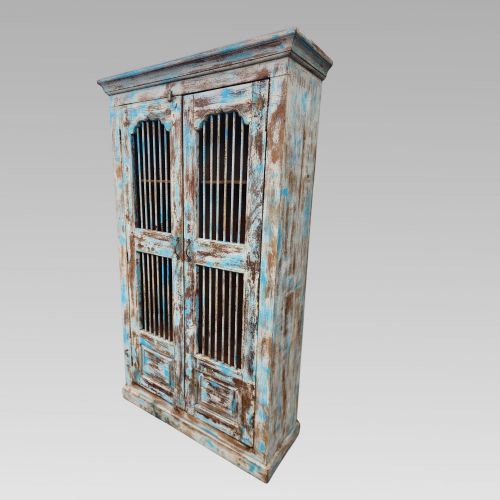
Forms range from metal bound nineteenth-century cupboards to tall painted folk art shelving units and louvre door wardrobes. Traditional, rustic, Anglo-Indian, and colonial Indian styles dominate the selection, showing varied regional influences across different eras.
Most examples function as primary storage cupboards or wardrobes, incorporating internal shelves or hanging space. Buyers frequently find pieces constructed from reclaimed timbers that retain traces of original paint or traditional surface treatments.
How they were made
Construction relies heavily on hardwoods such as teak, cedar, and rosewood, alongside reclaimed timber variants. Makers utilised these durable woods to build robust frames capable of withstanding heavy daily use.
Metal components like iron and brass appear frequently as structural reinforcements, hinges, and bindings. Painted finishes and folk art decorations are applied directly to the wood surfaces, creating distinct visual depth on many cabinets.
Indian Armoire Cabinet Retail Price Guide 2026
Typical asking prices for indian armoire cabinet among the pieces listed under this phrase on Sellingantiques today, from the lower quarter to the upper quarter. They describe what is for sale here now, not the wider market.
Some nineteenth-century cupboards arrive equipped with iron bindings, ready to survive another century of household relocation.
What varies in quality
The degree of surface preservation and the handling of original paint dictate much of the visual distinction across examples. Pieces retaining authentic folk art decoration or uncompromised patina stand apart from simpler utility items.
Structural complexity, such as the inclusion of metal bindings, louvre doors, or intricate joinery, separates standard storage cupboards from statement almirahs. The selection of dense hardwoods like rosewood or early teak also influences the character of the finished cabinet.
The Indian Armoire Cabinet Glossary
- Almirah
- A traditional Indian freestanding cupboard or wardrobe used for storing clothing and household goods. These cabinets often feature heavy doors and robust internal shelving.
- Damchiya
- A traditional low chest or storage cupboard associated with dowry furnishings. These pieces incorporate distinct regional carving and storage compartments.
- Anglo-Indian
- A style combining British colonial design requirements with traditional Indian craftsmanship and materials. This aesthetic frequently merges formal European proportion with rich local timbers.
- Louvre
- A door constructed with horizontal wooden slats that permit ventilation. These doors appear on specific wardrobe and cupboard variants for airflow.
Indian Armoire Cabinet: Frequently Asked Questions
What is an Indian almirah cabinet?
An almirah is a traditional freestanding cupboard utilised for storing garments and domestic items. These pieces provide deep internal storage behind sturdy wooden doors.
They reflect regional woodworking traditions from various periods, often incorporating local hardwoods and traditional hardware.
How were these cabinets used historically?
Historically, these cupboards served as primary domestic storage for textiles, valuables, and daily household goods. Many functioned as dowry chests or wardrobe units within family homes.
Their enclosed design protected contents from dust and climate variations while offering secure storage.
How do I date an antique Indian cabinet?
Dating relies on examining construction techniques, wood types, hardware, and surface finishes. Nineteenth-century examples often feature heavy iron bindings and hand-forged elements.
Later pieces from nineteen thirty frequently utilise reclaimed timbers or incorporate painted folk art decoration specific to their era of production.
How do I fit an armoire into a modern room?
These tall cupboards work well as statement storage pieces in bedrooms, hallways, or living spaces. Their vertical proportions maximise storage capacity without demanding excessive floor area.
Consider the clearance needed for opening doors and the surrounding room palette to highlight painted surfaces or natural wood grains.