



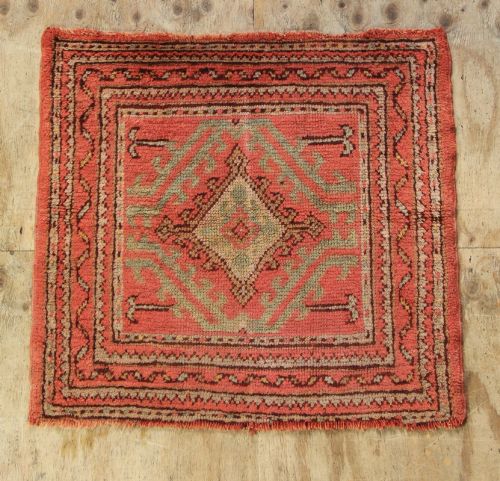
Hand Knotted Turkish Carpet
When you search for a hand knotted turkish carpet, you are looking at woven floor coverings originating from Anatolia across the nineteenth and early twentieth centuries.
Hand Knotted Turkish Carpet
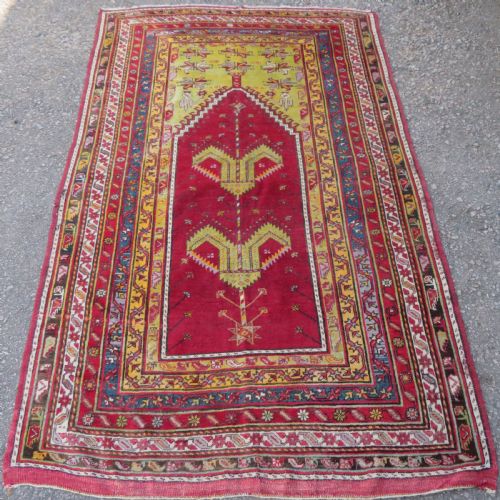
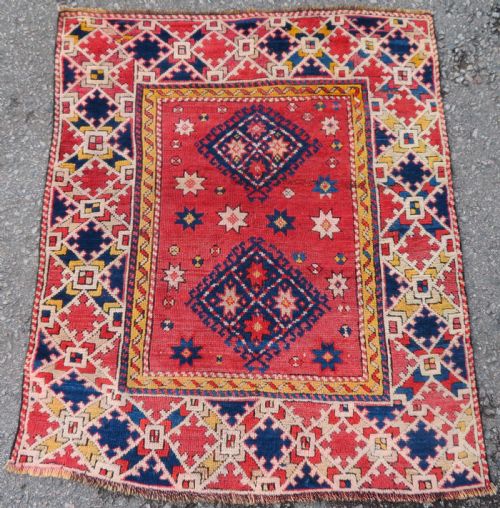
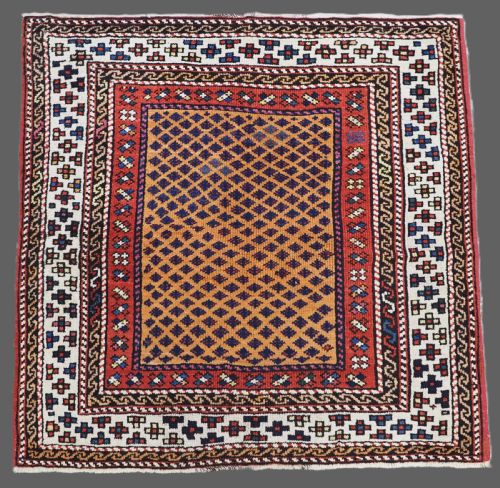
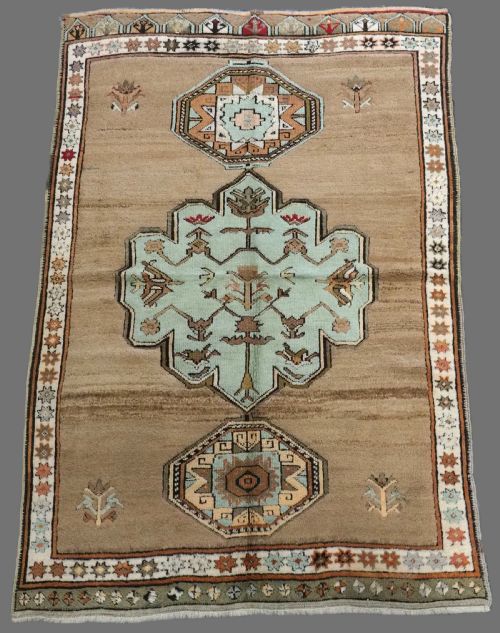
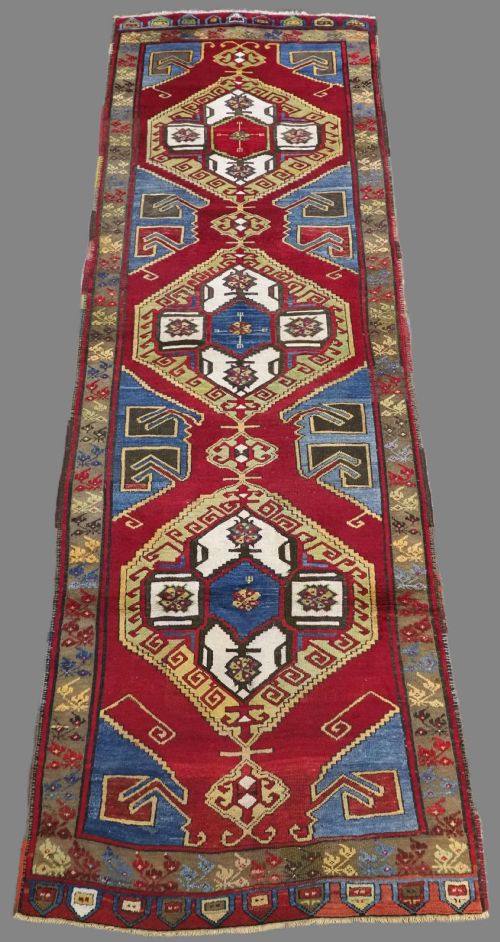
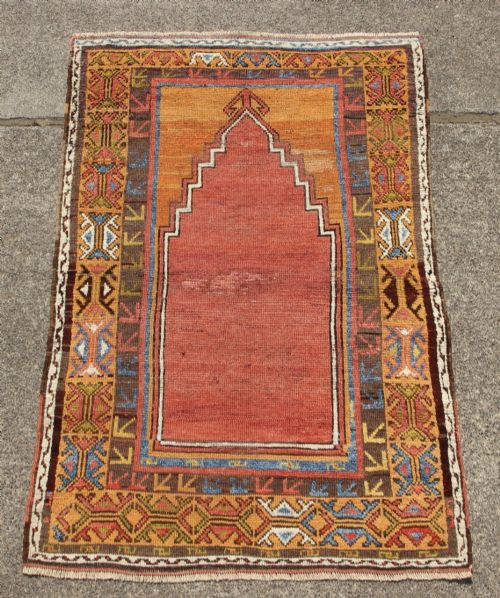
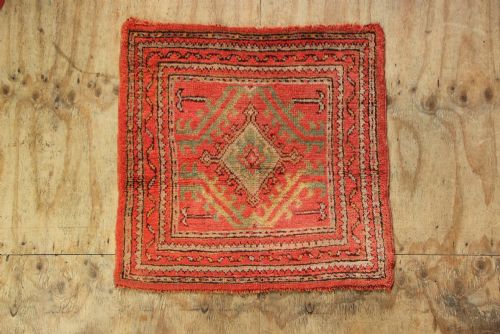
A hand knotted turkish carpet encompasses various traditional forms, ranging from room-sized carpets and large decorative pieces down to small mats, squares, and specific formats such as long runners and prayer rugs. The examples found here span from the mid-nineteenth century through to the 1930s, reflecting diverse regional styles across Anatolia.
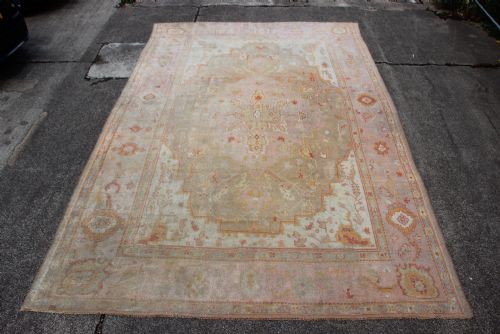
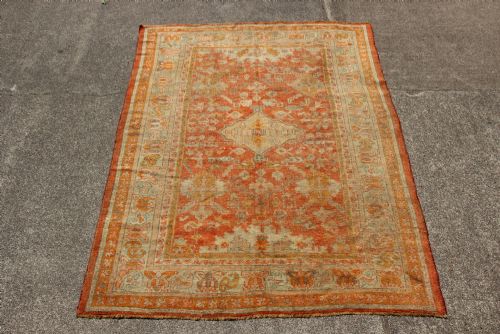
Buyers most frequently encounter large Oushak carpets alongside village pieces originating from centres such as Konya, Bergama, Kirsehir, and Milas. These pieces display distinct regional aesthetics, varying from the expansive fields of Ushak to the geometric layouts of tribal workshops.
How they were made
Weavers constructed these textiles predominantly using wool and cotton foundations, often incorporating hand-spun wool and specific variations like camel wool for the pile. Silk also appears in select pieces, contributing to finer texture and varied light reflection across the surface.
The construction relies entirely on hand-knotting techniques tied onto warp and weft threads, creating a dense pile that supports intricate geometric and floral designs. Dyes derived from natural sources provide the foundational palette, which softens gracefully over decades of light exposure and use.
Object types recorded on this page range from large room carpets and squares down to long runners, prayer rugs, and small decorative mats.
What varies in quality
The standard of a hand knotted turkish carpet rests upon the fineness of the knotting and the integrity of the wool used in the pile, where hand-spun materials and camel wool yield a superior handle. Colour distribution and the subtlety of the dye palette further distinguish finer examples from standard village production.
Design balance and the preservation of the original borders and fringe areas determine the overall standing of an individual rug. Pieces retaining their structural edges without extensive re-weaving demonstrate greater adherence to their original craftsmanship.
The Hand Knotted Turkish Carpet Glossary
- Oushak
- A town in western Anatolia renowned for producing large-scale decorative carpets with soft wool and expansive colour fields. These pieces frequently feature large floral motifs and pale pastel or muted red grounds.
- Prayer rug
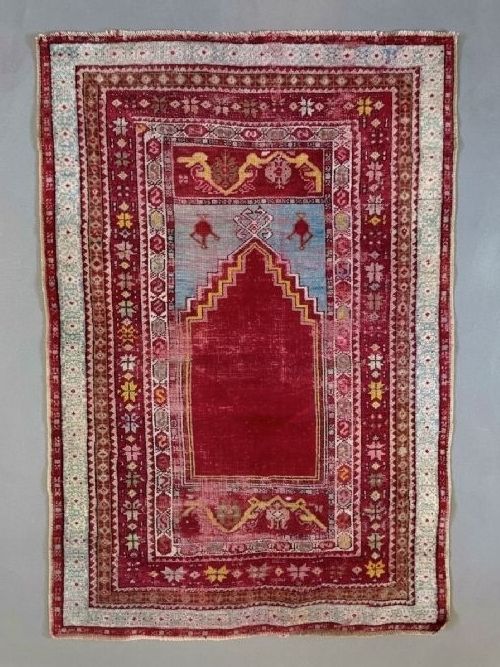
- A specific format featuring a mihrab or arch design at one end, historically utilised for daily Islamic prayer. These rugs were woven in various Anatolian centres including Konya, Ladik, and Kirsehir.
- Runner
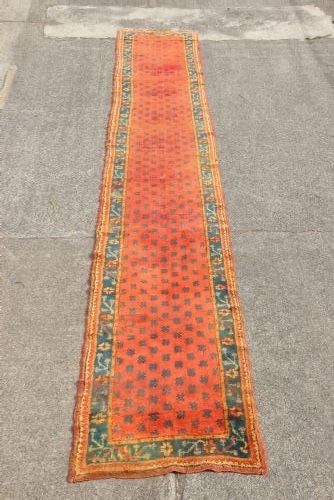
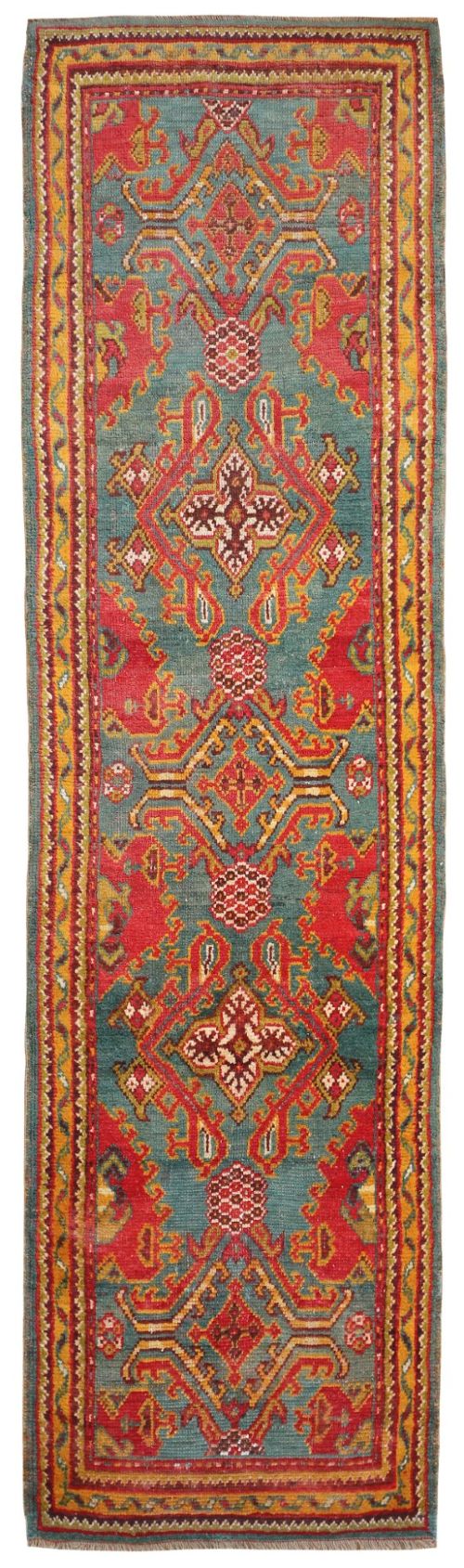
- A long, narrow carpet format designed for hallways, staircases, or corridors. The listings include numerous antique examples produced in Ushak and broader Anatolian regions.
- Anatolian
- Pertaining to the Asian region of Turkey, serving as the broader geographical descriptor for rugs woven across various villages and towns in the territory.
- Warp
- The vertical threads stretched tightly on the loom that form the structural foundation of the carpet. The knots are tied around these stationary threads during the weaving process.
Hand Knotted Turkish Carpet: Frequently Asked Questions
How do I identify a regional style?
Regional styles appear through distinct colour combinations, border patterns, and motif arrangements unique to specific weaving towns like Bergama or Konya. Examining the specific geometry and palette helps connect a textile to its geographical origin.
Village pieces often display bolder, more abstract geometric motifs, whereas city or larger workshop productions like Ushak lean towards sweeping floral or medallion layouts.
Where were these rugs used originally?
These carpets served practical functions on wooden or stone floors within homes, mosques, and public buildings across Anatolia and later European drawing rooms. Larger carpets anchored main living spaces, while specific formats like prayer rugs had devotional purposes.
Runners accommodated long corridors and narrow passageways, protecting surfaces and providing insulation against cold floors.
How should I care for an antique rug?
Gentle vacuuming without a rotating brush prevents dust accumulation while protecting the delicate wool pile and structural knots. Professional cleaning tailored to antique textiles preserves the natural lanolin in the wool.
Keeping the piece away from direct, harsh sunlight prevents the natural dyes from fading unevenly over long periods.
What indicates a prayer rug design?
Prayer rugs feature a distinct pointed arch or niche known as a mihrab at one end of the field, directing the user during worship. This architectural motif often frames a central pillar, lamp, or floral spray.
Examples from Ghiordes, Ladik, and Kirsehir prominently showcase this layout in various regional colour schemes.