

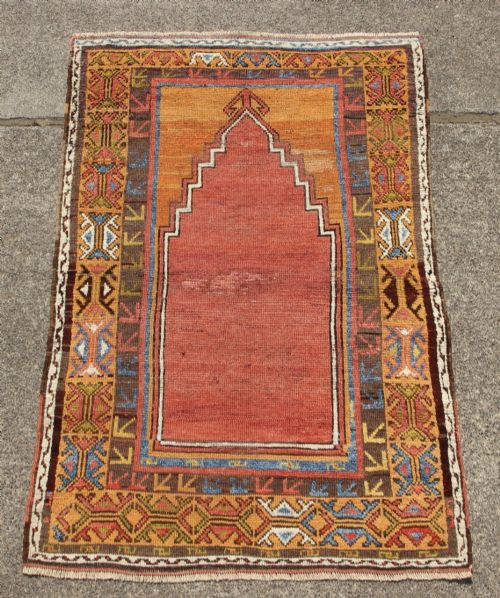
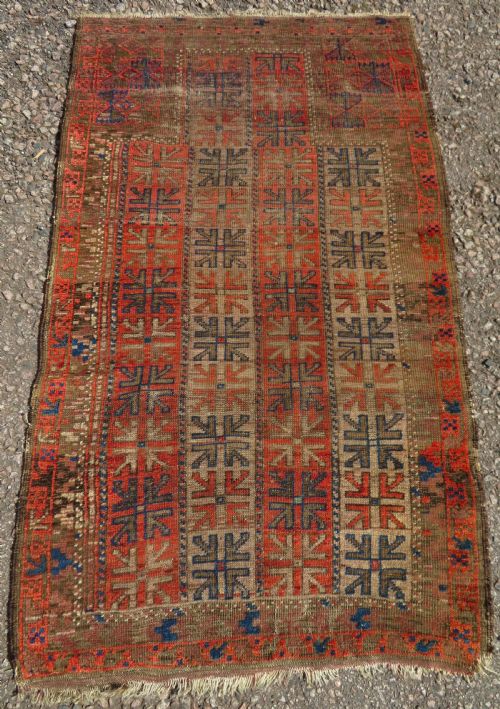
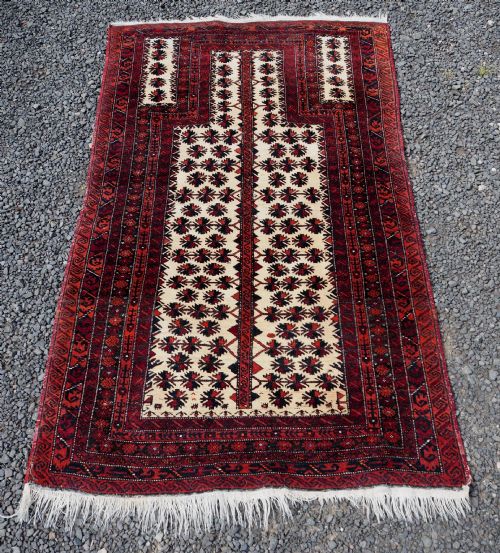
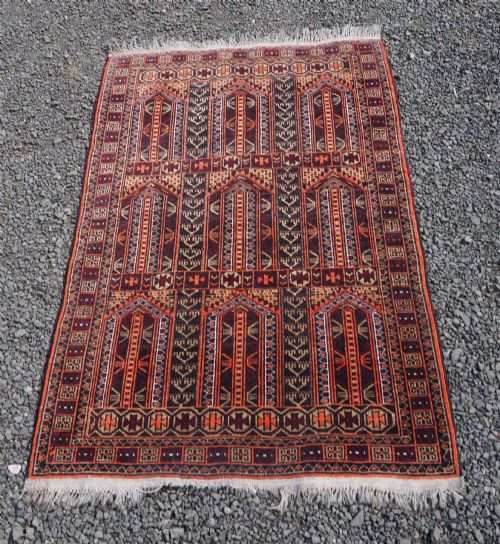


Hand Knotted Prayer Carpet
A hand knotted prayer carpet brings centuries of textile tradition into a room, offering defined mihrab designs created by tribal and village weavers.
Hand Knotted Prayer Carpet
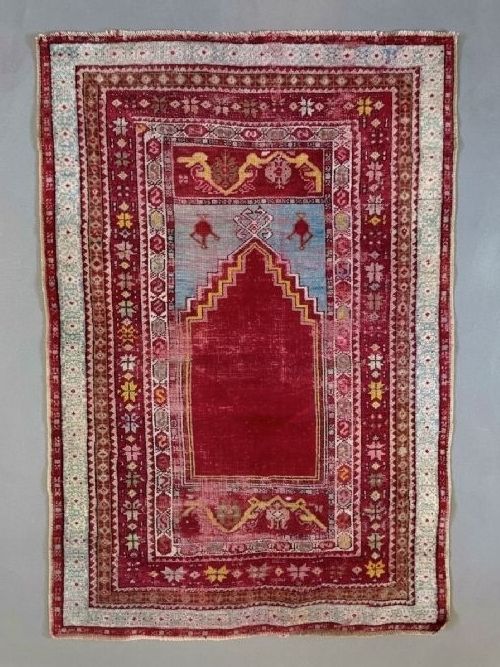
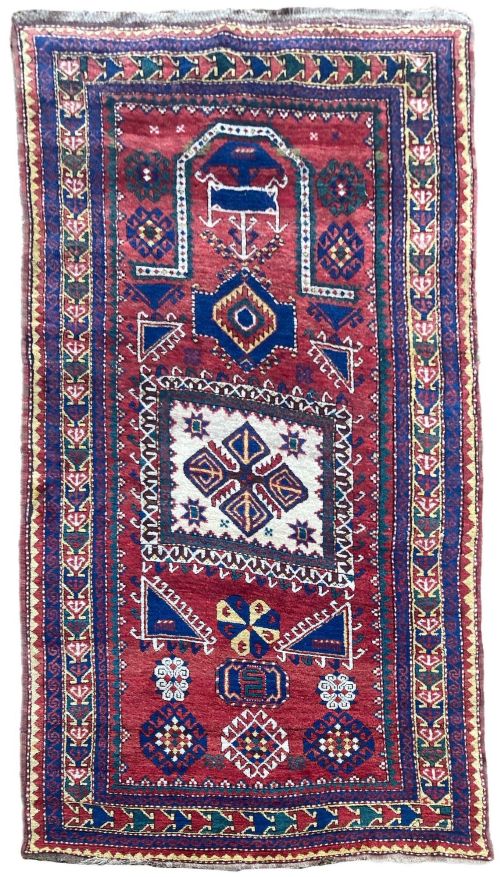
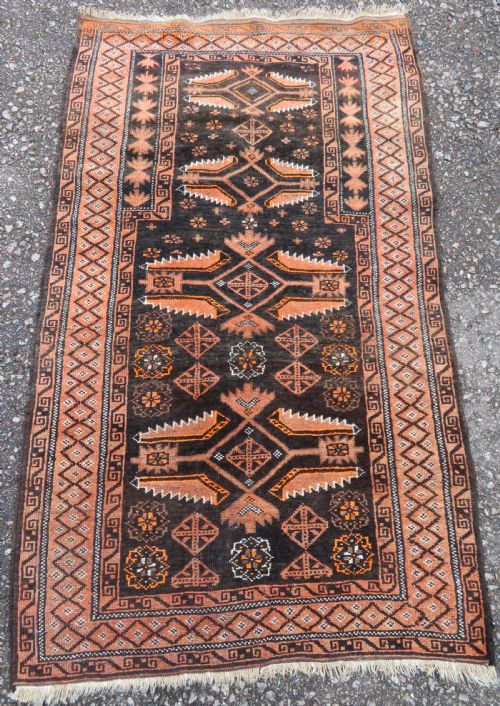
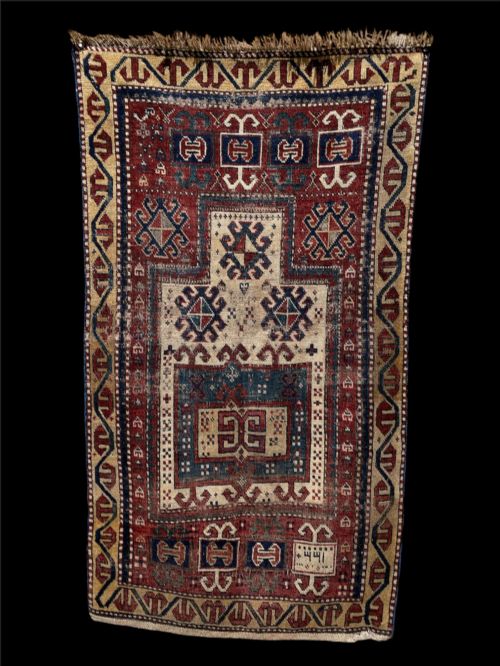
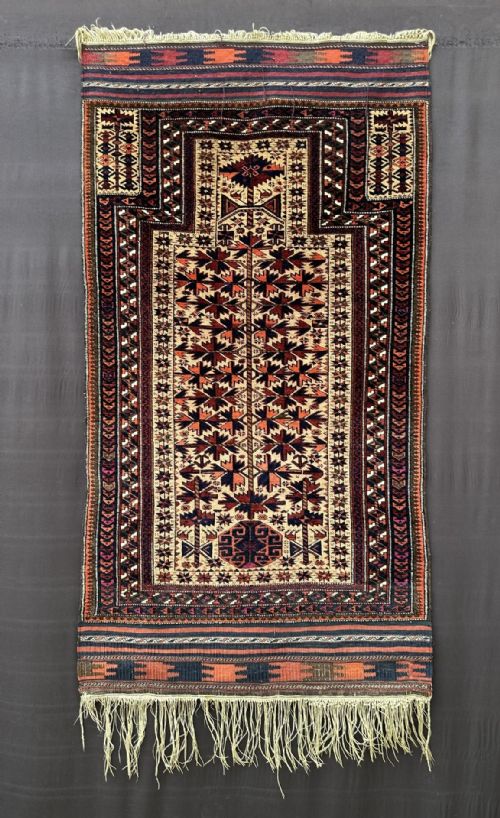
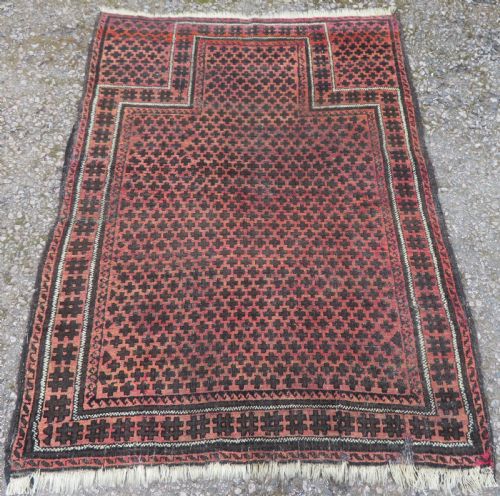
A hand knotted prayer carpet serves primarily as a portable place for daily devotion, traditionally featuring a distinct arched niche known as a mihrab that directs the user towards Mecca. These textiles originate from diverse regions including Anatolia, the Caucasus, and Persia, reflecting the specific cultural aesthetics of communities such as the Baluch, Afghan tribes, and Turkish village weavers.
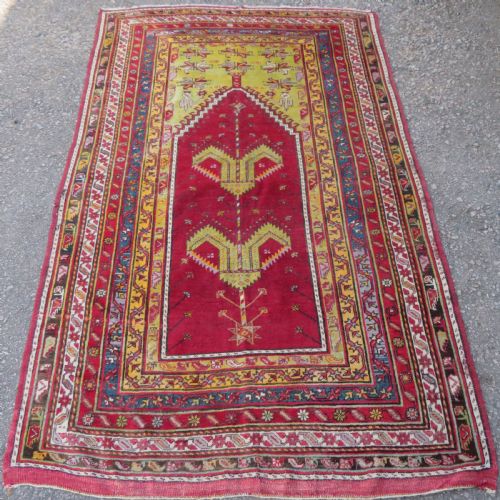
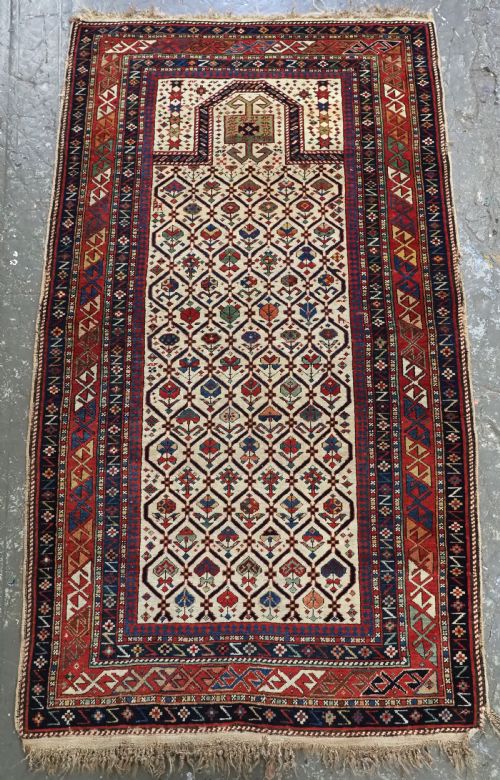
The pieces available span from the nineteenth century into the early twentieth century, showing traditional formats like single and double mihrabs, floral lattices, and geometric borders. Buyers encounter formats ranging from compact tribal rugs to larger village carpets, produced in areas like Kirsehir, Ghiordes, Konya, and Kashan.
Regional weaving traditions dictate the specific motifs and colour palettes found on these floor coverings, distinguishing Caucasian geometric designs from curvilinear Persian patterns and Anatolian village styles. Each item embodies the utilitarian and spiritual needs of the maker, translating tribal iconography into structured, symmetrical fields.
Materials and construction
Weavers constructed each hand knotted prayer carpet using natural materials such as wool, hand-spun wool, cotton for foundations, and occasional use of silk or goat hair for specific pile elements. Natural dyes provided the deep reds, blues, and ivory grounds characteristic of nineteenth-century and early twentieth-century examples.
The physical structure relies on individual knots tied by hand onto warp and weft foundations, often finished with kilim ends that protect the structural integrity of the textile. Artisans utilised local materials available to their specific village or nomadic group, ensuring each carpet remained durable for daily use.
Some Afghan village weavers tucked rams' horns into the mihrab design, perhaps hoping the sheep would bring extra fortune to the household.
Assessing quality in antique weaving
Knot density and the precision of the geometric or floral layout distinguish finer workshop pieces from simpler tribal productions, though both hold distinct appeal. The clarity of the mihrab arch and the consistency of the natural dyes demonstrate the weaver's skill and the quality of the wool utilised.
Preservation of the original edges, pile height, and kilim ends indicates how well a carpet survived decades of use, while distinct colour grounds like scarce blue or ivory add specific collector interest. The execution of complex details, such as floral vase motifs or double lanterns, separates standard village weaving from exceptional regional examples.
The Hand Knotted Prayer Carpet Glossary
- Mihrab
- The arched niche found on a prayer rug that points the user in the direction of prayer. This architectural form is the central visual identifier of the type.
- Warp
- The vertical threads stretched on the loom before knotting begins. These form the structural foundation of the textile.
- Weft
- The horizontal threads passed through the warp threads to secure the knots in place. Together with the warp, they create the stable grid of the carpet.
- Natural Dyes
- Colourants derived from plants, insects, and minerals rather than synthetic compounds. They produce rich, variable tones that age gracefully over time.
- Kilim End
- The flat-woven section at the top or bottom of a rug before the fringe. These sections prevent the knotted pile from unravelling.
Hand Knotted Prayer Carpet: Frequently Asked Questions
What is a mihrab?
The mihrab is the arched design element at one end of a prayer rug that symbolises the direction of Mecca. Weavers often place motifs like lamps or floral patterns inside this arch.
This architectural representation helps identify the primary purpose of the textile, separating devotional rugs from general floor coverings.
How old are these rugs?
The pieces available date primarily from the nineteenth century up to the early twentieth century. Specific dates range from the eighteen-fifties through to the nineteen-twenties.
Materials, structural construction, and regional styles help historians and dealers place each textile within this broad historical window.
Where were they made?
These carpets originate from various weaving centres and tribal regions across Anatolia, the Caucasus, and Persia. Specific towns and groups include Kirsehir, Ghiordes, Konya, Kashan, and diverse Afghan and Baluch communities.
Each region developed distinct weaving techniques, wool types, and colour palettes that separate them from other areas.
How should I clean my rug?
Antique textiles require gentle care, typically limited to professional specialist cleaning rather than standard domestic washing methods. Regular light vacuuming without a rotating brush helps remove surface dust from the wool pile.
Avoiding direct sunlight prevents the natural dyes from fading over time while preserving the structural integrity of the cotton and wool foundation.