







Hand Knotted Persian Carpet
A hand knotted persian carpet brings genuine depth and enduring texture to a room through traditional village and city craftsmanship.
Hand Knotted Persian Carpet
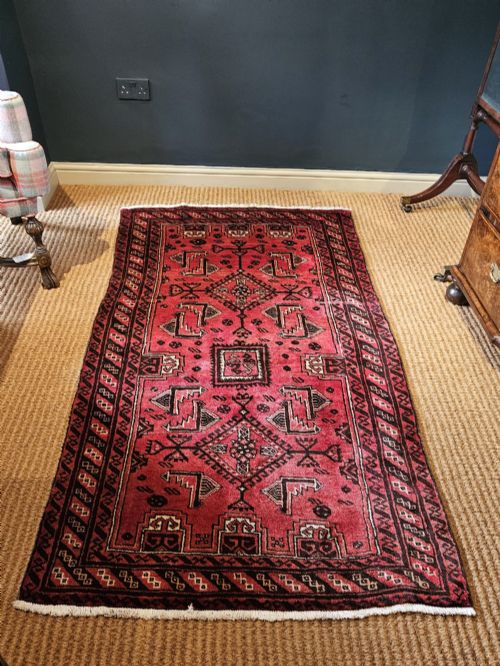
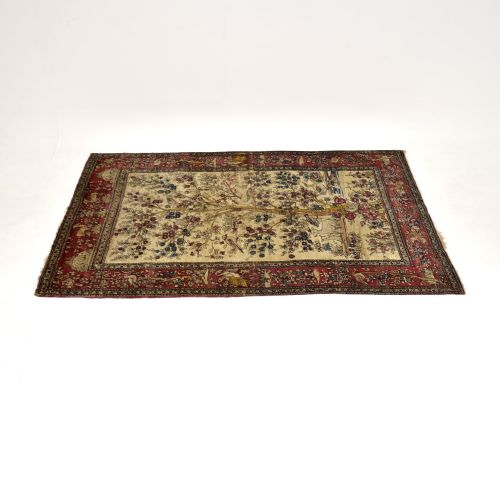
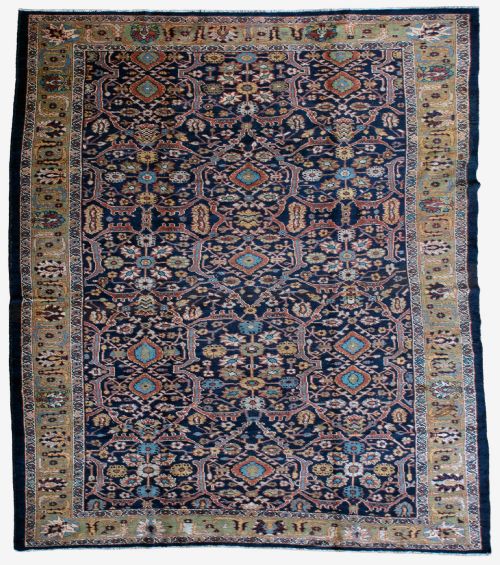
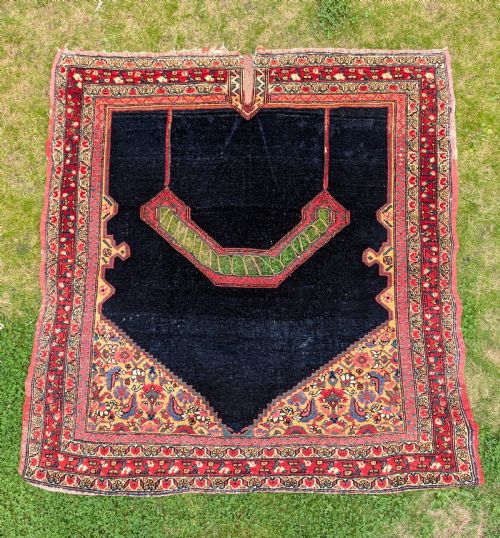
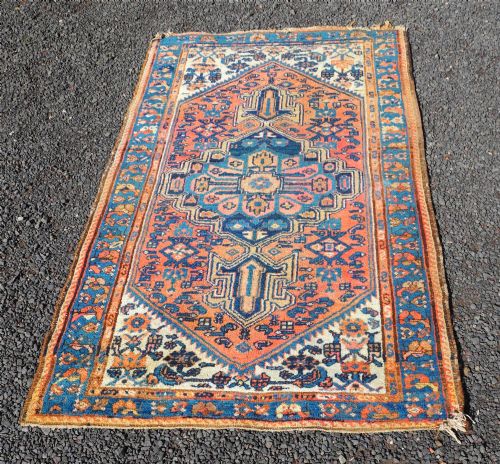
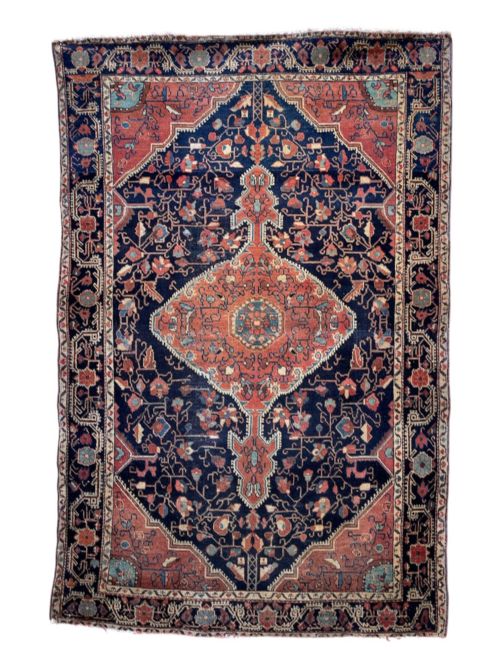
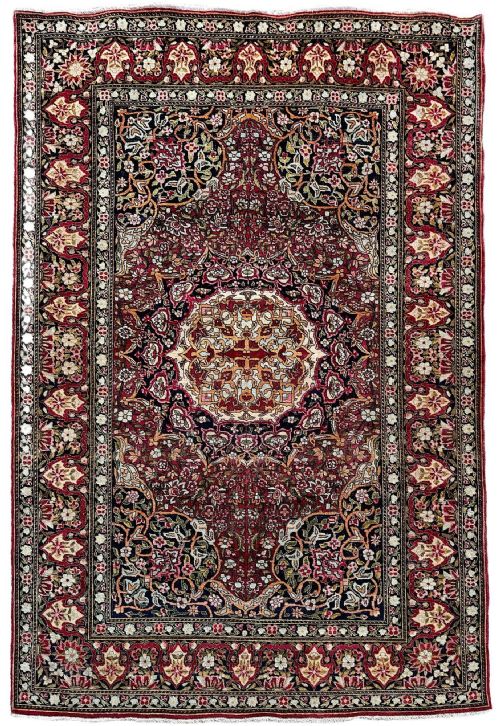
When you search for a hand knotted persian carpet, you encounter centuries of textile traditions originating from towns, nomadic tribes, and village workshops across Persia and neighbouring regions. The selection spans distinct forms such as large room-sized carpets, long hallway runners, compact hearth rugs, and specialised saddle covers.
The pieces available trace their origins across the nineteenth and early twentieth centuries, featuring classic regional styles including Heriz, Saroukh, Bidjar, Hamadan, and Afshar. Buyers frequently meet country house rugs and village carpets that display characteristic tribal motifs, geometric medallions, and intricate floral patterns.
How they were made
These floor coverings rely on natural materials, predominantly utilising hand-spun wool, cotton foundations, and occasional silk highlights. Weavers secure the pile by hand knotting individual threads onto warp and weft threads before trimming the surface.
Makers employed natural dyes derived from plants and minerals to achieve rich colour palettes featuring deep reds, indigo blues, and earthy tones that age gracefully over decades.
Hand Knotted Persian Carpet Retail Price Guide 2026
Typical asking prices for hand knotted persian carpet among the pieces listed under this phrase on Sellingantiques today, from the lower quarter to the upper quarter. They describe what is for sale here now, not the wider market.
Several nomadic weavers tucked tiny accidental errors into their geometric patterns, believing absolute perfection belonged to the divine alone.
What varies in quality
The distinction between standard village weaving and a top-tier workshop piece lies in the tightness of the knot density and the precision of the design execution. Finer examples exhibit meticulous symmetry in their central medallions and sharper definition in intricate border details.
Material selection also dictates overall merit, where tightly spun wool quality, supple foundation handles, and the depth of natural dyes elevate certain carpets above simpler commercial outputs.
Saroukh Mahal·Khamseh·Heriz·Bakhtiar·Senneh·Hamadan·Jozan·Isfahan·Bidjar·Ersari Beshir·Kashan·Karaja·Lori·Karabagh·Sultanabad·Kashgai·Timuri
The Hand Knotted Persian Carpet Glossary
- Knot density
- The count of individual knots per square inch or centimetre. Higher counts generally permit greater detail and durability in the woven design.
- Warp
- The vertical foundation threads stretched lengthwise on the loom. Weft threads are woven across them to secure the structure.
- Medallion
- A large central ornamental design motif placed in the middle of the carpet field. It forms the focal point of many traditional Persian layouts.
- Natural dyes
- Colourants extracted from organic sources such as plants, insects, and minerals. They yield complex, mellow tones that develop a rich patina over time.
- Kelleh
- A specific format of elongated, rectangular carpet traditionally used in Middle Eastern interiors. These pieces are longer than standard rugs but broader than runners.
Hand Knotted Persian Carpet: Frequently Asked Questions
How do I identify a Heriz carpet?
Heriz carpets typically display a bold, geometric central medallion flanked by distinct corner spandrels. The palette often relies on deep terracotta reds alongside contrasting navy blues and ivory.
These rugs originate from the Azerbaijan region in northwest Persia and are known for their heavy, robust wool structure designed to withstand generations of heavy domestic use.
Where should I place a runner?
Hallway runners suit narrow transitional spaces such as corridors, entrance halls, and gallery landings. They protect wooden flooring while adding colour and warmth to otherwise plain architectural routes.
Ensure you measure the clear floor space carefully, leaving an equal margin of exposed timber or stone around the edges of the rug.
How do I care for antique wool?
Vacuum wool carpets gently and regularly using suction only without a rotating brush roll, which can pull at the delicate hand-knotted pile. Rotate the rug every year to ensure even wear from foot traffic and sunlight exposure.
Professional cleaning should be undertaken periodically by specialists who understand natural fibres and traditional vegetable dyes.
What is a Baluch rug?
Baluch rugs are traditionally woven by nomadic and village groups inhabiting the borderlands of Persia and Afghanistan. They feature darker palettes dominated by midnight blues, deep browns, and warm madder reds.
Common motifs include repeating geometric guls, tree of life patterns, and distinctive prayer designs rendered on manageable, portable formats.