

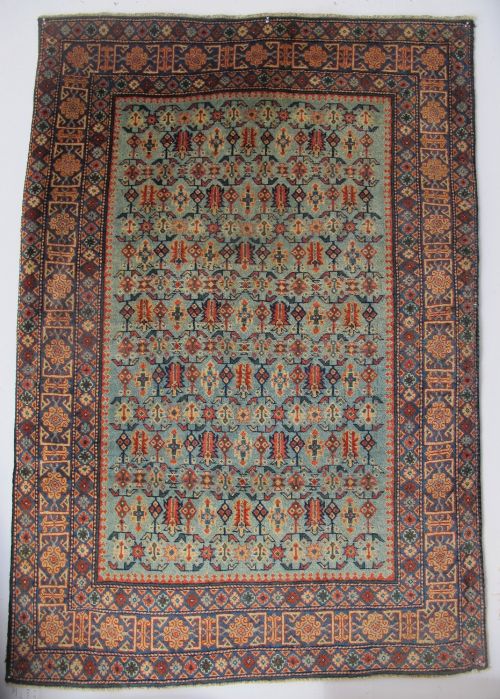
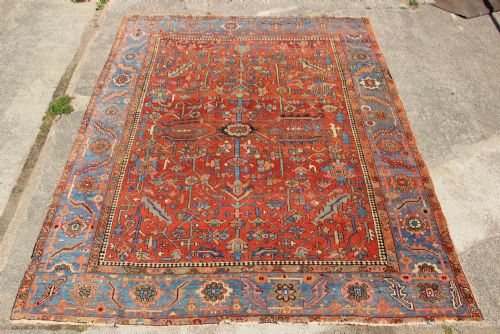
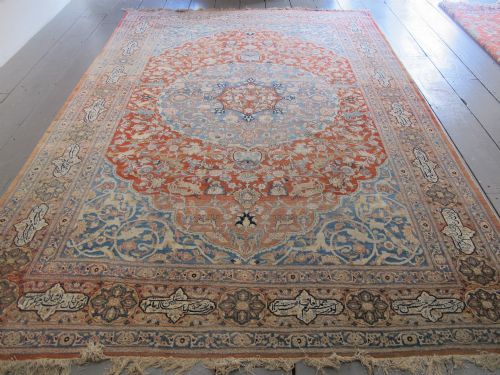
Hand Knotted Persia Rug
When you examine a hand knotted persia rug, you connect directly with centuries of village and workshop weaving traditions from across Persia.
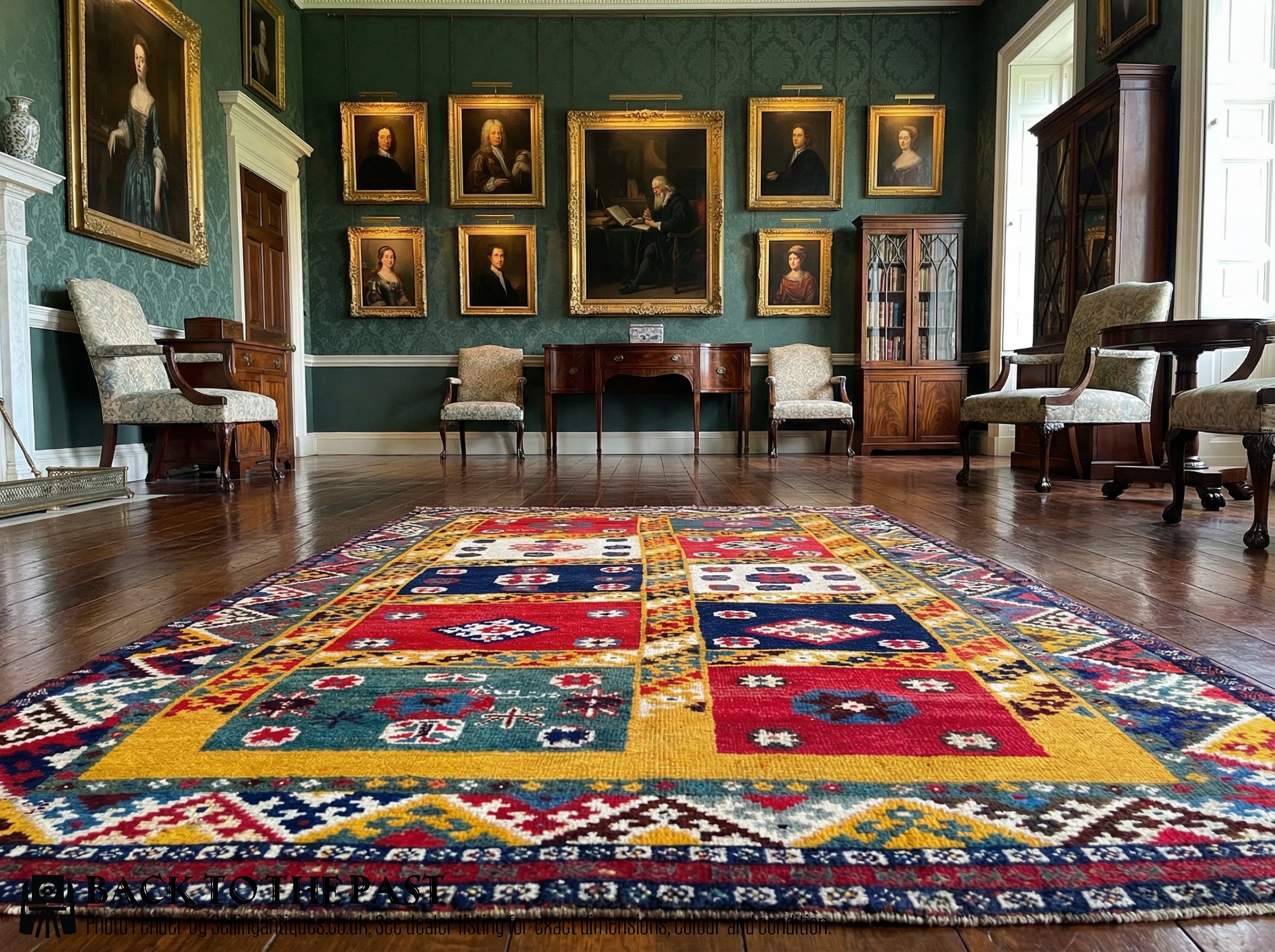
Hand Knotted Persia Rug
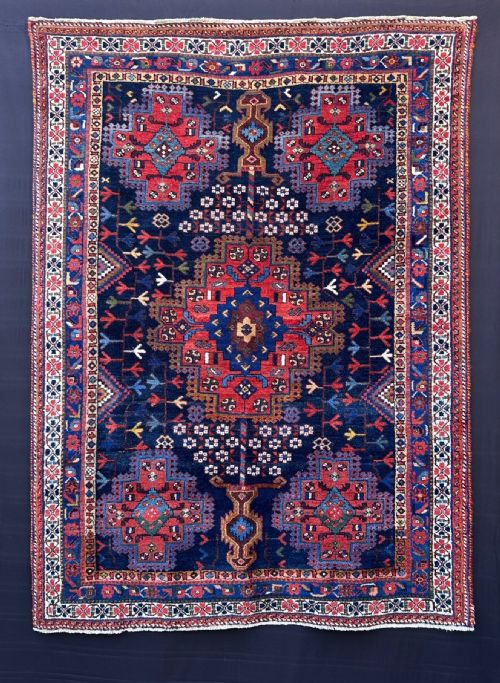
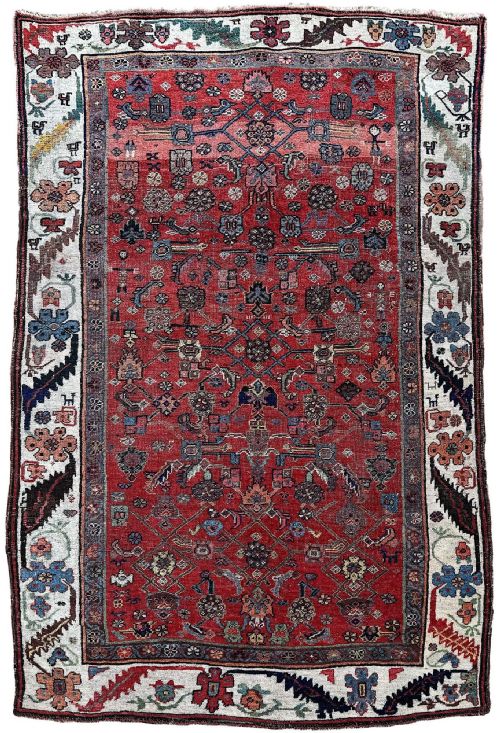
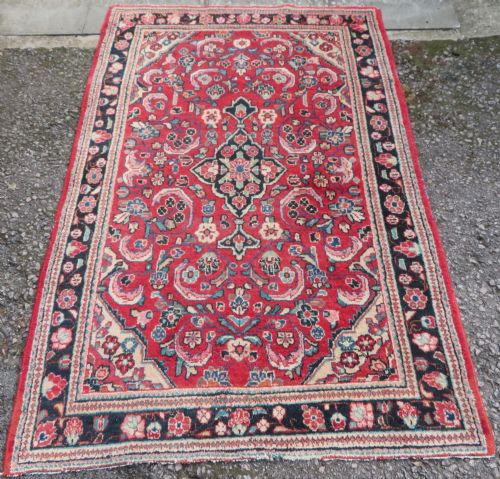
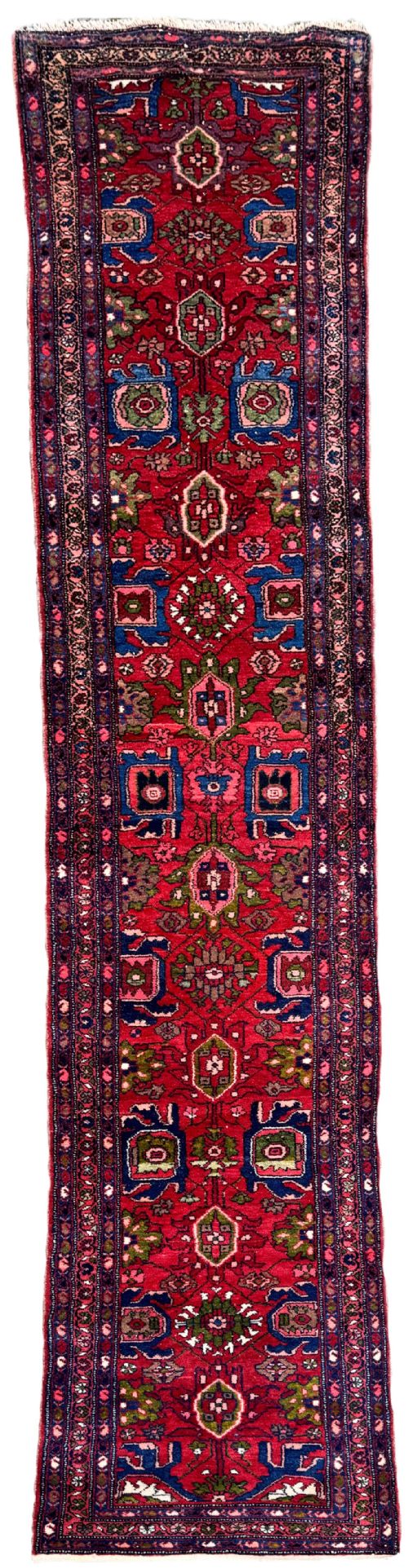
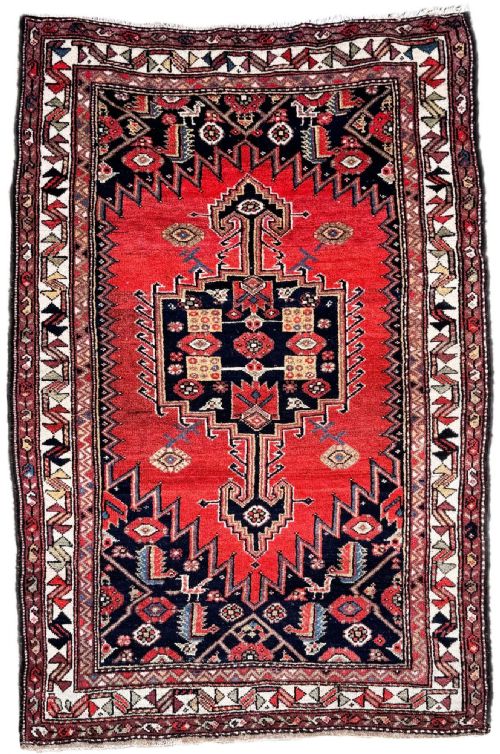
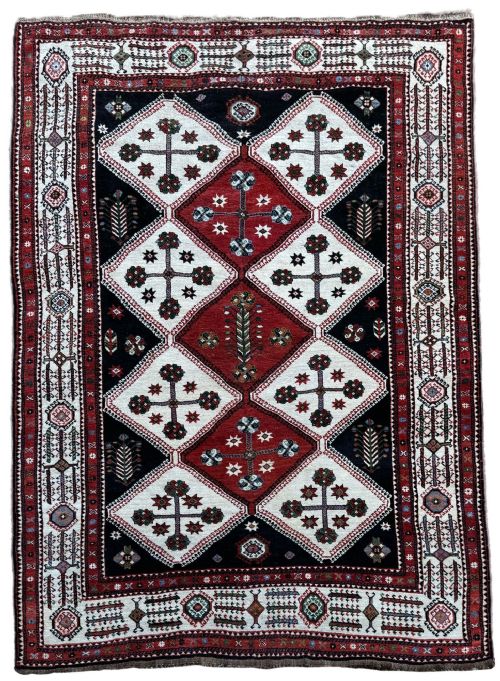
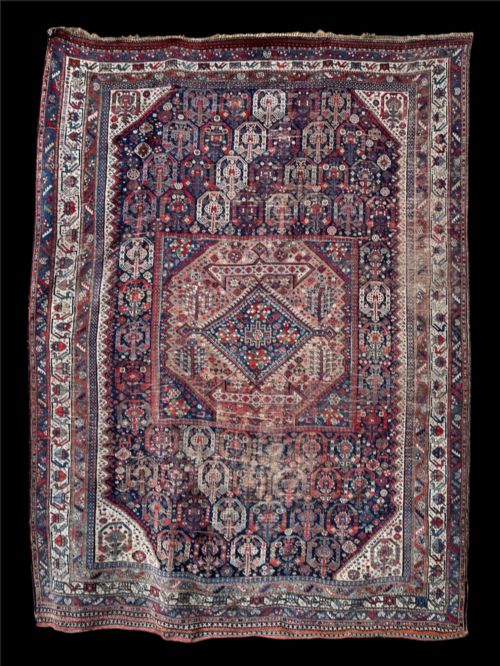
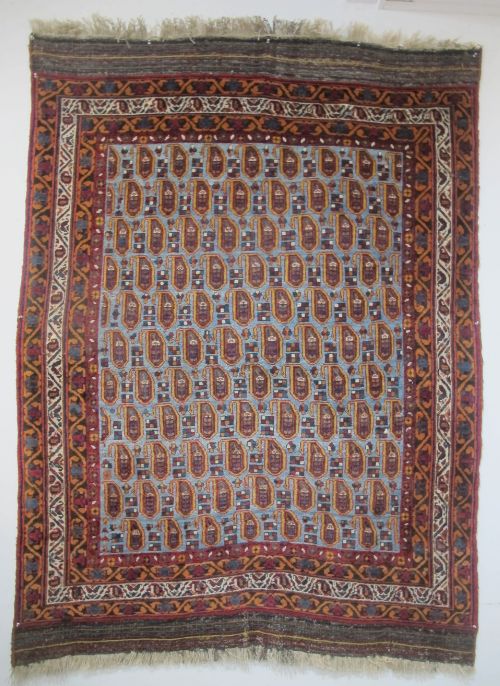
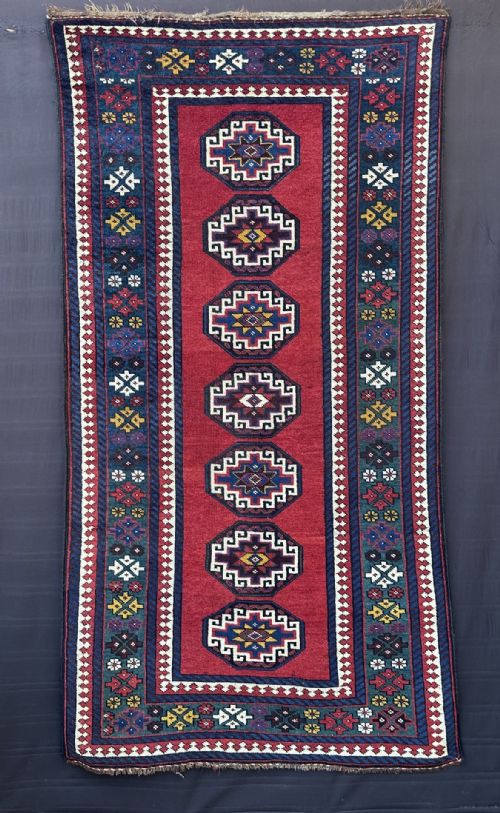
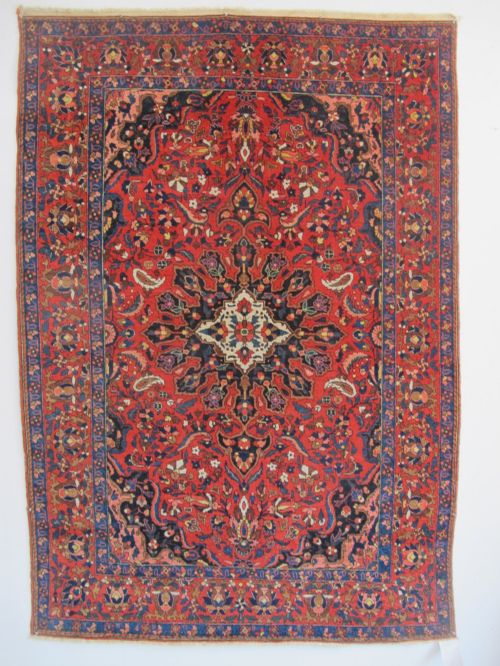
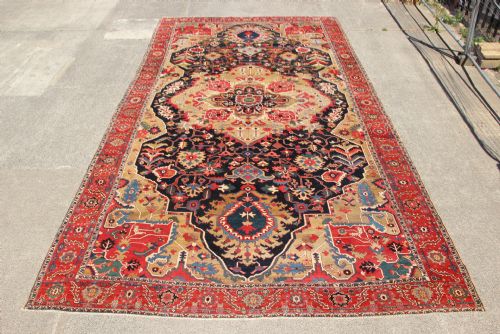
A hand knotted persia rug encompasses everything from robust tribal village carpets to finely detailed city pieces originating across nineteenth and early twentieth-century Persia. Buyers frequently encounter regional productions such as Heriz, Bidjar, Tabriz, and Hamadan, spanning various formats from small scatter mats to room-sized carpets and long hallway runners.
The selection ranges from geometric tribal designs created by confederacies like the Khamseh and Bakhtiar to curvilinear masterpieces woven in urban centres like Isfahan and Kashan. These floor coverings served practical insulating purposes in homes and nomadic tents alike, while simultaneously displaying symbolic motifs unique to specific regions and maker groups.
Materials and Construction
Traditional production relies heavily on hand-spun wool for the pile, chosen for its natural lanolin content and durability, paired with cotton foundations for warps and wefts in village and city pieces. Certain tribal examples incorporate wool foundations, while select urban workshops occasionally integrated silk elements to highlight intricate floral details.
Dye chemistry during these periods depended largely on natural dyestuffs derived from plants, roots, and insects, producing rich abrash colour variations that mellow gracefully over decades. Weavers secured the dense piles using symmetrical or asymmetrical knots tied tightly around the warp threads before shearing the surface to an even height.
Hand Knotted Persia Rug Retail Price Guide 2026
Typical asking prices for hand knotted persia rug among the pieces listed under this phrase on Sellingantiques today, from the lower quarter to the upper quarter. They describe what is for sale here now, not the wider market.
The inventory spans the nineteenth century through the 1930s, encompassing nomadic village work and urban workshops.
Assessing Quality and Execution
Quality in these textiles depends heavily on knot density, the precision of the design execution, and the fineness of the spun wool used in the pile. Superior pieces display crisp geometric lines or fluid curvilinear drawing, reflecting the weaver's high level of skill and spatial planning.
The choice of dyestuffs further separates standard examples from exceptional ones, as natural dyes impart a depth of colour and subtle tonal shifts that synthetic alternatives fail to replicate. Structural integrity, including the secure finishing of selvages and ends, also dictates the overall standard of preservation.
Haji Jalili·Benlian
The Hand Knotted Persia Rug Glossary
- Abrash
- Natural variations in colour shading across the wool pile, caused by changes in dye batches or hand-spun yarn lots. This characteristic demonstrates the use of traditional natural dyeing methods.
- Warp
- The vertical foundation threads running lengthwise through the rug from fringe to fringe. Weavers tie individual pile knots around these tensioned threads.
- Weft
- The horizontal threads passed back and forth over and under the warp threads after each row of knots. This binds the structure together firmly.
- Selvage
- The reinforced outer side edges of a rug, finished with wool or cotton wrapping to prevent fraying. Sound selvages protect the primary knot structure from lateral wear.
- Prayer-rug
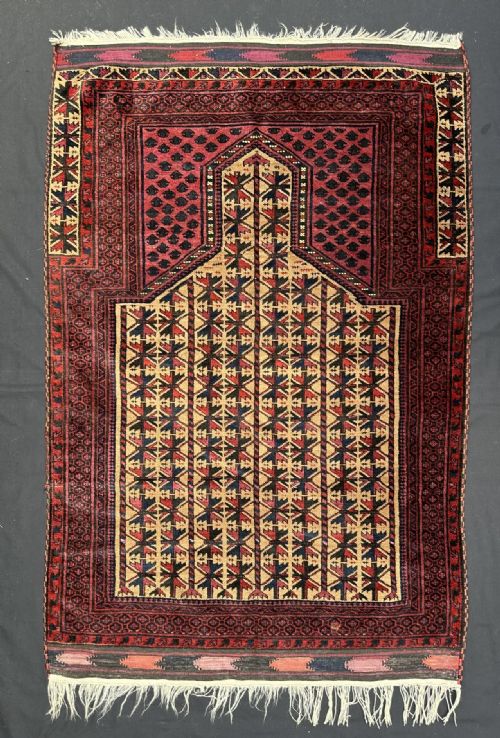
- A devotional format featuring a distinct mihrab or arch motif pointing toward Mecca. Owners traditionally used these smaller pieces for daily ritual prayers.
Hand Knotted Persia Rug: Frequently Asked Questions
How do I identify a village rug from a city rug?
Village and tribal pieces typically feature bold geometric patterns, chunky wool, and spontaneous design adaptations dictated by memory rather than paper cartoons. City carpets display precise, highly symmetrical floral curves, finer knotting, and structured medallion layouts.
Regional palettes also offer clues, with village weavers often employing saturated earthy tones while urban workshops utilised refined ivory and pastel fields.
What is a prayer rug used for?
A prayer rug is a smaller format textile traditionally designated for individual Islamic daily prayers. The defining architectural arch motif, known as a mihrab, indicated the correct directional orientation.
Beyond devotional use, these portable pieces often doubled as cushions or wall hangings in nomadic settings due to their manageable dimensions.
Why do older rugs show colour changes in the field?
Colour variation, known as abrash, occurs naturally when dyers prepared small batches of natural materials like madder root or indigo. As dye sessions ended and new vats were mixed, subtle tonal shifts emerged within the same colour field.
Far from being a defect, this accidental striping confirms the use of traditional organic dyes and adds visual depth to the surface.
How should I care for an antique Persian carpet?
Routine maintenance requires gentle vacuuming without a rotating power brush to protect the delicate wool pile and ancient foundation threads. Professional cleaning should be undertaken sparingly by specialists experienced in handling historic textiles and natural dyes.
Keeping the carpet out of direct, harsh sunlight prevents premature fading of the organic colours over time.
What distinguishes a runner from a standard rug?
Runners are distinguished by their elongated rectangular proportions, specifically designed for narrow spaces such as corridors, hallways, and staircases. They share the same structural knotting and materials as larger area carpets but scale down in width.
Production of these narrow formats occurred across both tribal regions and major weaving centres to suit domestic architectural layouts.