










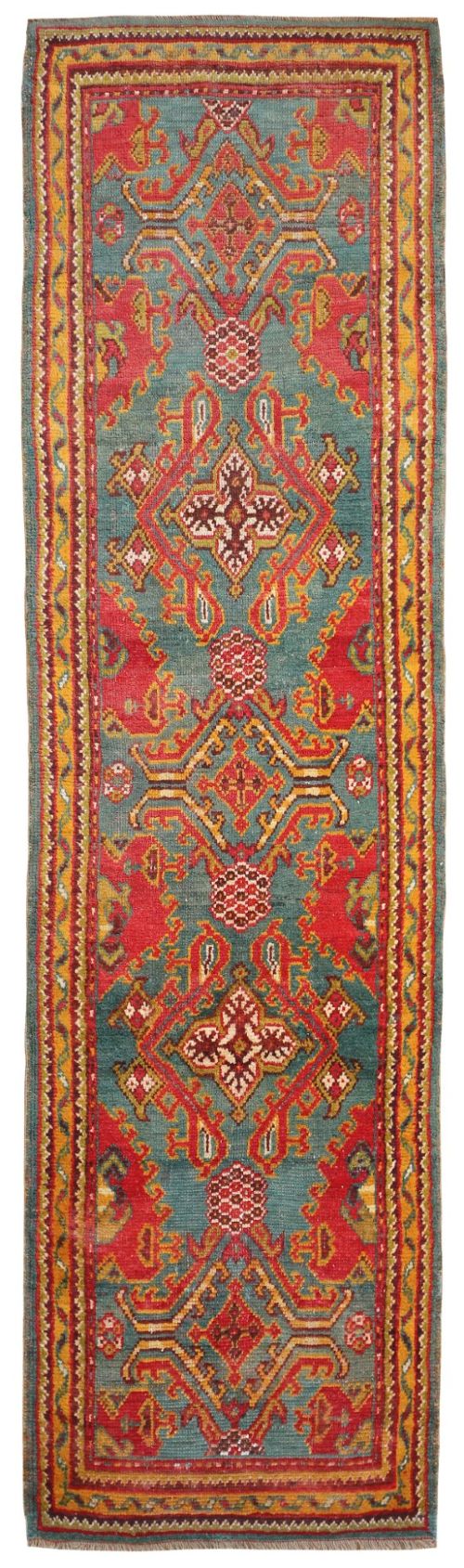
Hand Knotted Oriental Runner
A hand knotted oriental runner brings warmth and distinct pattern to a hallway, formed from generations of tribal and village weaving traditions.
Hand Knotted Oriental Runner
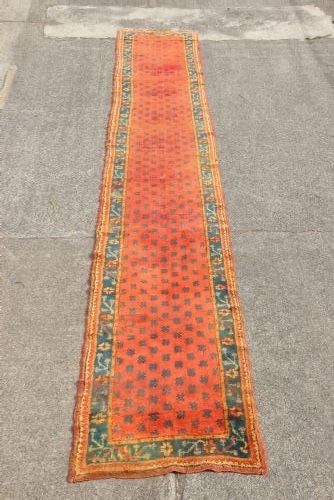
A hand knotted oriental runner is a long, narrow carpet designed for corridors, hallways, and stairs. The selection here spans production from the mid-nineteenth century through the early twentieth century.
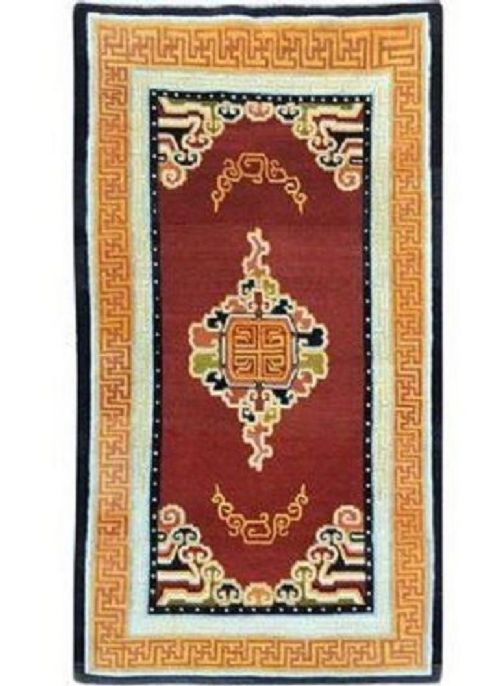
Buyers encounter regional pieces originating from Persia, the Caucasus, Anatolia, Turkmenistan, and Tibet. These take the form of village and tribal floor coverings created by traditional weavers.
The formats range from compact hallway runners to extended lengths created for substantial architectural spaces. Each piece reflects the specific decorative vocabulary of its originating district.
How they were made
The structure relies on a foundation of cotton or wool warp and weft threads that support the dense pile. Artisans tie individual knots by hand across this grid to build the geometric and floral motifs.
Weavers utilise materials such as wool, pure wool, silk, and camel hair for the surface pile. Natural dyes impart the varied colour palettes seen across these nineteenth and twentieth-century examples.
Nomadic weavers occasionally inserted deliberate minor errors into symmetrical patterns to ward off the evil eye.
What varies in quality
The density and precision of the individual knots determine the crispness of the drawn pattern. Tighter knotting supports greater longevity in high-traffic corridors and residential hallways.
The depth and integrity of the original dyes dictate the visual harmony of the surface. Surviving examples retain saturated tones that age gracefully through decades of use.
The Hand Knotted Oriental Runner Glossary
- Warp
- The vertical threads stretched lengthwise on the loom that form the structural skeleton of the carpet. The exposed ends often finish in decorative fringes.
- Weft
- The horizontal threads passed alternately over and under the warp threads to lock the rows of knots in place. This contributes to the firmness of the textile.
- Pile
- The dense surface layer of upright wool, silk, or camel hair formed by the cut ends of knots. Pile thickness varies according to the tribal tradition and intended use.
- Mihrab
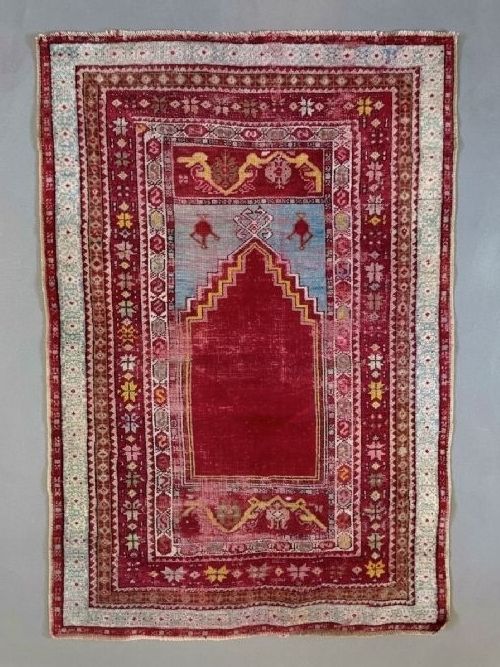
- An arched design motif representing a prayer niche, frequently seen in rugs intended for devotional purposes. This architectural feature points the worshipper toward Mecca.
- Gul
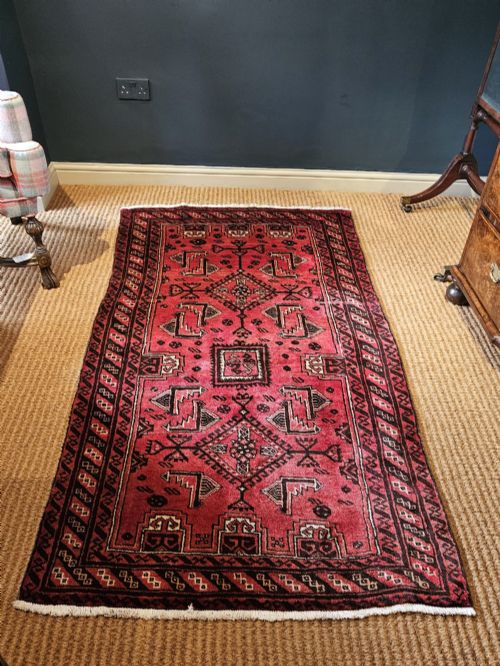
- A medallion-like primary motif often repeated in rows across Turkmen and Baluch weaving. Each pattern identifies the specific tribal group that produced the textile.
Hand Knotted Oriental Runner: Frequently Asked Questions
Where should I place a long runner?
These narrow formats suit corridors, entrance halls, and galley kitchens where floorboards require protection and visual softening.
They also function effectively along large bedside areas or narrow gallery landings.
How do I clean an antique wool runner?
Gentle surface vacuuming without a rotating brush roll removes everyday dust and grit from the pile.
Professional specialist cleaning is necessary for deep washing to protect the natural dyes and foundations.
What is the difference between village and tribal rugs?
Tribal rugs are produced by nomadic or semi-nomadic groups using memory patterns and portable looms. Their designs emphasise bold geometric motifs and camel hair or wool components.
Village pieces are woven in fixed settlements by settled communities, frequently incorporating structured floral elements alongside geometric layouts.
How do I identify the age of a runner?
Examination of the natural dye variations, wool quality, and structural wear patterns provides primary clues to the period of origin. Material types and regional knotting styles further narrow the production date within the nineteenth or twentieth century.