



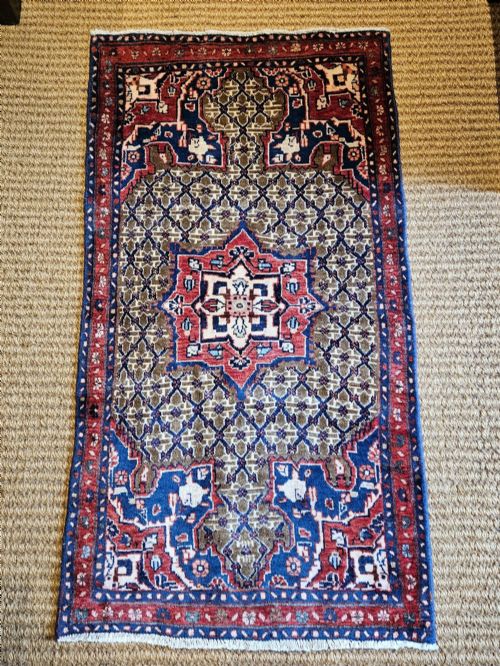
Hand Knotted Oriental Mat
When you search for a hand knotted oriental mat, you encounter textiles carrying centuries of tribal and village tradition across floors and walls.
Hand Knotted Oriental Mat
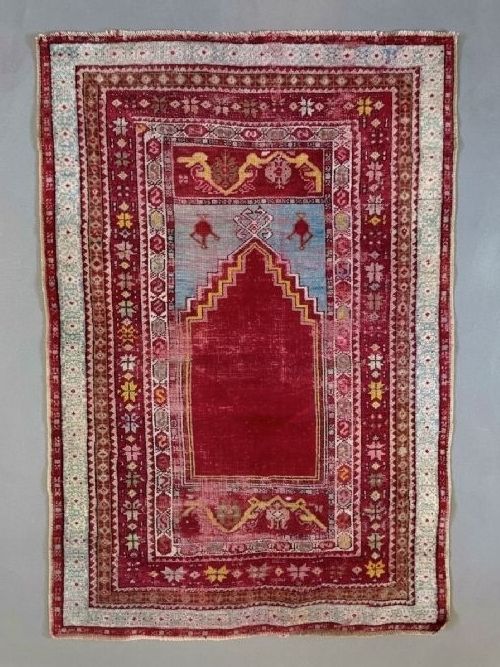
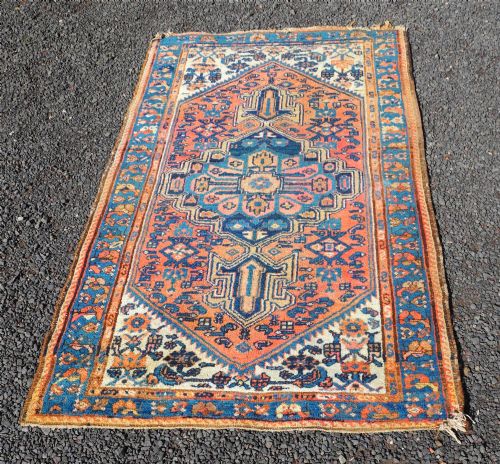
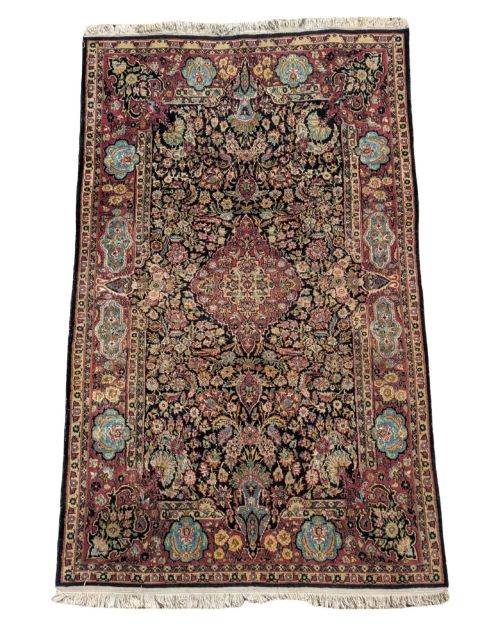
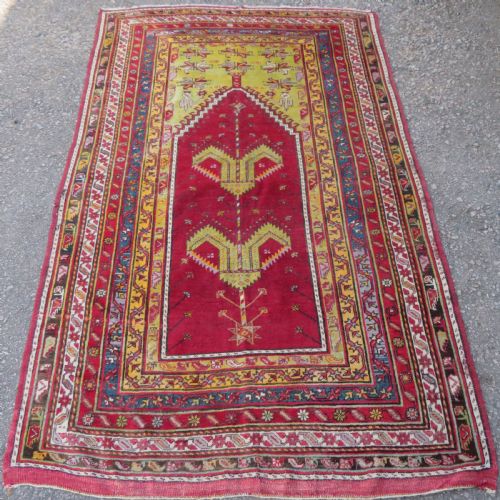
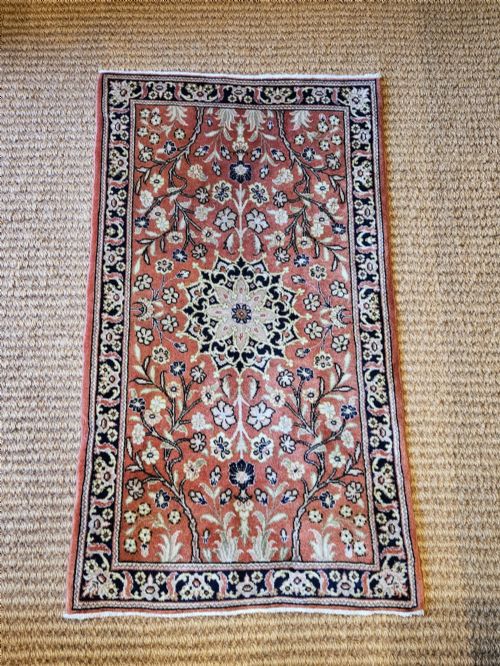
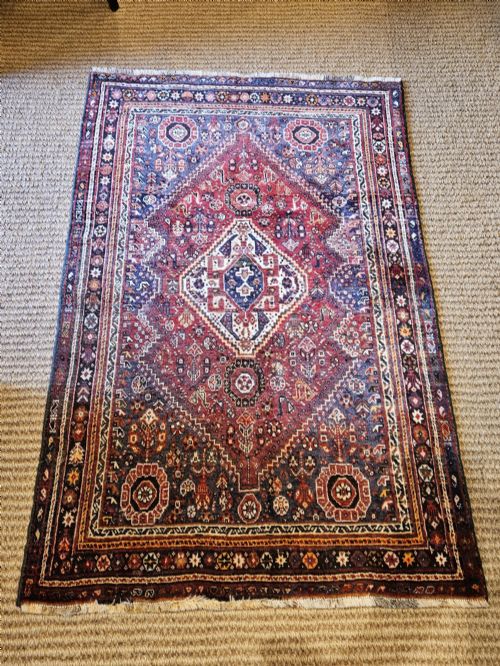
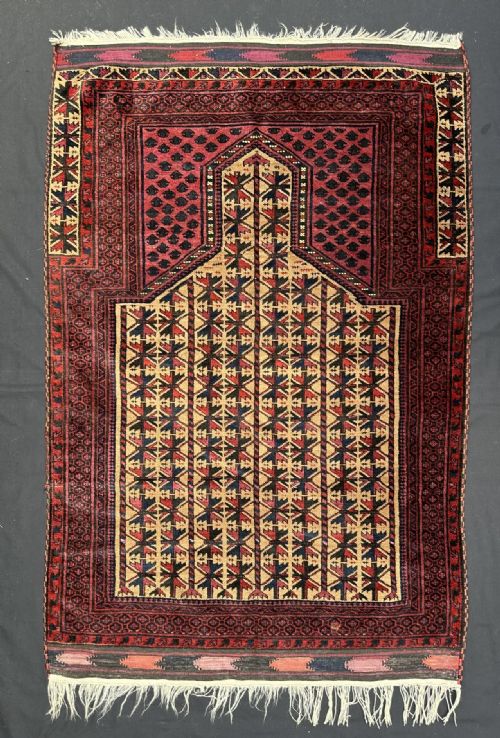
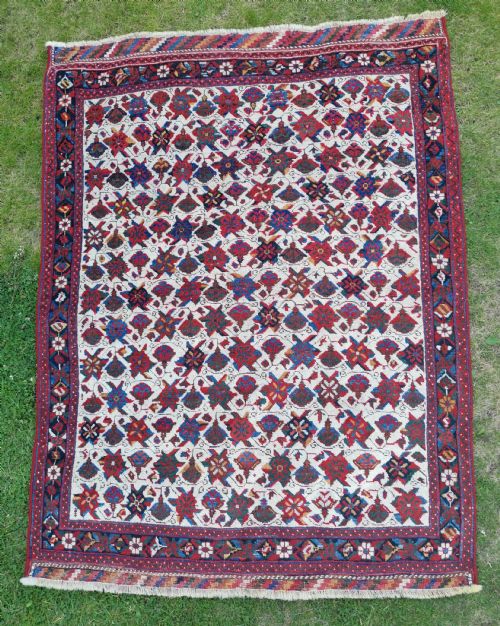
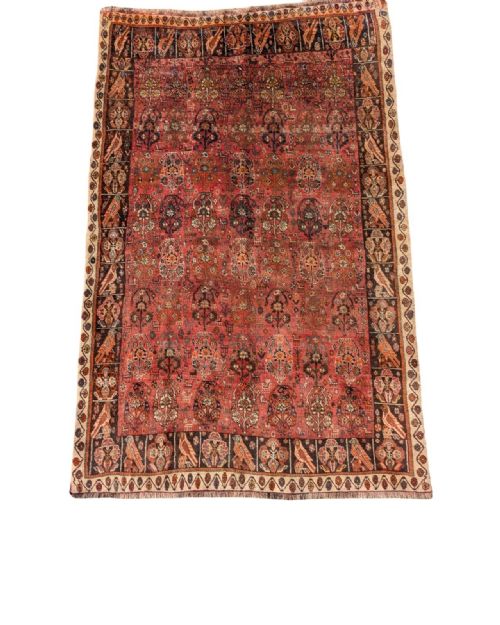
A hand knotted oriental mat brings together centuries of village and tribal weaving traditions from regions spanning Persia, Anatolia, the Caucasus, and Turkmenistan. These textiles arrive in formats ranging from small prayer rugs and hearth sized accents to larger carpets and tribal bag faces.
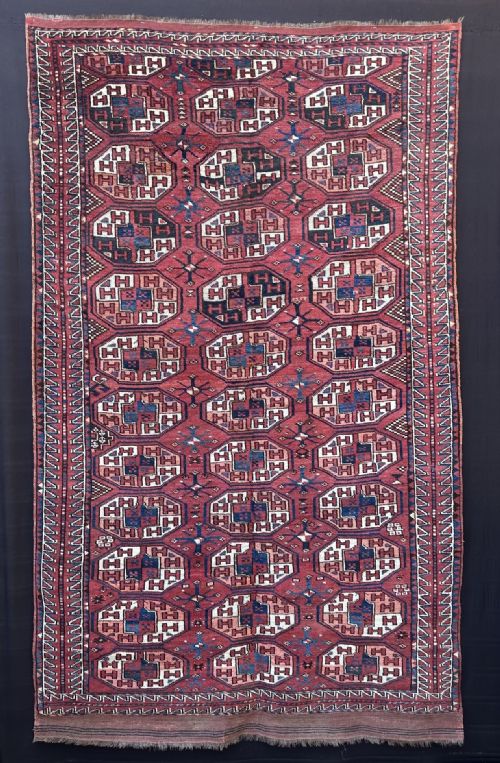
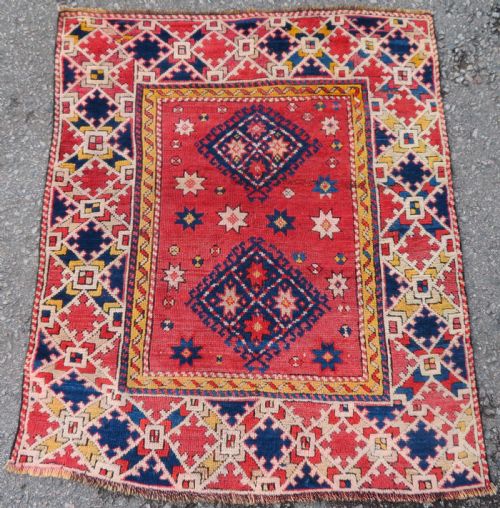
The selections encountered here originate from periods spanning the nineteenth and early twentieth centuries, capturing traditional patterns such as the double mihrab, floral lattices, and geometric guls. Village makers and nomadic confederacies produced these floor coverings for daily utility, ritual prayer, and domestic display.
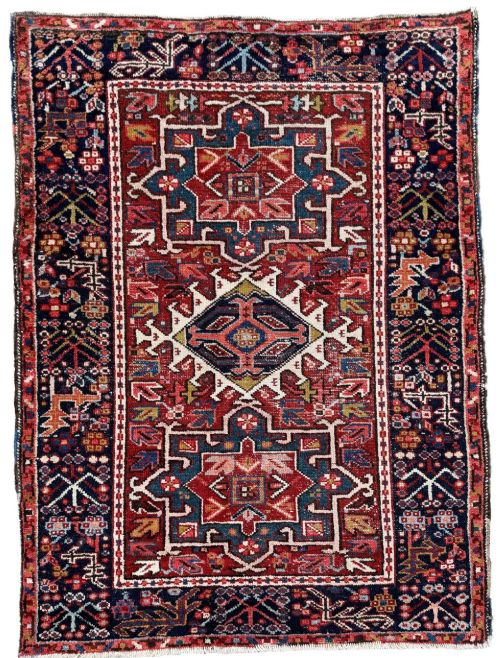
Buyers seeking a hand knotted oriental mat often select between geometric tribal compositions from Caucasian or Baluch weavers and intricate floral court designs from Persian centres like Kashan or Ishfahan. Each piece reflects the specific regional palette and knotting technique of its maker.
How they were made
Weavers constructed these textiles predominantly using wool, cotton, and silk, often incorporating hand-spun wool and natural dyes to achieve rich depth of colour. Goat hair also appears in select tribal pieces for sturdy selvages and structural reinforcement.
The foundational warp and weft threads, typically cotton or wool, support dense piles tied by hand knotting techniques particular to specific regions and tribes. Natural dyestuffs yield varied tones that mellow organically over decades of exposure and use.
Several small bag faces designed for camel transport now find new life resting quietly on modern parlour floors.
What varies in quality
The refinement of a hand knotted oriental mat depends on the density of the knotting and the precision of the tribal or village design execution. Finer knots permit more intricate geometric motifs and curvilinear floral details to emerge clearly across the field.
Material selection further distinguishes the work, as finely spun wool and silk highlights contribute to a supple handle and distinct visual resonance. The integrity of the original dyes and the balanced symmetry of the borders reveal the weaver's ultimate mastery.
The Hand Knotted Oriental Mat Glossary
- Prayer Rug
- A textile featuring a mihrab or niche design used historically for daily Islamic prayers. These pieces typically orient the worshipper towards Mecca.
- Gul
- A medallion or repeating octagonal motif characteristic of Turkmen and tribal weaving traditions. Each tribal group utilised distinct gul variations to signify lineage.
- Mihrab
- The arched niche depicted on prayer rugs that represents the direction of prayer. Its apex is traditionally pointed toward Mecca during ritual use.
- Warp
- The vertical foundation threads stretched lengthwise on the loom before knotting begins. Weft threads are subsequently passed horizontally between them to secure the knots.
- Selvage
- The reinforced outer edge of a rug formed by wrapping or binding the lateral warp threads. This finishing prevents the sides from fraying during daily use.
Hand Knotted Oriental Mat: Frequently Asked Questions
How do I place an antique mat in a modern room?
These compact textiles work well as accent pieces on bare wooden floors, beneath small tables, or hung directly on walls as textile art. Their varied regional colours and geometric patterns complement both minimalist interiors and traditional spaces.
Allow the palette of the rug to inform the surrounding room scheme by drawing out accent tones from the wool or silk dyes. Placing them in low traffic areas preserves the pile structure over time.
What is the difference between a village rug and a tribal rug?
Village rugs originate from settled farming communities where weavers often followed established regional templates and workshop traditions. They tend to feature balanced floral or geometric arrangements.
Tribal pieces emerge from nomadic or semi nomadic confederacies working from memory and ancestral motifs. Their designs display greater spontaneity and bold, asymmetrical use of colour.
How do I clean and maintain an old wool mat?
Gentle surface dust removal using a soft brush or cautious suction without a rotating beater bar preserves the wool pile. Professional textile conservators should handle any wet cleaning to protect natural dyes.
Avoid direct, continuous exposure to harsh sunlight to prevent fading of the natural dye colours. Rotating the piece periodically ensures even wear across the surface.
How can I tell which region a rug comes from?
Distinctive structural traits, colour palettes, and knotting styles point directly to specific weaving origins. Caucasian pieces often display bold geometries, while Persian carpets favour detailed florals.
Examining the materials used for the foundation warp and weft provides additional clues to geographic attribution. Turkmen pieces frequently utilise deep red grounds paired with characteristic gul medallions.