
Hand Embroidered Wall Textile
When you search for hand embroidered wall textile, you uncover centuries of needlework traditions spanning English country houses and Central Asian nomadic tents.
Hand Embroidered Wall Textile
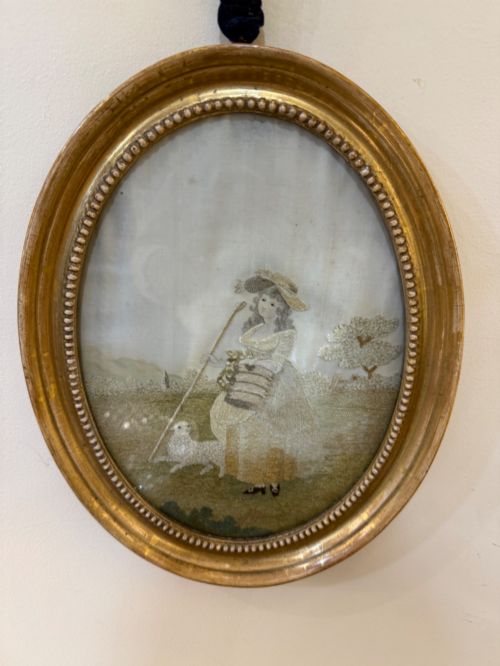
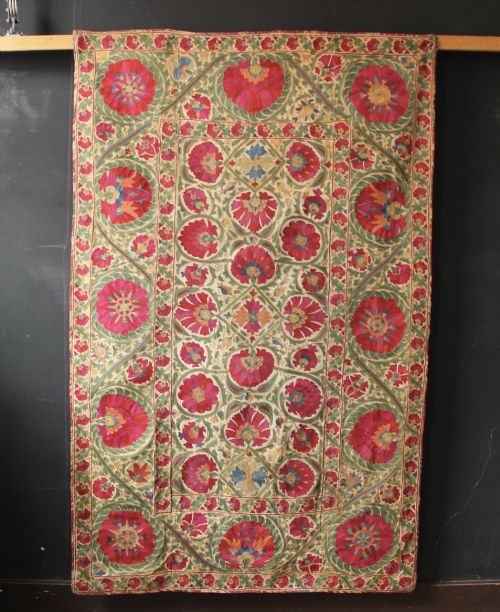
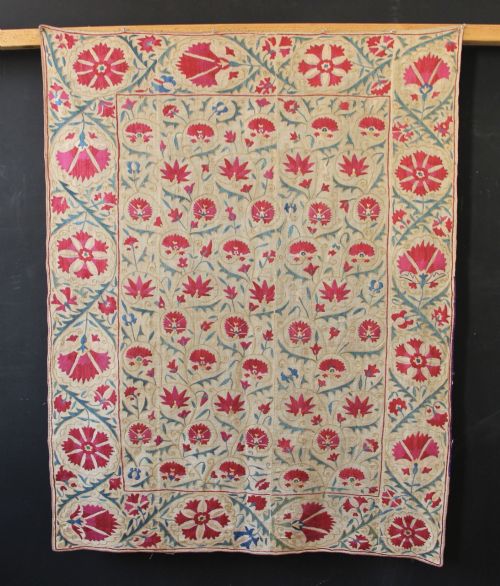
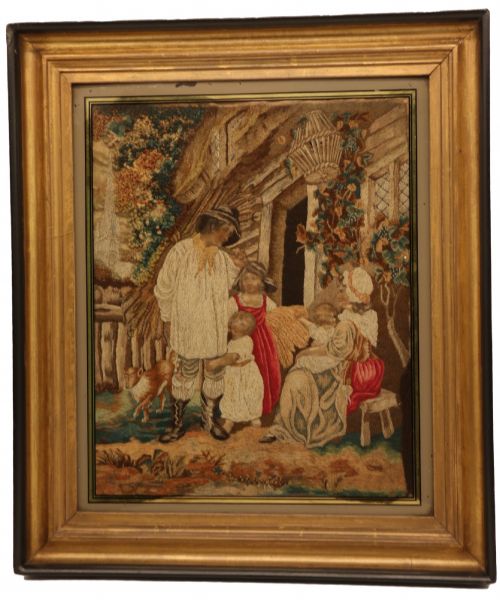
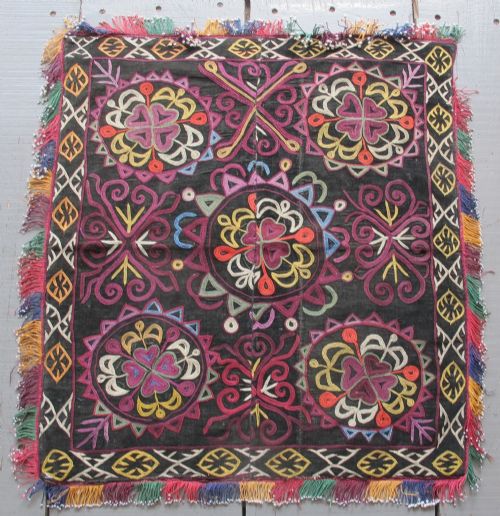
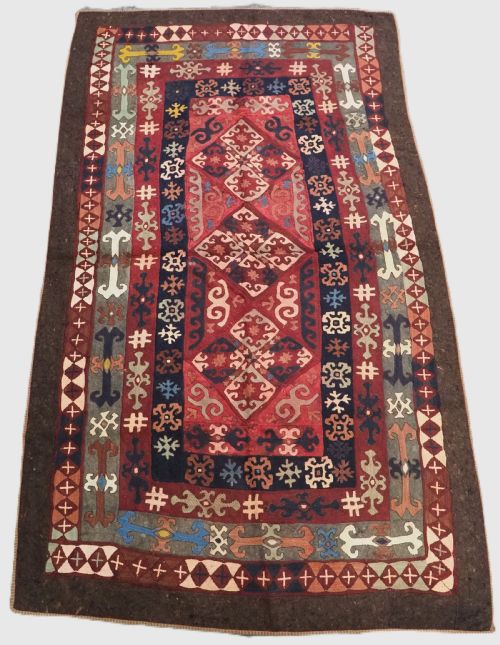
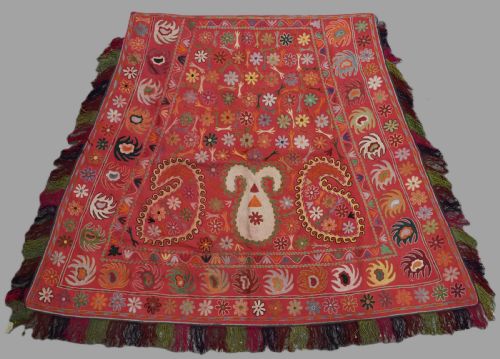
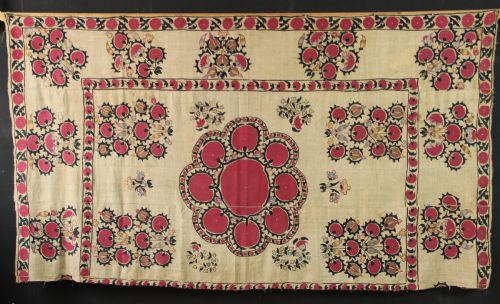
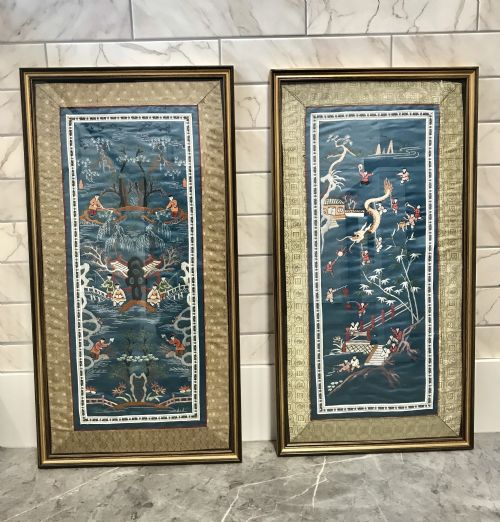
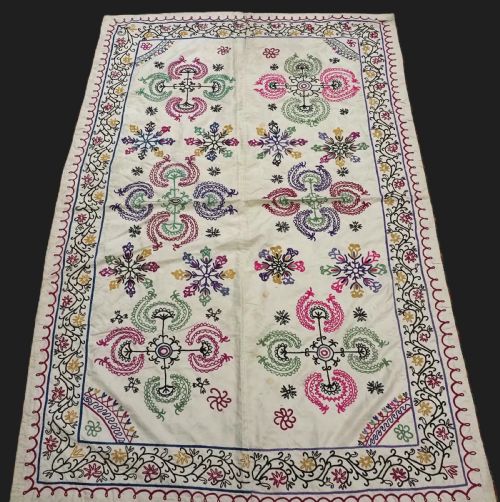
A hand embroidered wall textile encompasses needlework panels, ceremonial wall hangings, and decorative covers originating from English workshops and Central Asian regions such as Uzbekistan. Buyers exploring this category encounter pieces designed for interior display, ranging from early English crewelwork to tribal Suzanis and felt panels.
Origins stretch from the seventeenth century through to the early twentieth century, incorporating regional variations in embroidery styles. Pieces include bed covers adapted for display, mirror covers, and saddle rugs repurposed as wall art.
Materials and construction
Artisans constructed these works utilising a foundation of woven cotton, linen, wool, or silk, sometimes employing adras grounds or dense felt. Needleworkers then applied fine silk threads, wool, and beads to execute intricate surface designs.
Techniques varied from traditional crewelwork stitching on English linen to elaborate silk embroidery executed on Central Asian ground fabrics. Artisans frequently incorporated applied fringe or glass elements to complete the decorative surface.
Listings feature textiles spanning multiple centuries, from seventeenth-century English crewelwork to early twentieth-century Central Asian felt panels.
Distinctions in execution
Quality rests upon the precision of the needlework and the complexity of the design layout. Finer examples display tight, consistent stitches and sophisticated compositional balance across the textile.
The choice of ground material and the vibrancy of the surviving threads dictate the visual impact of the piece. Superior items retain structural integrity in their foundation fabrics alongside well-preserved thread coloration.
The Hand Embroidered Wall Textile Glossary
- Suzani
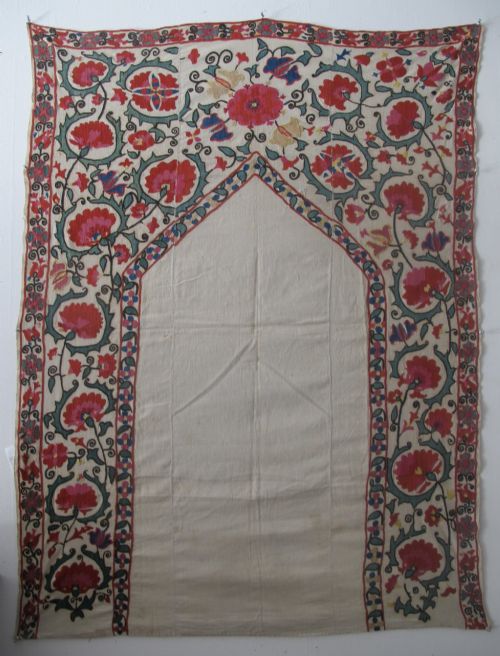
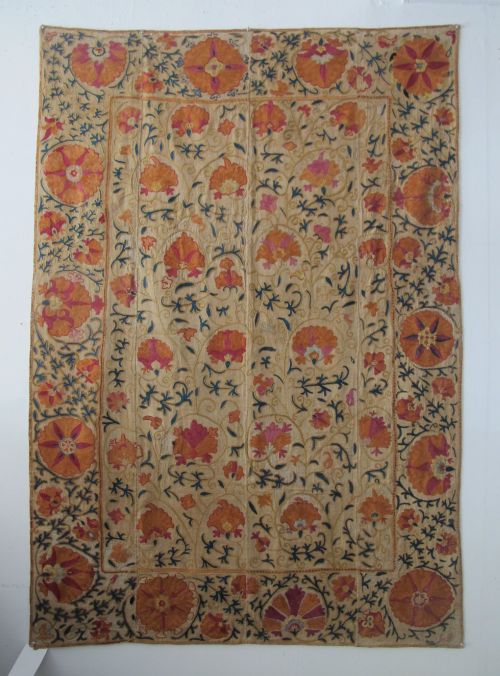
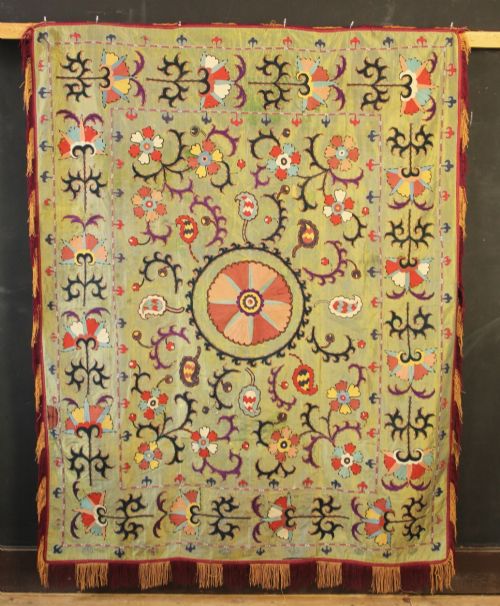
- A large embroidered tribal textile originating from Tajikistan, Uzbekistan, and other Central Asian nations. These pieces typically feature vibrant floral and architectural motifs worked in silk on a cotton or linen ground.
- Crewelwork
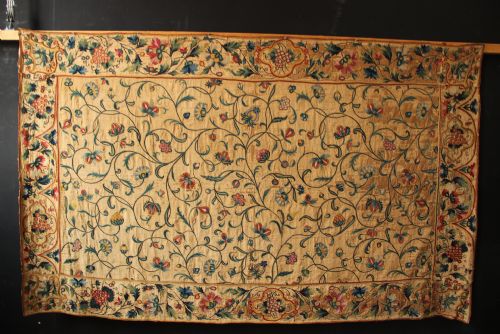
- A traditional form of surface embroidery utilising wool yarn on a heavy linen or cotton twill foundation. English examples often depict flowing floral and fauna patterns.
- Ilgich
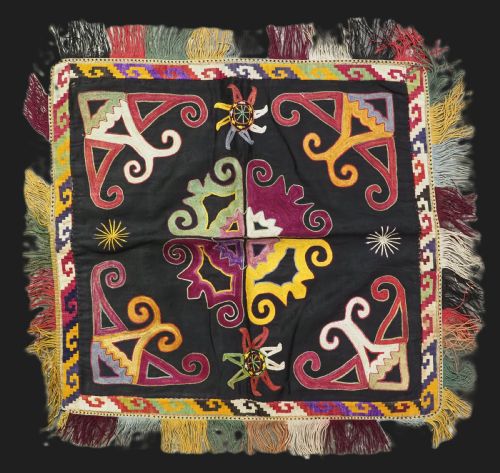
- A specific type of Central Asian dowry embroidery created for wall hanging purposes by tribal makers. They display geometric and symbolic patterns unique to specific groups like the Lakai.
- Adras
- A traditional hand-woven fabric composed of a silk warp and a cotton weft. It frequently serves as the background ground for Central Asian Suzani embroidery.
Hand Embroidered Wall Textile: Frequently Asked Questions
How were Suzanis used originally?
Central Asian families utilised Suzanis as ceremonial hangings, dowry items, and functional coverings within traditional homes. They often formed part of a bride's trousseau and decorated the interior walls of a yurt or house.
Over time, these textiles transitioned from domestic utility to prized decorative wall art collected globally. Their intricate designs reflect regional heritage and personal symbolism.
What is English crewelwork?
English crewelwork is a historic embroidery technique employing wool thread on sturdy linen or twill grounds. Makers produced these panels for decorative wall hangings, bed hangings, and upholstery in period interiors.
The style is defined by textured stitching and botanical or fantastical motifs that evolved through successive centuries of domestic needlecraft.
How should I hang a textile?
Displaying fragile antique textiles requires non-damaging methods that distribute the weight evenly across the entire piece. Professional framers often mount textiles using archival stitching onto a supportive fabric backing behind glass or leave them open.
Avoid direct sunlight and high humidity to protect natural silk and wool threads from fading and degradation over time.
How do I identify a Lakai embroidery?
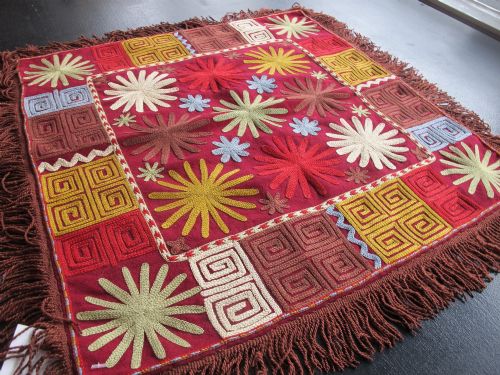
Lakai embroideries originate from Uzbek tribal groups and are recognised by their dynamic geometric layouts and felt or wool foundations. They frequently employ bright contrasting silk threads to create energetic, abstract compositions.
These pieces often served as horse covers, saddle rugs, or small dowry hangings before being repurposed for modern interiors.