



Antique Bed Hanging
An antique bed hanging brings centuries of textile artistry indoors, offering rich colour and texture for modern walls.
Antique Bed Hanging
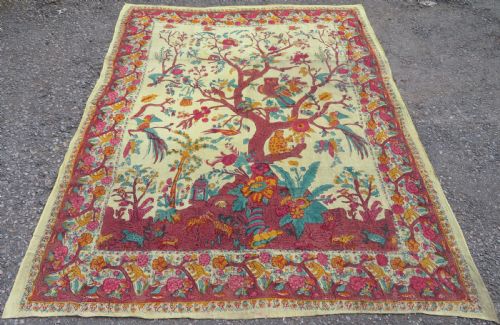
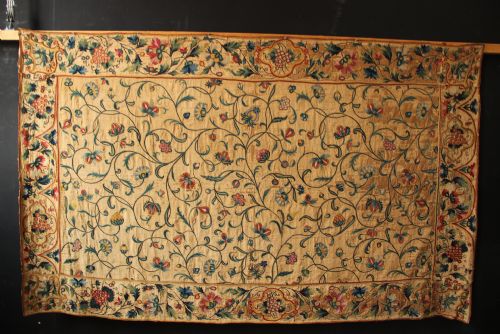
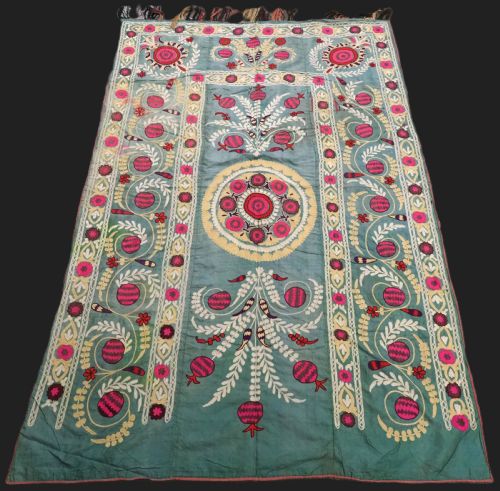
An antique bed hanging covers textile panels, covers, and embroideries created to adorn sleeping quarters or living spaces across different centuries. Buyers searching for an antique bed hanging will encounter various forms, most frequently central Asian suzanis, English crewelwork, and Indian palampores or embroideries.
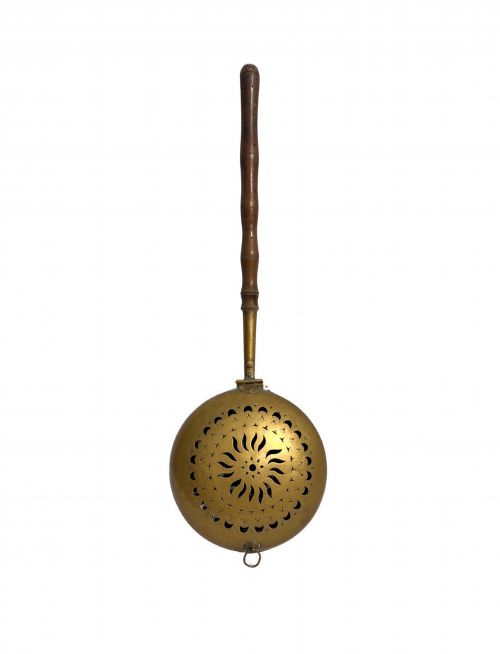
The selections span from the seventeenth century through to the 1930s, incorporating tribal works like Uzbek Lakai pieces alongside French wall hangings and English country items. These textiles originated as functional bed covers, decorative panels, or warming pans and hearth utensils.
Central Asian suzanis dominate the selection, worked in silk on silk or cotton grounds with dense floral and tribal motifs. English crewelwork represents the earlier European tradition, while Indian textiles bring cotton and velvet embroidered panels into the mix.
Assessing quality in textiles and metalwork
Quality rests upon the fineness of the needlework and the integrity of the ground fabric, whether cotton, linen, or silk. Dense, precise stitching and well-preserved natural dyes distinguish superior pieces from simpler utilitarian examples.
Design execution and regional authenticity drive the standing of a piece, from the complexity of Uzbek suzani floral motifs to early English crewelwork compositions. Material preservation and the survival of original threads without excessive restoration define the upper tier.
Antique Bed Hanging Retail Price Guide 2026
Typical asking prices for bed hanging among the pieces listed under this phrase on Sellingantiques today, from the lower quarter to the upper quarter. They describe what is for sale here now, not the wider market.
Brass warming pans arrived in chilly seventeenth-century chambers packed with glowing embers to take the bite out of icy linen.
The Antique Bed Hanging Glossary
- Suzani
- An embroidered tribal textile from Central Asia, traditionally made as part of a bride's dowry. These pieces display vibrant silk thread work on cotton or silk foundations.
- Crewelwork
- A type of embroidery using wool thread on a linen or cotton twill fabric. Early English examples often depict elaborate floral and botanical patterns.
- Palampore
- A large, hand-painted or printed cotton bed cover originating from India for export. They typically feature intricate tree of life designs.
- Mafrash
- A storage bag panel from tribal groups such as the Shahsavans, woven in soumak technique. These panels are repurposed as wall hangings.
- Ru-i-jo
- A specific term for a Central Asian bed cover or suzani designed to decorate sleeping areas. They showcase traditional regional embroidery styles.
Antique Bed Hanging: Frequently Asked Questions
How do I hang a textile safely?
Mount textiles using a cotton casing stitched to the back, through which a flat wooden or metal rod is slid. This distributes the weight evenly across the entire upper edge without pulling the fabric.
Keep pieces away from direct sunlight to protect natural dyes from fading over time. Ensure the wall surface is dry and free from dampness.
What is the difference between a suzani and a coverlet?
A suzani is a specific embroidered textile from Central Asia, usually worked by hand with silk threads on a cotton or silk ground. They function primarily as decorative wall panels or ceremonial covers.
A coverlet is a broader term for a bed cover, which can include English crewelwork, Indian palampores, or simpler nineteenth-century woven and embroidered examples from various European and Asian traditions.
Can these textiles be used on beds today?
Most antique items function best as wall hangings or decorative displays rather than everyday bedding. Daily friction and body weight will accelerate wear on aged silk, wool, and cotton threads.
Placing them on guest beds used infrequently or draping them over furniture allows them to be seen while minimising physical stress.