



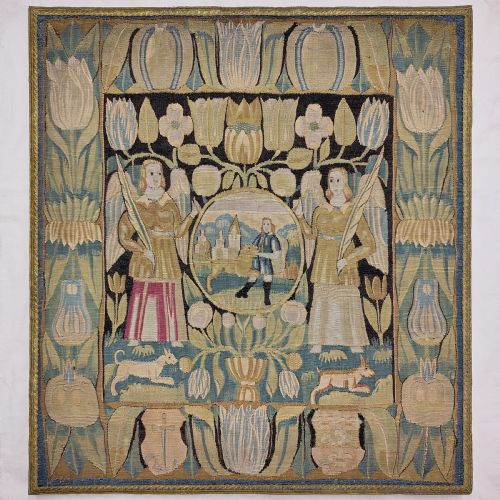


Decorative Embroidered Panel
A decorative antique embroidered panel brings texture and narrative to a room, offering centuries of hand-stitched artistry for modern walls.
Decorative Embroidered Panel
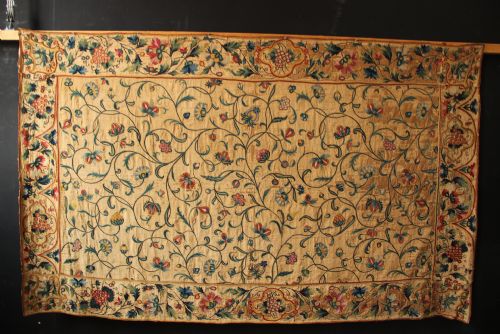
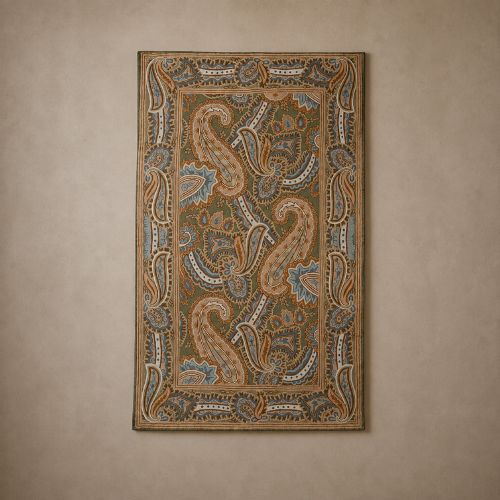
A decorative antique embroidered panel spans centuries of global needlework, ranging from seventeenth-century European crewelwork to Central Asian Suzanis and nineteenth-century folding screens. Buyers searching for a decorative antique embroidered panel will encounter large wall hangings, framed silk textiles, and timber-mounted fire screens.
The material origins stretch from English wool crewelwork to Uzbek tribal dowry embroideries and Japanese silk panels. These textiles served domestic functions as room dividers, wall art, and fireplace guards before entering the antique market as display pieces.
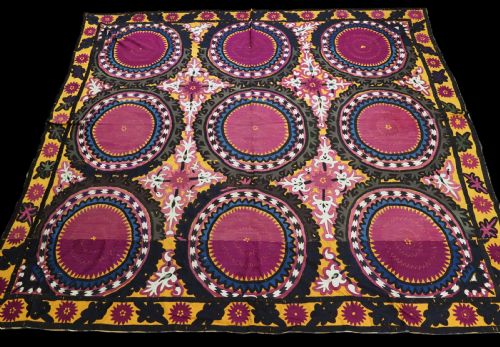
Early examples include seventeenth-century continental classical panels and English crewelwork, while later Victorian and turn-of-the-century pieces bring rosewood frames and Japanese screen formats. Central Asian Suzanis from Samarkand and Shakhrisabz provide bold regional patterns executed in silk thread on cotton or linen grounds.
How they were made
Maker execution relies on natural foundations of linen, cotton, and silk, worked with wool or silk thread using specialised needle techniques. Crewelwork employs wool on linen twill, while Suzani embroidery utilises silk floss stitches on hand-woven cotton grounds.
Framing and mounting involve traditional cabinet woods such as rosewood, chestnut, and general wood surrounds, often incorporating glass protection for delicate needlepoint and tapestry panels. Folding screens utilise multi-panel wooden armatures to support heavy silk and cotton textiles.
Decorative Embroidered Panel Retail Price Guide 2026
Typical asking prices for decorative embroidered panel among the pieces listed under this phrase on Sellingantiques today, from the lower quarter to the upper quarter. They describe what is for sale here now, not the wider market.
Listings feature periods spanning the seventeenth century through the Victorian era up to nineteen-twenty, incorporating silk, wool, cotton, linen, rosewood, and glass.
What varies in quality
Quality rests upon the density of the stitching, the complexity of the design, and the survival of the original ground fabric. Fine early English crewelwork and detailed Central Asian Suzanis demonstrate superior dexterity through intricate needle control and harmonious colour retention.
The physical housing also dictates overall standard, where pieces set within original rosewood or carved wooden screens or frames retain greater contextual integrity than loose fragments.
The Decorative Embroidered Panel Glossary
- Crewelwork
- Embroidery executed with wool yarn on a linen or cotton ground. This technique creates textured, heavy-relief surface designs seen in seventeenth-century English and later revival pieces.
- Suzani
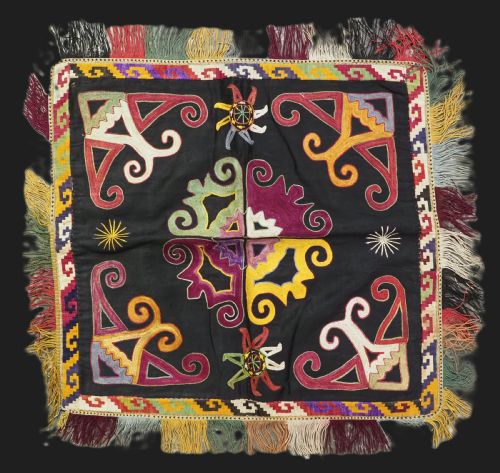
- A type of embroidered tribal textile originating from Central Asia, traditionally worked in silk thread on a cotton foundation. These large wall hangings often feature bold floral and medallion motifs.
- Tapestry
- A form of textile art woven on a loom rather than stitched with a needle, though the term frequently describes historic needlepoint panels in domestic framing.
- Ilgich
- A specific form of Central Asian embroidery produced as a dowry hanging by tribal groups such as the Lakai. They function primarily as decorative wall textiles.
- Fire screen
- A furnishing designed to shield occupants from fireplace heat, constructed here with embroidered textile panels mounted in wood frames with or without glass.
Decorative Embroidered Panel: Frequently Asked Questions
How do I hang a large textile panel safely?
Large wall hangings and Suzanis require careful weight distribution across a baton or professional conservation mounting to prevent pulling on historic fibres. Avoid direct sunlight to protect silk and wool threads from fading.
Heavier framed screens and wood-mounted panels utilise traditional mirror plates or picture wire secured to structural wall studs. Ensure the hanging method respects the age of both the textile and its wooden frame.
What is the difference between crewelwork and a Suzani?
Crewelwork uses wool yarn predominantly on linen foundations, reflecting European traditions from the seventeenth century and later revivals. The textures are heavy and often feature classical or pastoral imagery.
Suzanis originate from Central Asia and utilise vibrant silk embroidery on cotton grounds, showcasing geometric and floral motifs tied to marriage and domestic dowries.
Can folding screens be used as room dividers today?
Multi-fold textile screens function well as functional partitions or decorative backdrops in modern interiors. Their wooden hinges and frames support the weight of silk and cotton panels.
Placement should avoid high-traffic areas where passing knocks might damage fragile nineteenth-century needlework or delicate screen structures.
How do I identify a seventeenth-century piece?
Seventeenth-century panels display specific motifs such as classical masks, grotesques, and early crewelwork styles characteristic of the period. The weave density and wool characteristics differ noticeably from later Victorian or twentieth-century revivals.
Documentation, provenance, and matching structural markers help confirm an early date against later Jacobean revival interpretations.