





Ethnic Wall Hanging Art
These ethnic wall hanging art pieces bring rich tribal textiles and carved shields into modern interiors.
Ethnic Wall Hanging Art
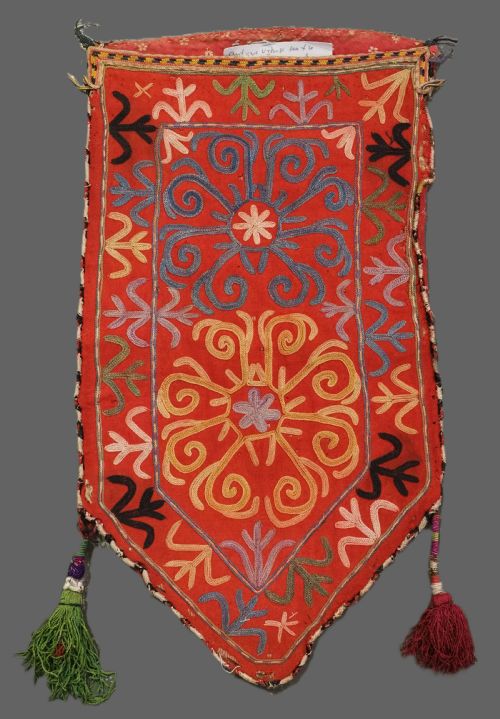
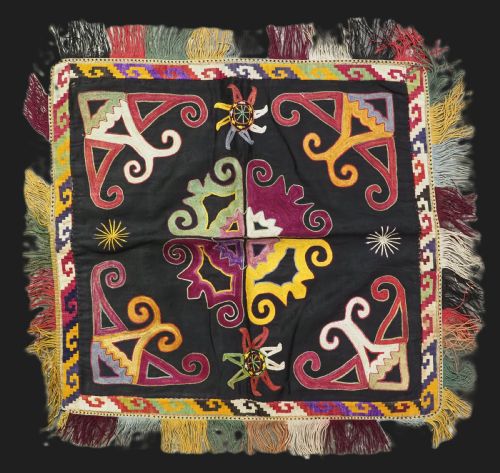
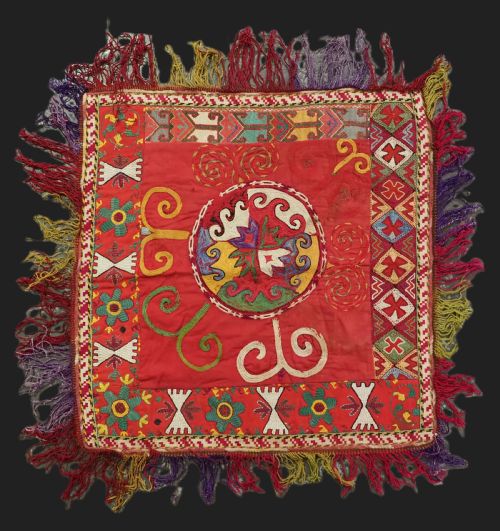
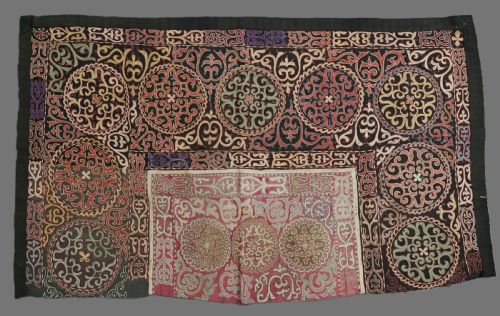
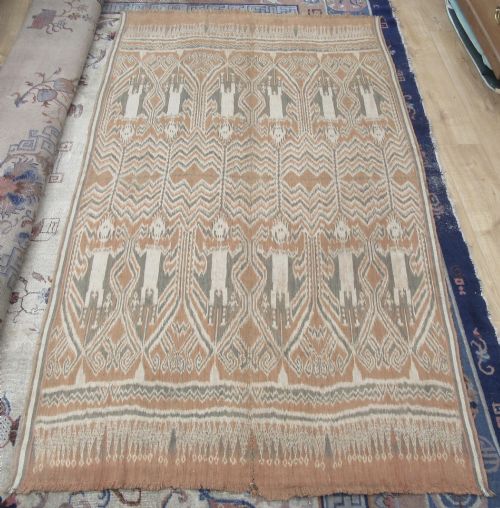
Ethnic wall hanging art encompasses textile panels, ceremonial hangings, embroidered dowry pieces and decorative shields originating from tribal communities across Central Asia, Africa, India, Persia and Indonesia. When exploring ethnic wall hanging art, buyers encounter numerous Uzbek Lakai embroideries, Turkmen tribal trappings, African Kuba cloths and Indonesian ikat panels.
Materials and construction methods
Materials comprise natural textiles including cotton, wool, hand-spun wool, silk and silk thread alongside wood, glass and raffia. Artisans utilised intricate hand embroidery, weaving and dyeing techniques to create dense patterns across panels and hangings.
Makers constructed items like Uzbekilgich and Turkmen kap using specialised needlework, while African raffia tapestries involve woven plant fibres and wooden shields combine carved timber with applied decoration.
Nomadic embroiderers often stitched tiny protective amulets directly into dowry hangings to ward off misfortune.
Factors that define quality
Quality rests upon the density of the embroidery, the complexity of the tribal motif and the crispness of the dye work. Pieces executed with hand-spun wool and fine silk thread display superior tactile depth and structural integrity.
The precision of traditional geometric patterns and the completeness of original panels separate standard utility items from exceptionally refined tribal commissions.
The Ethnic Wall Hanging Art Glossary
- Ikat
- A dyeing technique where yarn is resist-dyed before weaving to create characteristic blurred pattern edges. This method produces intricate designs across panels originating from regions like the Indonesian Archipelago.
- Suzani
- A type of embroidered and decorative tribal textile made in Tajikistan, Uzbekistan and other Central Asian nations. These large hangings typically feature vibrant floral and geometric motifs worked in silk thread on a cotton ground.
- Torba
- A small ceremonial wall hanging or storage bag produced by Turkmen and other nomadic groups. They frequently display characteristic gul medallions and rich wool pile or embroidery.
- Chuval
- A large tent bag or hanging face made by Turkmen tribes for domestic storage and display. These items showcase traditional tribal iconography woven in deep wool and cotton.
Ethnic Wall Hanging Art: Frequently Asked Questions
How do I hang antique textiles?
Mount textiles using a concealed cotton sleeve sewn to the reverse, supporting the weight evenly across a thin wooden batten or padded rod. This prevents tension pulling individual warp and weft threads.
Avoid hanging pieces directly in bright sunlight, as natural dyes fade when exposed to prolonged ultraviolet light. Rotate items periodically to ensure even room exposure.
What is a Lakai ilgich?
An ilgich is an embroidered wall hanging produced by Lakai Uzbek tribes, traditionally created as part of a bride's dowry. These pieces feature energetic geometric and zoomorphic applique work in vibrant silk threads.
Nomadic women stitched these items to decorate the interior of traditional yurts and tents. Their bold designs distinguish them from urban Central Asian needlework.
Where did Kuba cloth originate?
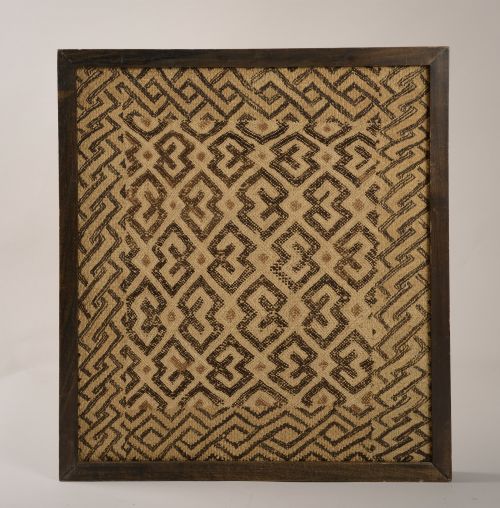
Kuba cloths come from the Kuba Kingdom in Central Africa, primarily created from processed raffia palm leaves. Artisans dye the fibres with natural pigments and assemble geometric compositions.
These panels served as ceremonial garments, currency and status markers before entering Western collections as wall art. Framed examples preserve the delicate raffia structure.