



Traditional Uzbekistan Textile
A traditional uzbekistan textile brings vibrant Central Asian artistry into your home through richly worked silk, cotton, and wool.
Traditional Uzbekistan Textile
When you search for a traditional uzbekistan textile, you encounter centuries of Central Asian craftsmanship expressed through decorative wall hangings, panels, and garments. These objects originate from distinct cultural hubs within the region, reflecting both nomadic and settled traditions.
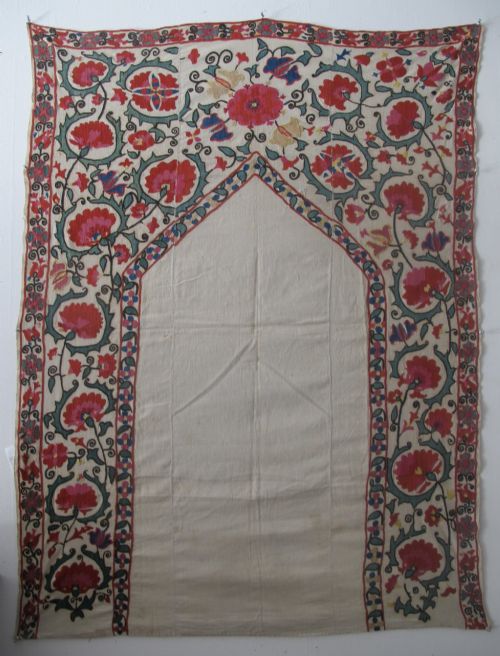
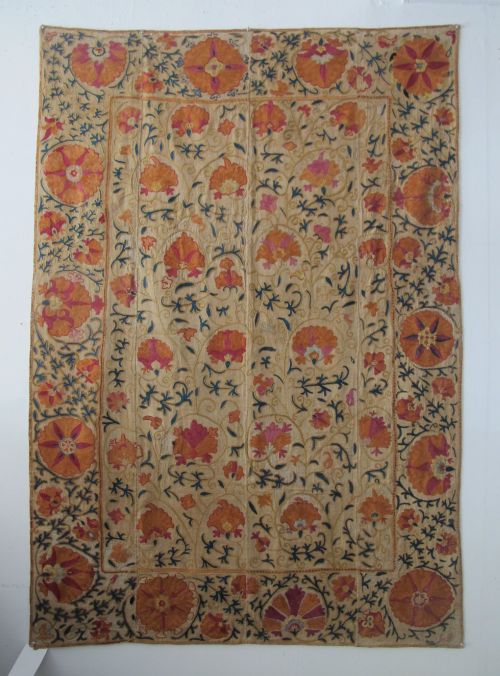
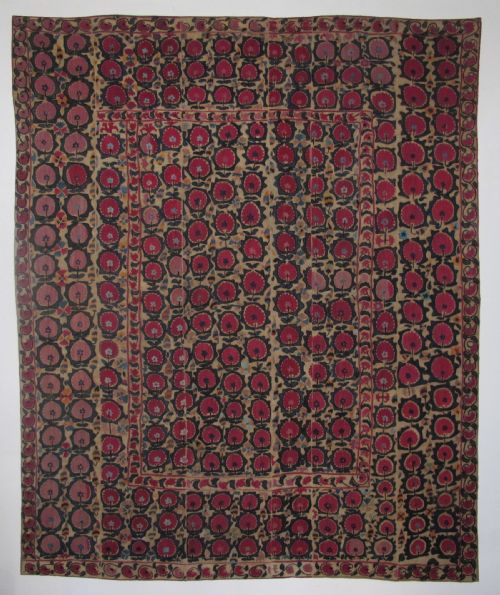
The most common examples on this page are suzani embroideries and ikat panels dating from the mid nineteenth century to the early twentieth century. Pieces from centres such as Bokhara, Shakrisabz, Nurata, and Ura Tube appear frequently in various dimensions and formats.
Formats range from large wall hangings and prayer suzanis to smaller items like purses, torba ilgich, and traditional red velvet dresses decorated with metal thread brocade work. Each type serves a specific decorative or functional purpose rooted in local heritage.
Assessing craftsmanship and execution
The density and precision of the needlework separate simpler examples from superior ones, particularly in regional suzanis where full work requires immense time and skill. Finer pieces demonstrate meticulous control over silk thread and complex architectural or floral repeat designs.
The vibrancy and retention of natural dye colours, along with the complexity of regional patterns such as those from Tashkent or Shakrisabz, heavily influence the visual impact of an individual textile.
Keep an eye out for double-sided silk ikat purses that let you change your pocket-sized textile display on a whim.
The Traditional Uzbekistan Textile Glossary
- Suzani
- An embroidered textile panel originating from Central Asia, traditionally worked in silk on a cotton or linen ground. These pieces often functioned as dowry items or wall decorations.
- Ikat
- A dyeing technique where yarn is resist-dyed prior to weaving, producing characteristic patterned textiles with softly feathered edges. Silk ikat panels and purses demonstrate this method.
- Torba Ilgich
- A specific form of hanging or bag used within nomadic and tribal contexts, often associated with the Lakai Uzbeks. These items display distinctive regional motifs and needlework.
- Nim Suzani
- A smaller half-sized version of a standard suzani embroidery. These compact panels offer versatile display options compared to larger wall hangings.
- Brocade
- A class of richly decorative shuttle-woven fabrics, often made with coloured silks and enriched with silver or metal threads. Uzbek garments frequently incorporate this technique.
Traditional Uzbekistan Textile: Frequently Asked Questions
How were traditional suzanis used?
Artisans created these textiles primarily as wall hangings, decorative covers, and ceremonial items within Central Asian homes. Families also prepared them as part of a bride's dowry.
Over time, these pieces transitioned into valued collector items used to bring texture and history into modern interiors.
What is the difference between a suzani and an ikat?
A suzani is a textile defined by hand embroidery applied to a base fabric, typically silk thread on a cotton ground. Artisans stitch intricate floral, architectural, or geometric motifs by hand.
An ikat relies on resist-dyeing the threads before weaving the fabric itself, creating fluid, blurred patterns woven directly into the textile structure.
How do I care for an antique textile?
Keep textile pieces away from direct sunlight to protect natural silk and cotton threads from fading over time. Professional framing behind UV-filtered glass or gentle mounting helps support fragile historical fabrics.
Avoid washing antique embroideries with water or standard cleaning agents, consulting a textile conservator instead if cleaning becomes necessary.
How do I identify regional styles?
Regional styles reveal themselves through specific colour palettes, ground fabrics, and characteristic motifs. For instance, Nurata pieces often feature distinct garden layouts, while Bokhara examples display bold floral medallions.
Examining the density of the embroidery and the choice of yellow or white cotton grounds provides further clues to origin.