
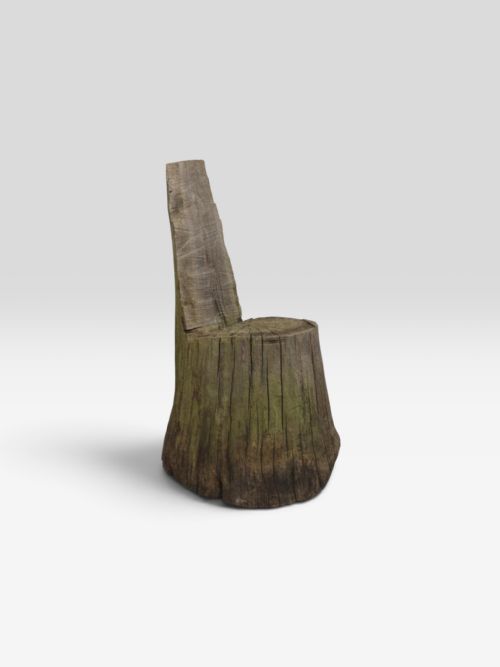
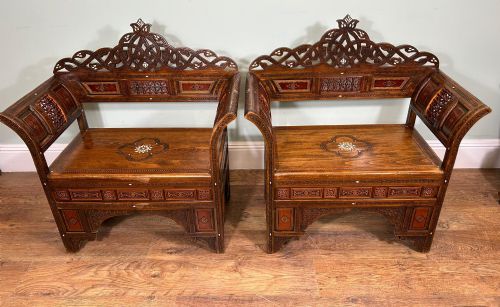
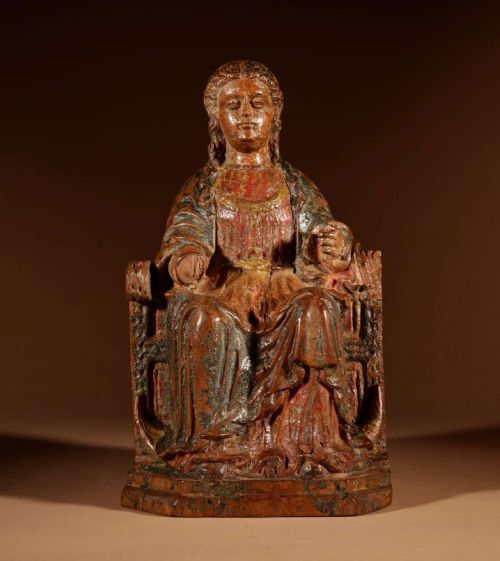
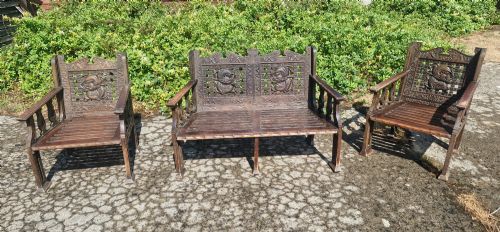

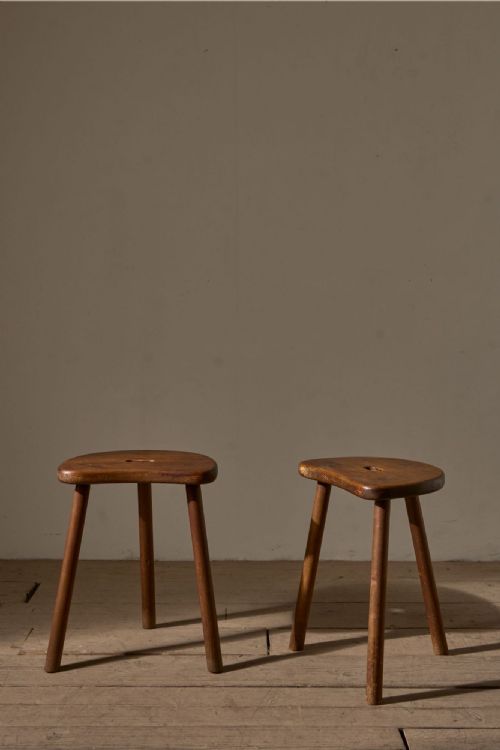


Hand Carved Wooden Seat
A hand carved wooden seat brings domestic or ritual craft into daily use, offering diverse regional forms shaped by local timber and tradition.
Hand Carved Wooden Seat
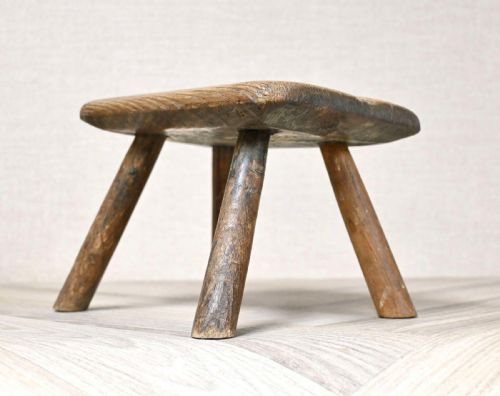
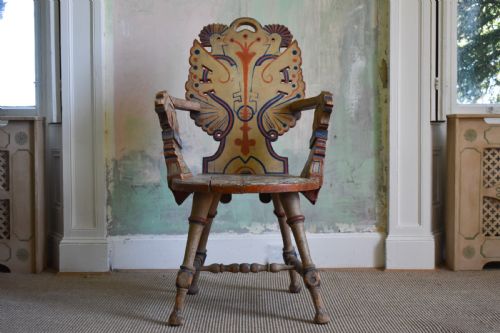
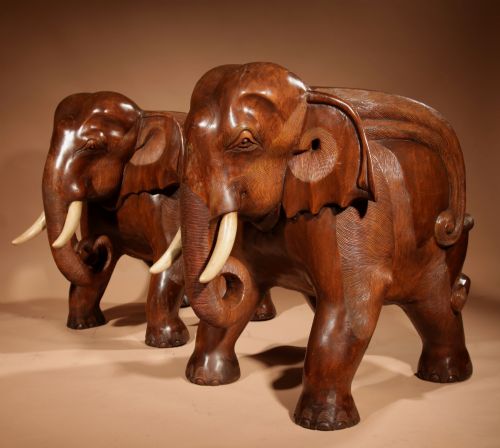
A hand carved wooden seat encompasses utilitarian stools, armchairs, benches, and sculptural seating forms spanning multiple centuries. These pieces originate from diverse traditions, including Anglo-Indian workshops, African tribal communities, Scandinavian folk art, and Chinese dynasties.
Buyers will encounter items ranging from simple vernacular pine stools and oak spinning chairs to elaborate teak armchairs and folding chairs. Regional styles reflect local materials, spanning periods from the eighteenth century through the Edwardian era and the nineteen-twenties.
The selection includes specific regional archetypes such as Venetian gondola chairs, Ashanti stools, and Moroccan painted armchairs. Each object demonstrates distinct functional roots, operating as domestic seating or decorative furniture.
Materials and Techniques
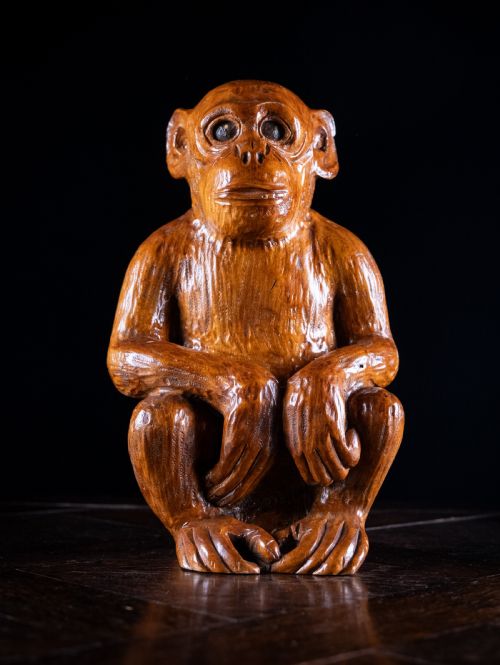
Makers utilised available hardwoods and softwoods, including teak, oak, walnut, limewood, elm, and pine, often shaped directly from timber, roots, or trunks. Construction combines solid wood joinery with intricate manual carving, creating sculpted animal forms, figures, and structural motifs.
Surface treatments vary widely according to origin, featuring natural polished wood, painted finishes, lacquer, gesso, and gold leaf. Some chairs incorporate added upholstery in fabric, while others rely entirely on the carved timber surface for texture and detail.
Listings feature items from the eighteenth, nineteenth, and early twentieth centuries, including Edwardian and Art Deco periods.
Judging Quality
Quality rests in the depth, precision, and animation of the manual carving across the timber surface. Well-executed pieces display crisp detailing in figurative or decorative elements without losing structural integrity.
The selection of timber dictates the presence and stability of the piece, with dense hardwoods providing enduring strength. Superior examples demonstrate a cohesive relationship between the natural grain of the wood and the sculptural design applied by the maker.
Hampton & Son's·Hans Müller
The Hand Carved Wooden Seat Glossary
- Vernacular
- Everyday objects made by local artisans following regional traditions rather than high-style academic designs. These pieces use readily available local timber and serve basic domestic functions.
- Folk Art
- Artistic work created within a traditional culture by self-taught or local craftsmen. It often employs stylistic motifs unique to a specific geographic region or community.
- Gesso
- A plaster-based mixture applied to wood surfaces as a base for paint or gold leaf decoration. This preparation creates a smooth surface for detailed ornamentation.
- Settle
- A wooden bench with high backs, solid arms, and often a storage box beneath the seat. Historically placed near hearths to block draughts in cooler rooms.
- Treen
- Small handmade wooden household objects and utensils. The term covers functional domestic items shaped by hand from various woods.
Hand Carved Wooden Seat: Frequently Asked Questions
What is a hand carved wooden seat?
A hand carved wooden seat is a chair, stool, or bench shaped and decorated manually by woodworkers using traditional tools. These items range from simple rustic furniture to ornate regional seating.
They reflect the cultural aesthetics and available timber of their specific period and geographic origin, combining utility with decorative sculpture.
How do I identify the period?
Dating relies on examining the timber species, joinery methods, and the specific decorative style characteristic of eras like the eighteenth century or the Edwardian period. Tool marks and wear patterns also indicate age.
Comparing regional motifs, such as specific folk art carvings or dynastic Chinese forms, helps narrow down the likely date of manufacture.
Where were these chairs used?
These seats served varied roles, from domestic seating in European country houses to study chairs, wedding seats, and ceremonial objects in Asian and African traditions. Some functioned as folding chairs for travel.
Others occupied specific domestic spaces like hearths, hallways, or conservatories, tailored to local social customs and architectural needs.
How should I care for wooden seating?
Maintain wooden seats by placing them away from direct heat sources and fluctuating humidity to prevent timber splitting. Regular dusting with a dry cloth protects the carved surface.
Avoid harsh chemical polishes, preferring natural waxes suited to antique wood finishes to preserve the original patina and decorative details.