
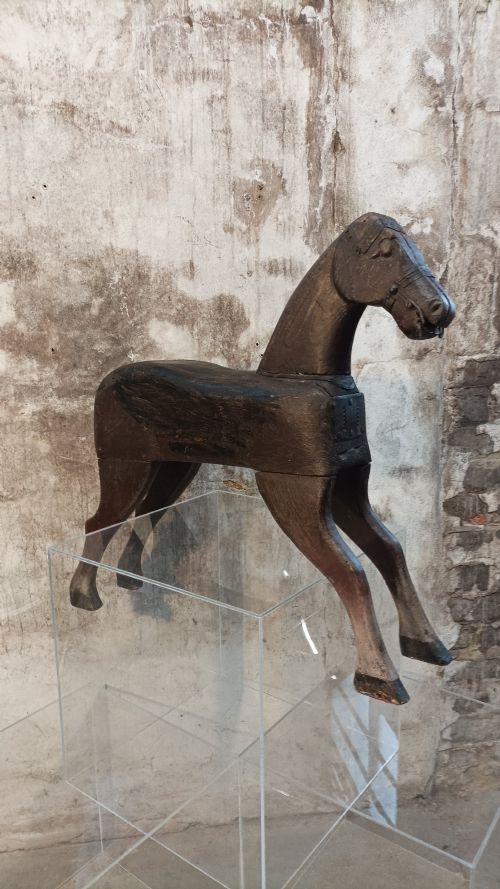
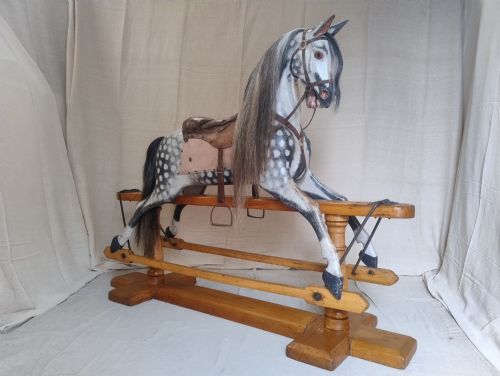


Hand Carved Wooden Horse
These hand carved wooden horse figures combine tactile folk art charm with rich nineteenth-century history, offering instant character to any room.
What they are
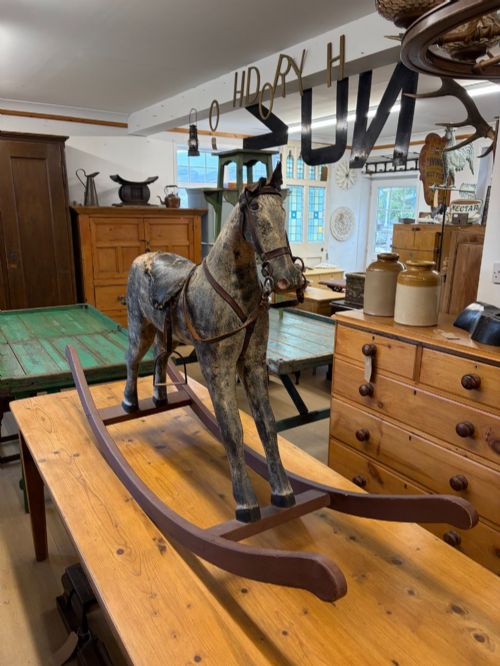
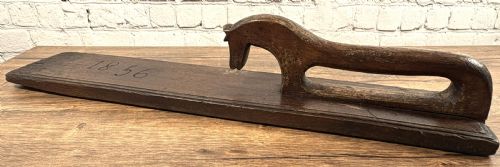
When you search for hand carved wooden horse, you encounter sculptural objects spanning the nineteenth and early twentieth centuries. These pieces originate primarily within folk art traditions, ranging from utilitarian children's toys to grander decorative sculptures.
Stylistic variations draw heavily from regional interpretations, encompassing French, Spanish, Victorian, and Anglo-Indian folk art traditions. Each object reflects the distinct hand of its maker, varying from primitive charm to refined decorative sculpture.
How they were made
Makers shaped these horses primarily from solid wood using traditional hand carving techniques. Artisans integrated auxiliary materials such as iron for structural support and leather for tack or harnesses.
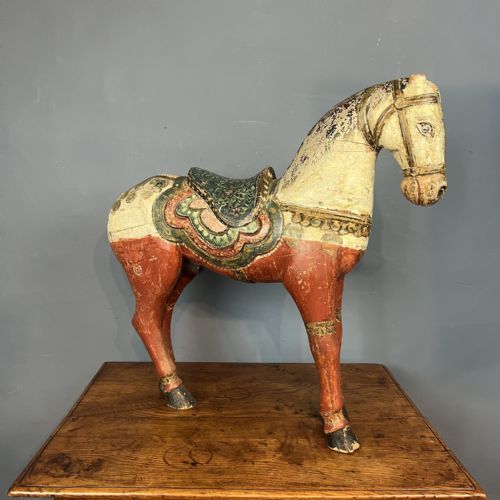
Surfaces frequently receive layers of polychrome paint, preserving original decoration or historic pigments. Selected figures also incorporate genuine horsehair elements to create realistic manes and tails.
Retail Price Guide 2026
Typical UK retail prices for hand carved wooden horse, calculated from the Sellingantiques database of over a million retail prices indexed since 2003. This retail price guide relies exclusively on Sellingantiques data; no external sources or auction records are used, so the figures do not describe the wider market.
Current listings feature materials including wood, paint, leather, iron, and horsehair across nineteenth and early twentieth century periods.
What varies in quality
Quality rests heavily on the integrity of the original surface and the retention of historic paint layers. Pieces preserving authentic polychrome finishes or untouched patinas stand considerably apart from later or stripped examples.
The sculptural execution dictates the upper tier of the range, where anatomical proportion meets expressive naive carving. Dynamic movement in carousel figures or well-balanced proportions in rocking horses distinguish superior craftsmanship.
The Hand Carved Wooden Horse Glossary
- Folk art
- Artistic work created within a traditional culture by self-taught makers, often displaying naive charm. These pieces prioritise functional or decorative utility over academic artistic rules.
- Polychrome paint
- The practice of decorating architectural elements or sculptures in a variety of colours. Historic painted surfaces contribute significantly to the visual identity and age of antique wooden figures.
- Carousel horse
- A carved wooden mount designed for fairground rides, typically featuring elaborate posture and dynamic movement. These figures often display skilled craftsmanship tailored for public entertainment.
- Rocking horse
- A toy horse mounted on rocking curves or safety swings, built for children to ride. Nineteenth-century examples often utilise heavy wooden construction combined with iron fixings.
Frequently Asked Questions
How do I date a wooden horse?
Dating relies on examining construction methods, tool marks, and the ageing of underlying wood substrates. Stylistic clues within regional folk art traditions also help narrow down the period.
Paint analysis provides further context, as original nineteenth-century pigments differ chemically from modern formulations. Hardware elements like hand-forged iron nails offer additional chronological markers.
Were these horses made as toys?
Many examples began as children's playthings, including sturdy rocking horses and smaller pull-along toys. Their robust wooden construction allowed them to withstand active daily use.
Other pieces served purely decorative functions or formed parts of commercial fairground amusements. The distinction often lies in scale, mounting hardware, and overall wear patterns.
How do I care for original paint?
Preserving historic surfaces requires stable indoor humidity levels away from direct sunlight and heat sources. Avoid chemical cleaners or modern polishes that can soften or strip aged pigments.
Gentle dusting with a dry, soft brush is generally sufficient for maintenance. Respecting the natural patina ensures the historical integrity remains intact for future years.
What defines primitive folk art?
Primitive folk art is characterised by a simplified, unacademic approach to form and perspective. Makers relied on direct observation and traditional local methods rather than formal artistic training.
This aesthetic results in honest, expressive interpretations of subjects like horses. Collectors value this unfiltered expression for its unique character and direct connection to the maker.