


Hand Carved Wood Tray
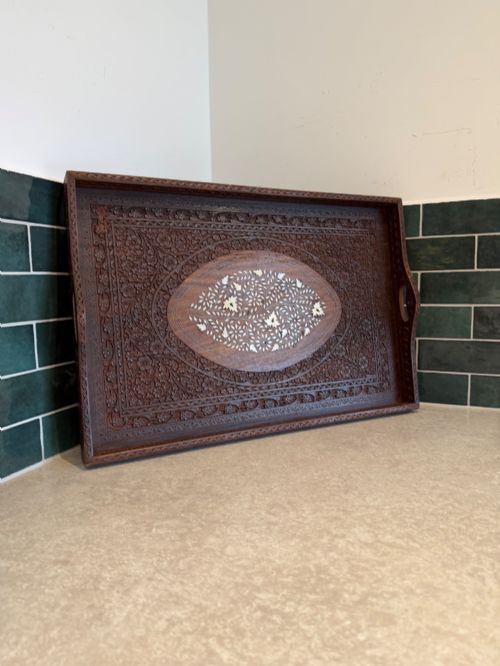
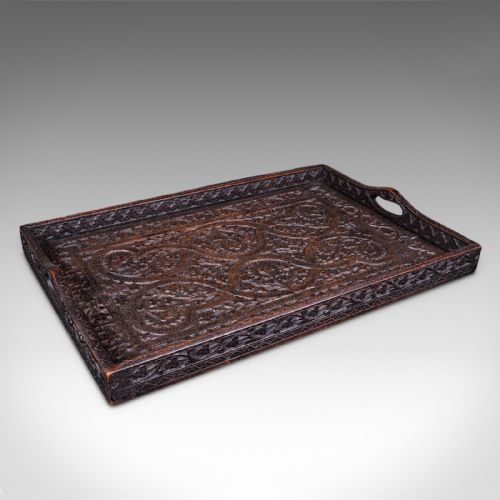
A hand carved wood tray brings rich texture and distinct global artistry into a room, serving daily practical needs while displaying remarkable craft.
Hand Carved Wood Tray
A hand carved wood tray encompasses serving trays, decorative platters, and occasional tables featuring intricate relief work across various historical periods. When you search for a hand carved wood tray, you encounter regional styles from Victorian Britain, Anglo-Indian workshops, Kashmir, and Black Forest artisans.
The most common forms on this page include serving platters and tray top tables fashioned from dense hardwoods. These items range from late Victorian afternoon tea trays to folding occasional tables with removable wooden or metal tops.
Originating from diverse international traditions, these objects reflect distinct cultural carving practices. Pieces span Indian folk art, Moorish revival, and Venetian influences alongside traditional British domestic items.
How they were made
Maker's workshops utilised dense regional timbers including teak, walnut, shisham wood, and general hardwoods suited to deep relief carving. Artisans shaped these materials using traditional hand chisels and gouges to create intricate surface patterns.
Many examples incorporate contrasting elements such as brass tops, copper details, and bone inlay work set directly into the wooden base. These mixed media pieces require precise joinery and fitting to secure metal inserts and decorative bone sections within the carved wooden framework.
One nineteenth century inkstand enlists carved Black Forest bears to hold your daily stationery.
What varies in quality
The depth and clarity of the carving separate standard items from superior pieces. Crisp undercut foliage, sharp facial details on figural work, and balanced symmetry indicate skilled hand execution.
Selection of timber and the preservation of the original surface finish dictate the overall character. Uniform grain in walnut or teak and secure inlay work maintain the integrity of the piece over decades of handling.
The Hand Carved Wood Tray Glossary
- Anglo-Indian
- A style describing decorative arts created in India during the British colonial period, often combining British furniture forms with traditional local carving techniques.
- Bone inlay
- A decorative technique where small pieces of bone are shaped and pressed into recesses carved in a wooden surface to form geometric or floral patterns.
- Black Forest
- A regional style of wood carving originating from the mountain forests of Germany, traditionally depicting realistic animals and foliage, particularly bears.
- Shisham wood
- A durable Indian hardwood commonly utilised for traditional furniture and decorative platters due to its rich grain and suitability for detailed carving.
- Kashmiri
- Pertaining to decorative woodwork and trays originating from Kashmir, typically featuring fine walnut carving and intricate floral or lattice motifs.
Hand Carved Wood Tray: Frequently Asked Questions
How do I clean a carved tray?
Dust the carved recesses regularly with a soft dry brush to prevent dirt accumulation. Avoid harsh chemical cleaners or soaking the wood in water.
Apply a light application of appropriate wood wax periodically to nourish the timber and maintain the natural lustre of the carving.
Can I use these for serving food?
Many historical trays functioned primarily as afternoon tea platters or decorative display pieces rather than modern tableware. Use a protective liner or plate if serving direct food items to protect the aged wood surface.
Ensure moisture is wiped away immediately to prevent water staining on antique finishes.
How do I date a wooden tray?
Examine the timber species, tool marks left by the artisan, and the overall style of the decorative motifs. Victorian and nineteenth century pieces often exhibit hand tool signatures and specific regional patterns.
Compare the construction methods and hardware, such as brass fittings or joinery, with documented examples from the same period.
Are tray top tables stable?
Tray top tables rely on folding stands or fitted bases designed to support the removable top securely during use. Check that the resting rim and the supporting base align properly without excessive wobble.
Placement on level flooring ensures the stability of both the frame and the decorative tray resting upon it.