

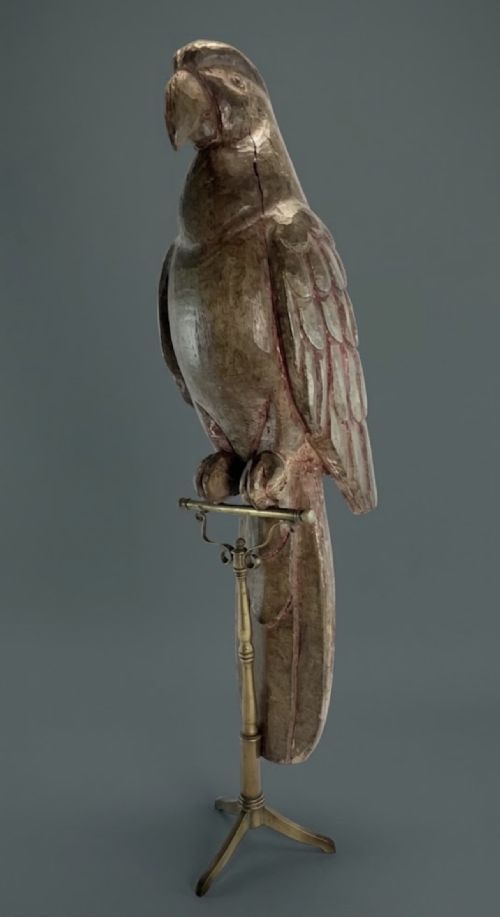
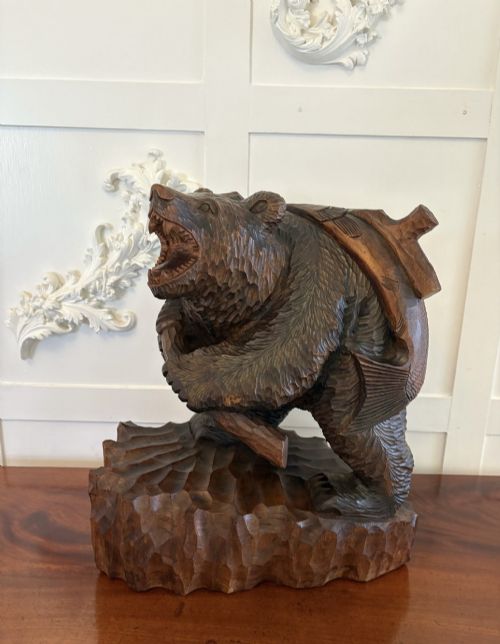
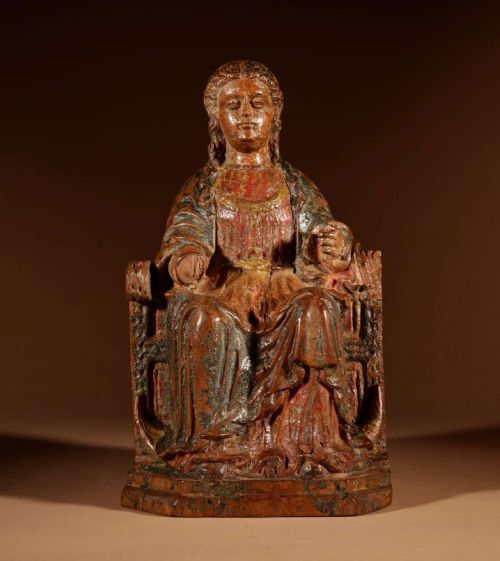
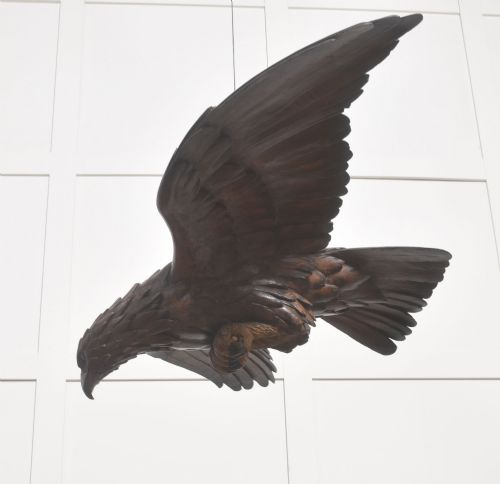
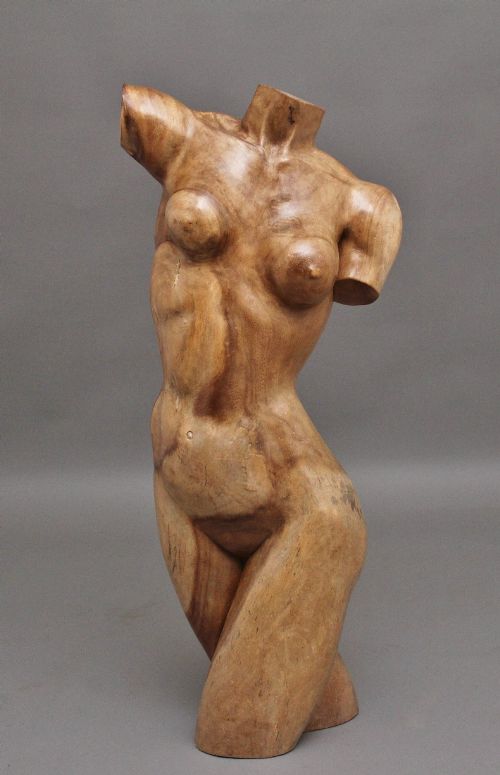
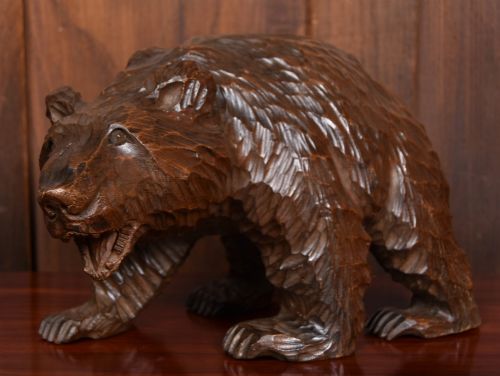
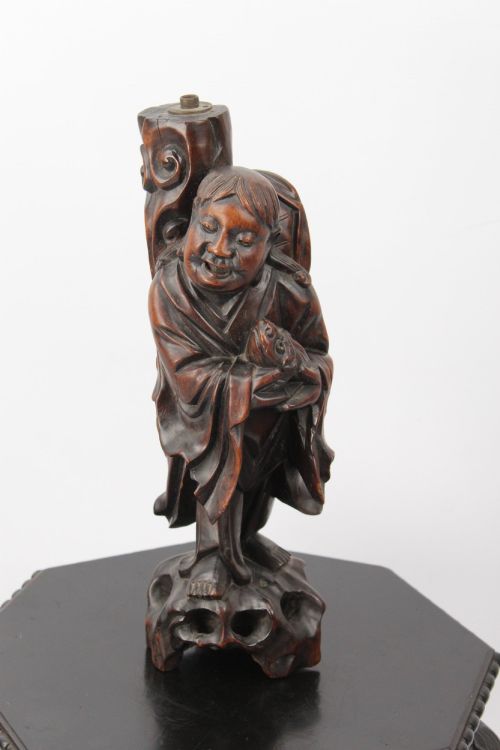


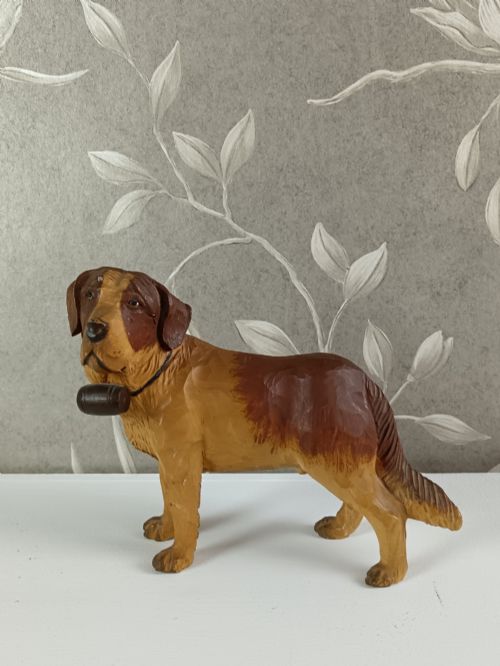
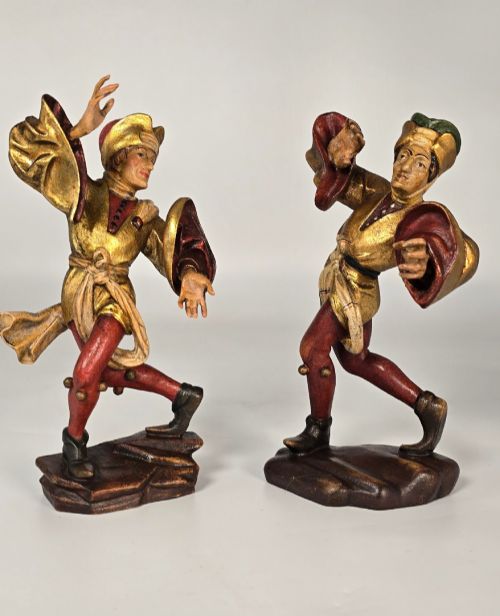
Hand Carved Wood Statue
A hand carved wood statue brings warmth and character to a room, showing the direct touch of the maker in every grain and chisel mark.
Hand Carved Wood Statue
A hand carved wood statue encompasses a wide range of figurative sculptures, animal studies, and devotional figures spanning several centuries. Buyers searching this phrase meet everything from European animalier studies to folk art and devotional saints.
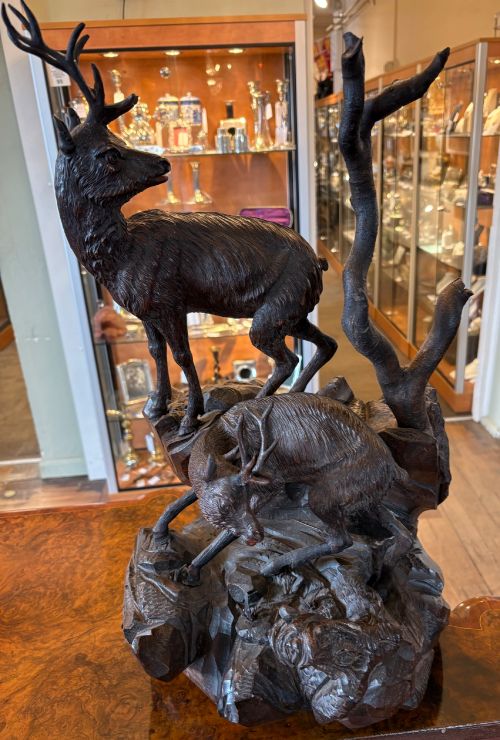
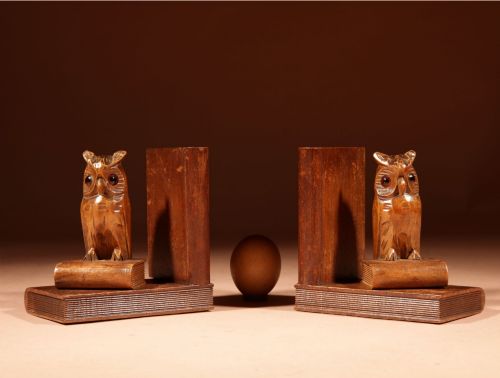
The pieces appearing most frequently originate from the nineteenth and early twentieth centuries, particularly Black Forest animal carvings, Asian figures, and European folk art. Forms vary from small tabletop bookends to life-size figures and architectural fragments.
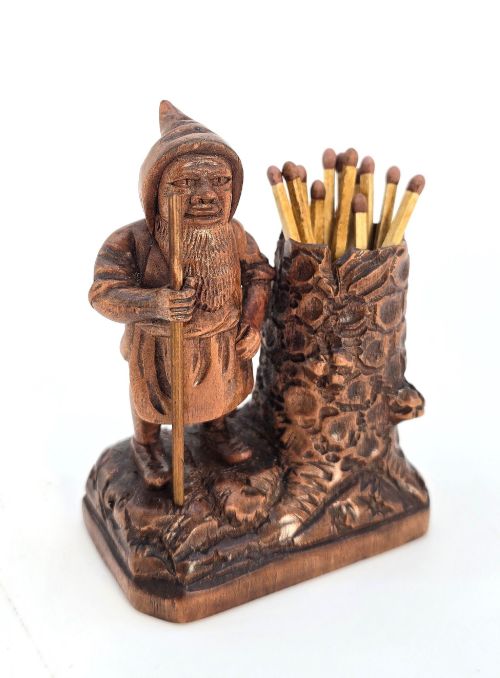
Geographic origins stretch from European workshops to Chinese, Indian, and Balinese carvers, utilising indigenous timbers suited to each region. Each object reflects the decorative tastes, religious traditions, or vernacular art of its place of origin.
How they were made
Carvers shaped these pieces using hand tools such as gouges, chisels, and knives applied directly to blocks of timber. Common materials include limewood, walnut, fruitwood, oak, and dense tropical hardwoods selected for grain and workability.
Surface treatments range from clear wax finishes that highlight natural wood grains to gesso grounds, polychrome paint, and lacquer. Detail work often incorporates applied elements like brass stands, glass eyes, or silver inlay.
Listings span from the seventeenth century through to the mid-twentieth century, featuring oak, limewood, walnut, and painted fruitwood.
What varies in quality
Anatomy, proportion, and the confidence of the tool work dictate the distinction between standard production pieces and master carvers' outputs. Superior examples display precise rendering of muscle, drapery, or expression without hesitation in the cut.
The retention of original surface treatments, whether untouched patinated wax or authentic early polychrome paint, preserves the integrity of the carving. Lesser examples often suffer from unsympathetic modern cleaning, over-painting, or replacement parts.
The Hand Carved Wood Statue Glossary
- Black Forest
- A style of wood carving originating from the Brienz region of Switzerland, famous for realistic depictions of bears, deer, and alpine fauna. These pieces often incorporate practical elements like match strikers or bookends.
- Limewood
- A pale, fine-grained timber favoured by European carvers for its uniform texture and lack of pronounced grain, allowing intricate undercut details. It was widely used for religious figures and detailed animal studies.
- Polychrome
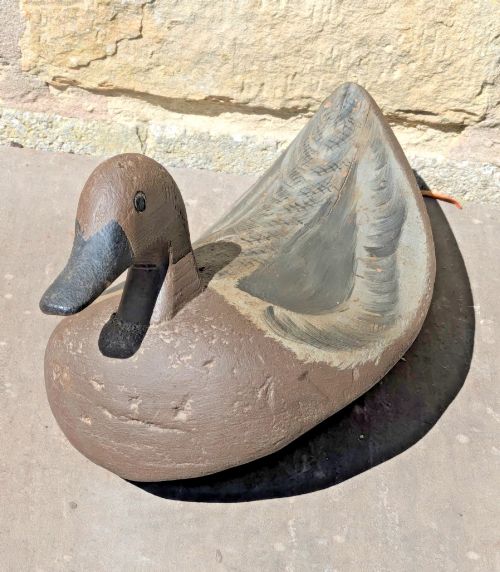
- Decoration consisting of several colours applied to the surface of wood sculpture. This technique appears frequently on folk art figures and religious statues.
- Gesso
- A plaster-like mixture applied to wood surfaces to provide a smooth base for gilding or painting. It helps bind subsequent layers of colour to the carved timber.
- Folk art
- Objects created by self-taught or vernacular makers outside mainstream academic traditions. These carvings prioritise expressive power and utility over formal classical proportions.
Hand Carved Wood Statue: Frequently Asked Questions
How do I identify Black Forest carvings?
Black Forest carvings typically depict animals, most notably bears, rendered with lifelike textures in limewood or walnut. They often double as functional objects such as umbrella stands, inkwells, or pipe holders.
The regional style emerged from Swiss and German workshops during the nineteenth century, driven by the tourism trade and local forestry traditions.
Are these statues solid wood?
Most pieces are carved from a single block of timber or constructed from well-seasoned joined sections of hardwood. Dense woods like oak, walnut, and various tropical hardwoods provide structural stability.
Larger figures occasionally utilise hollowed backs or joined construction to prevent splitting as the timber ages.
How should I clean a wooden statue?
Maintenance requires only a soft, dry cloth to remove dust from recesses and carved details. Avoid water, damp cloths, and modern commercial polishes which can strip historic wax patinas.
Placing pieces away from direct sunlight and heat sources prevents the timber from drying out and cracking over time.
How do I date an antique wood carving?
Dating relies on tool marks, timber choice, style, and the natural ageing of the surface patina. Hand tools leave distinct undulating facets that differ significantly from modern machine routing.
Wear patterns on the base and the condition of the underlying wood help confirm the chronological period of origin.