



Hand Carved Wall Frames
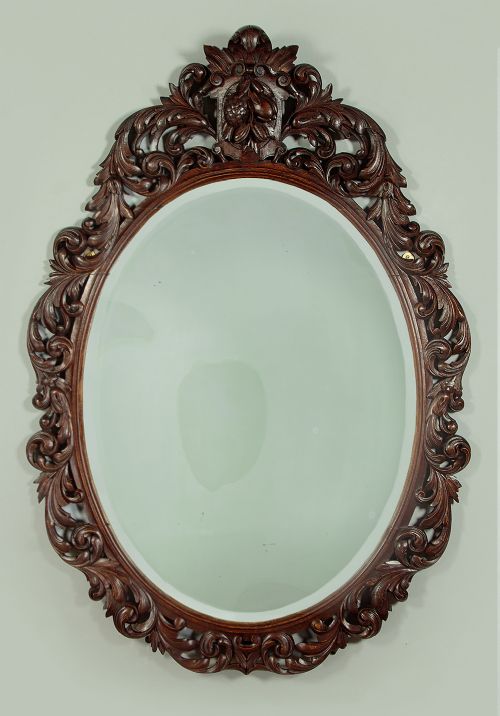
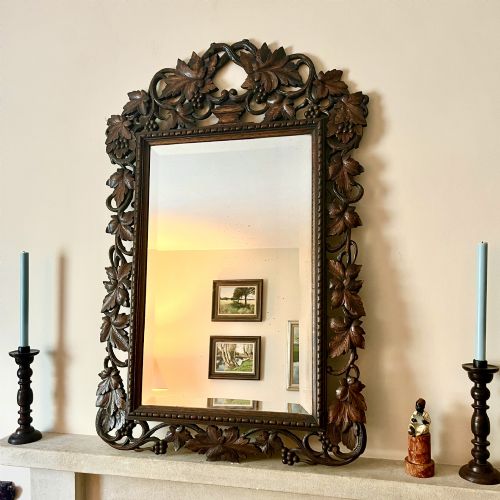
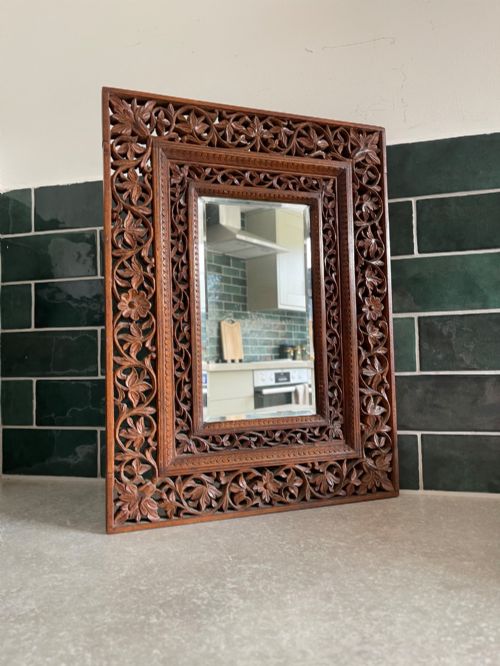
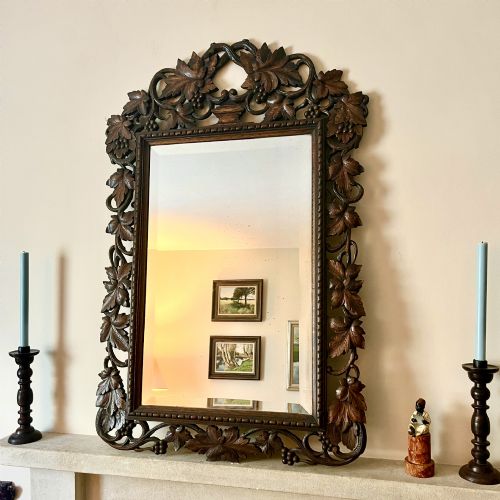
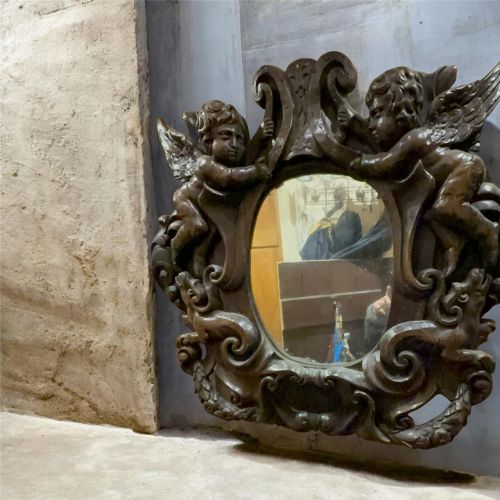
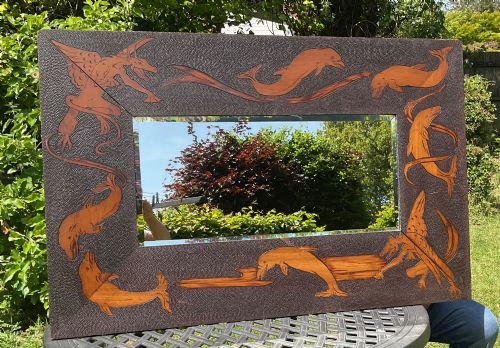
Hand carved wall frames bring texture to a room, ranging from robust Victorian oak to intricate Black Forest carvings.
Hand Carved Wall Frames
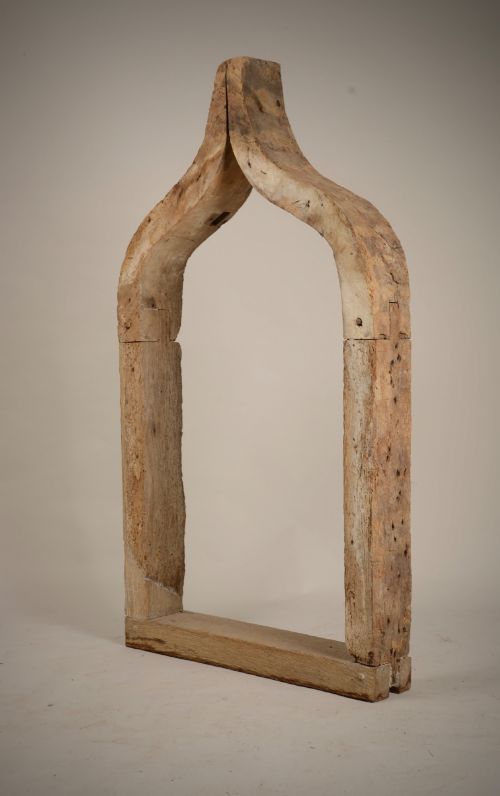
Hand carved wall frames encompass mirrors, architectural salvage, decorative plaques, framed tapestries, barometers, and wall panels shaped by hand from timber and other materials. When you search for hand carved wall frames, you encounter pieces designed to hold glass, paintings, or textiles, or to serve as decorative wall art in their own right.
The pieces listed here span the nineteenth and early twentieth centuries, with a strong representation of Victorian items, Black Forest work, and Indian craftsmanship. You are most likely to meet oak and giltwood mirrors alongside deep relief panels and folk art frames from this period.
How they were made
Carpenters and carvers shaped these pieces using solid woods such as oak, teak, limewood, and walnut, often applying gold leaf, paint, or giltwood to the finished surface. Black Forest pieces demonstrate deep biological carving in timber, while Italian and French workshops utilised intricate gesso and gilding techniques over carved wooden bases.
Makers incorporated specialised inserts including painted porcelain plaques, reverse painted glass, mother of pearl inlay, and Welsh slate. Frames were constructed using traditional joinery appropriate to the period, housing mirrors, tapestries, and religious icons securely within the carved perimeters.
Listings feature woods ranging from common oak to exotic teak and walnut, alongside materials like Welsh slate, mother of pearl, and porcelain.
What varies in quality
Quality rests in the depth, crispness, and confidence of the hand carving rather than the mere presence of decoration. Superior examples show purposeful undercutting and clean tool marks where the carver defined foliage, figures, or architectural motifs without hesitation.
Materials and finish also dictate the tier of the piece. Intact original gilding, well-preserved painted surfaces, and harmonious proportions elevate a frame above coarser vernacular output.
The Hand Carved Wall Frames Glossary
- Black Forest
- A style of wood carving originating from the mountains of Central Europe, characterised by realistic depictions of animals and foliage in deep relief. These pieces are typically carved from lime or walnut.
- Giltwood
- Timber that has been coated with a thin layer of gold leaf or gold paint. It appears frequently on decorative Italian and French mirrors from the nineteenth century.
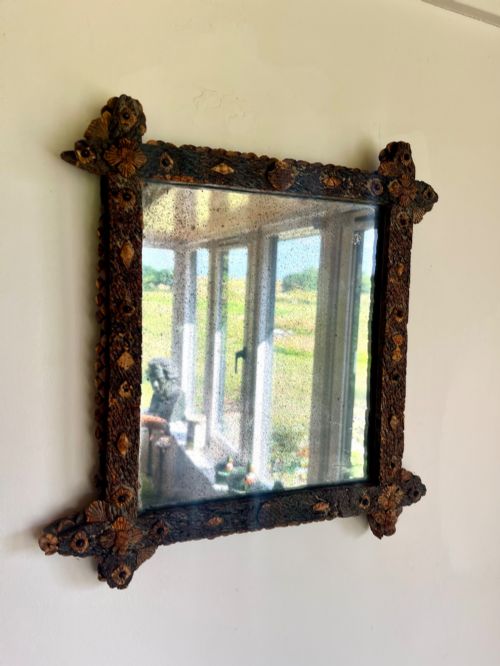
- Tramp art
- A form of folk art where items are constructed from salvaged wood, often cigar boxes, using notch-carving techniques with pocket knives. Such pieces display distinctive layered geometric patterns.
- Pier glass
- A tall mirror designed to hang on the wall between windows, frequently paired with a console table beneath. They are prominent among nineteenth-century Italian decorative items.
- Crystoleum
- A method of applying a hand-coloured print to glass and rendering it transparent so it could be painted from behind. Popular in the Victorian and Edwardian eras, these works were often mounted in elaborate frames.
Hand Carved Wall Frames: Frequently Asked Questions
How do I hang a heavy carved wooden frame?
Heavy frames require secure wall fixings distributed evenly across the structure. Utilise appropriate wall plugs and screws matched to the weight of the timber and glass.
Ensure the hanging wire or integrated brackets on the reverse are robust enough to support the piece without straining the antique joints.
Are these frames suitable for modern bathrooms?
Victorian and nineteenth-century frames constructed from untreated oak or porous woods can suffer from moisture and humidity. Steam from showers may damage fragile giltwood and old paint.
Position these pieces in dry living spaces or hallways where temperature and humidity remain stable.
How should I clean carved wooden frames?
Dust accumulated in deep crevices can be removed gently using a soft-bristled artist paintbrush or a dry microfibre cloth. Avoid pressing hard against delicate projecting elements or flaking paint.
Refrain from using liquid cleaners, polishes, or damp cloths, as moisture strips historic finishes and damages unsealed wood.
How can I tell a Victorian frame from an earlier one?
Victorian pieces often display machine-assisted elements alongside hand work, utilising standardised hardware and denser arrangements of popular revival styles. Earlier items from the seventeenth or eighteenth centuries typically show hand-cut joinery and idiosyncratic tool marks.
Examine the backboards, fixings, and timber patination to understand the working methods of the period in which it was made.