
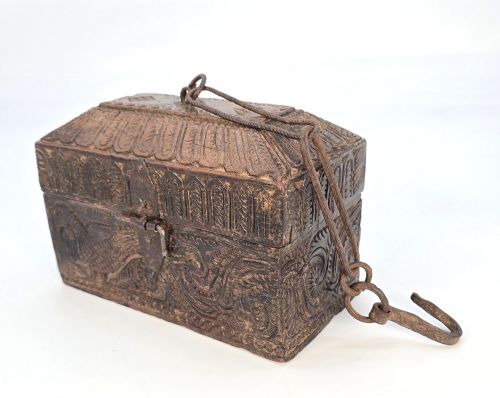


Hand Carved Trinket Box
A hand carved trinket box holds small treasures and brings tactile warmth to a room through carved detail.
Hand Carved Trinket Box
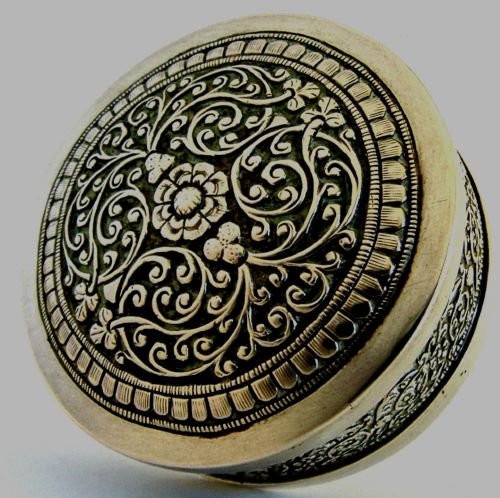
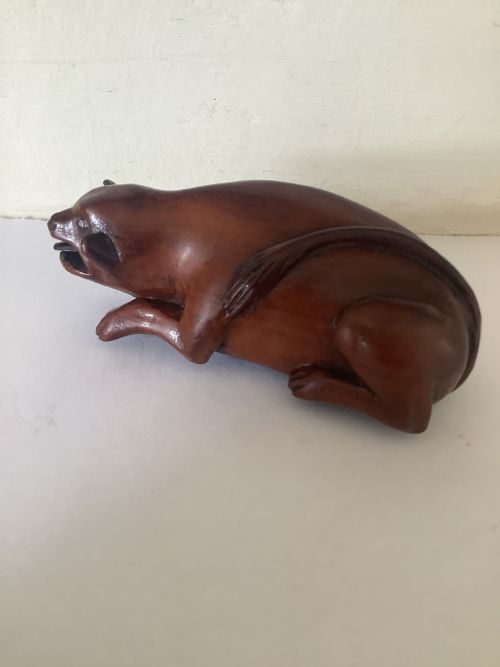
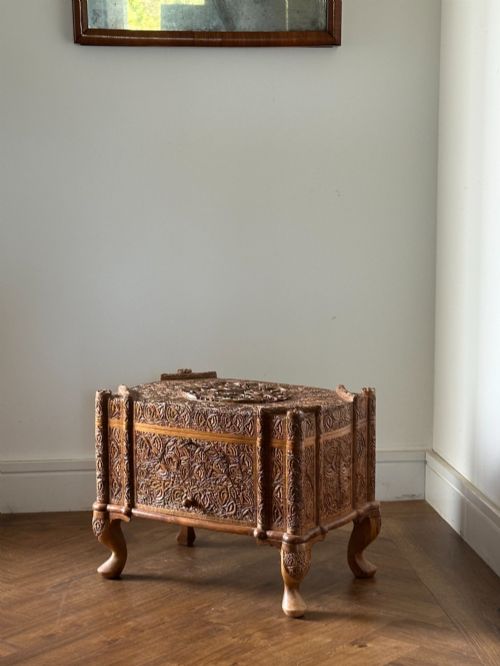
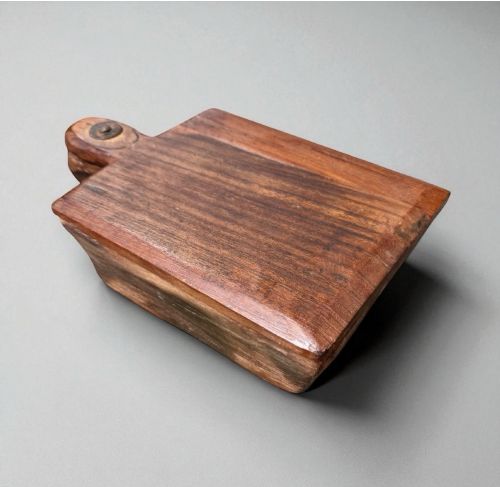
A hand carved trinket box serves to store small valuables, keepsakes, and personal items while displaying traditional woodworking and metalcraft. When exploring a hand carved trinket box, buyers encounter forms ranging from small pocket snuff boxes to large jewellery caskets.
The selections span various global origins, including Indian sandalwood pieces, European Black Forest walnut caskets, and British campaign containers. These items emerge from periods such as the eighteenth, nineteenth, and early twentieth centuries, reflecting diverse cultural motifs.
Domestic folk art examples appear alongside intricate Anglo-Indian and colonial imports, offering varied storage capacities for desks and dressing tables. Each container demonstrates the specific carving traditions and utilitarian functions of its original region and era.
What varies in quality
The depth, sharpness, and precision of the chisel work distinguish superior examples from simpler utilitarian containers, with finer pieces showing crisp undercut foliage and balanced symmetry. The choice of material dictates the finish, where aromatic sandalwood and figured walnut yield a richer tactile depth than plain utility timber.
Structural integrity and the preservation of original hinges, liners, and lids separate well-kept specimens from heavily restored or altered boxes. A deep, natural patina developed through decades of handling adds considerable character to superior wooden surfaces.
The inventory includes nineteenth-century pieces alongside eighteenth-century teak spice boxes and Edwardian items.
The Hand Carved Trinket Box Glossary
- Sarcophagus
- A box shape featuring a domed or sloping lid resting on a wider base, reminiscent of classical monumental tombs. This form appears frequently in nineteenth-century jewellery caskets.
- Black Forest
- A style of wood carving originating from the mountain region of Central Europe, characterised by realistic depictions of local fauna and flora. These walnut and softwood boxes often display deep relief foliage.
- Anglo-Indian
- Describing items made in India by local craftsmen for British colonial patrons, typically combining traditional Eastern motifs with European furniture forms. These pieces often utilise fragrant sandalwood or dense hardwoods.
- Pandan
- A traditional Asian container used for holding betel leaf, spices, or small valuables, usually featuring multi-compartment interior layouts. They are frequently fashioned from silver or carved metals.
- Tramp art
- A form of folk woodwork created by self-taught makers using notched, chip-carved fragments from discarded wooden cigar boxes and crates. The resulting surfaces exhibit dense, layered geometric patterns.
- Patina
- The lustrous surface sheen developed on wood and metal over years of handling, polishing, and exposure to light. A rich patina indicates age and regular use.
Hand Carved Trinket Box: Frequently Asked Questions
How do I clean a wooden box?
Dust the exterior gently with a soft, dry brush to remove particles from deep carved recesses.
Avoid using water or modern chemical polishes, applying only a micro-layer of neutral beeswax if the timber appears dry.
Were these boxes used for jewellery?
Many larger examples served specifically as jewellery caskets, lined with velvet or silk to protect rings and necklaces.
Smaller formats were intended for pocket items like snuff, stamps, or spice powders.
How can I tell the age?
Examine the construction methods, tool marks on the interior, and the wear patterns around hinges and feet.
Material choices, such as eighteenth-century teak or Edwardian sandalwood, also help narrow down the period of origin.
Where should I place it?
Position your container on a stable dressing table, hallway console, or desk away from direct sunlight and heat sources.
Keeping the environment stable prevents the timber from warping or splitting over time.